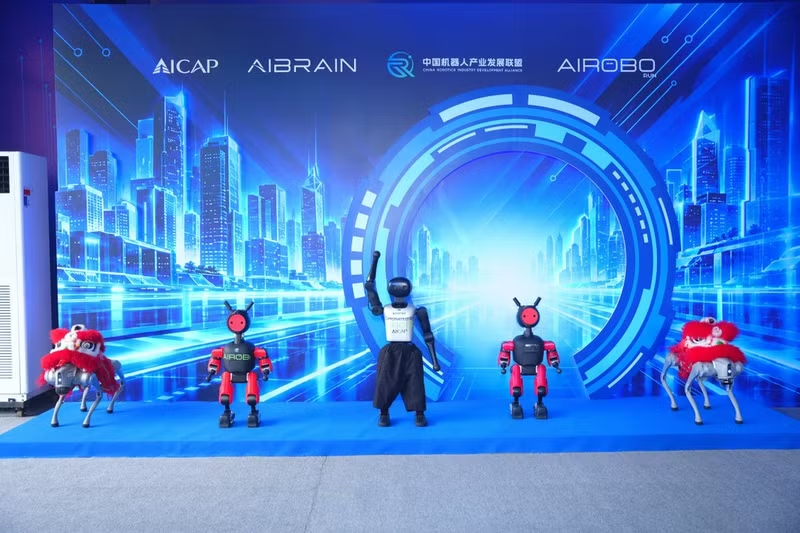
According to the World Bank’s 2024 East Asia and Pacific Economic Update: Jobs and Technology report, the number of industrial robots per 1,000 manufacturing workers in Malaysia, Thailand, and Viet Nam increased between 2000 and 2022. Robots are no longer concentrated solely in the automotive industry but have expanded into electronics, electrical equipment, metals, rubber, and plastics.
Assessing returns on robot investment
This trend is unfolding as automation becomes an integral part of the restructuring of production. According to the International Federation of Robotics (IFR), 542,000 new industrial robots were installed worldwide in 2024, more than double the number recorded a decade earlier. Asia alone accounted for 74% of all new installations.
Under pressure from the wave of robotisation and the resulting competition to improve productivity, as well as production-cost pressures from partners across supply chains, businesses may experience a fear of missing out (FOMO) when deciding whether to invest in robotics projects.
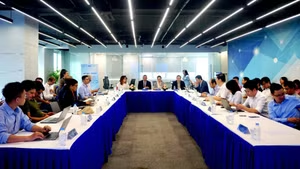
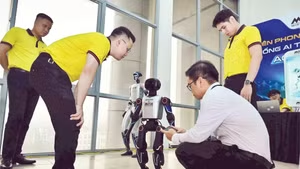
Speaking at the 2026 Ho Chi Minh City Green Growth Products & Services Exhibition (GRECO 2026), held recently as part of the 2026 Autumn Economic Forum, Vuong Quan Truong, Deputy General Director in charge of technology at AICAP, a pioneer in investing in the development of a commercial and operational platform for robots in Viet Nam, said one of the most common mistakes businesses make is to only compare equipment prices when assessing an investment option.
In practice, the total cost may include the robot itself, grippers, sensors, safety systems, control software, integration with existing production lines, installation, training, and maintenance.
For systems that need to connect multiple devices or factory management software, integration costs can account for a significant share of the overall investment. Even when two robots have comparable purchase prices, their total costs of ownership may still differ.
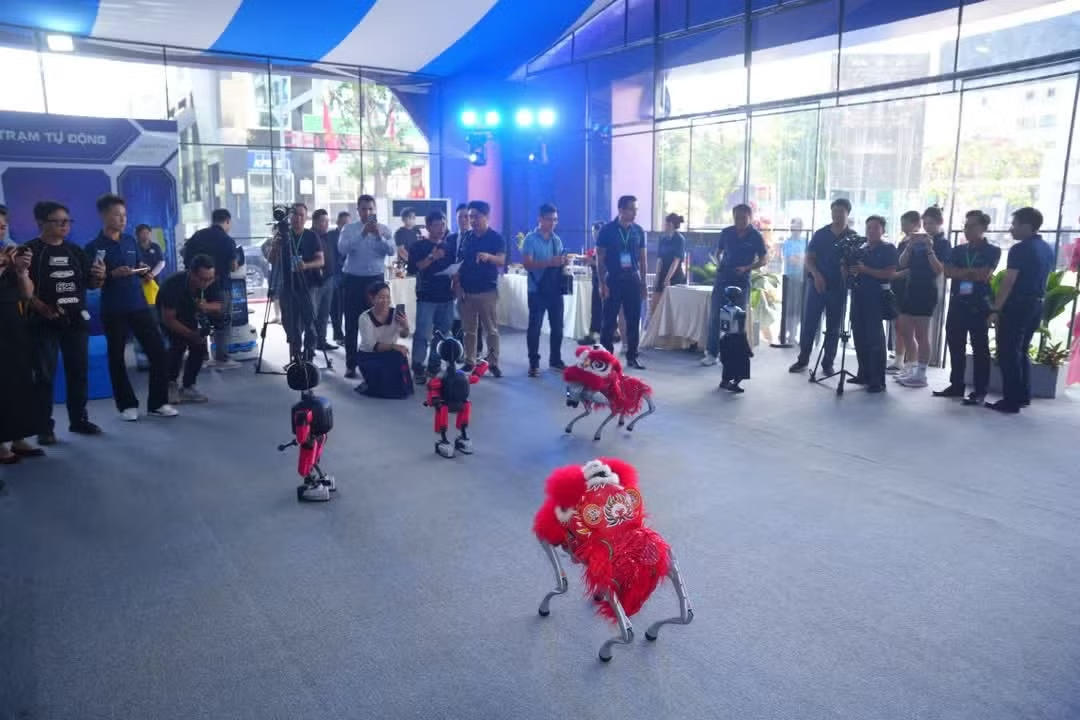
Investment performance should be measured against specific operational indicators, including cost per product, productivity, defect rates, machine uptime, and the payback period. At the same time, businesses need to assess how ready their factories are for automation, taking into account everything from the stability of production processes to technical infrastructure and the capabilities of personnel responsible for operating and maintaining the equipment.
“Robots are not a suitable solution for every stage of production. A business’s ultimate goal should not be to own a certain number of robots but to turn its investment in technology into measurable gains in productivity and quality, as well as a competitive advantage,” Truong said.
The importance of human resources
Sharing this view, Assoc. Prof. Dr. Nguyen Quoc Chi, Vice Dean of the Faculty of Mechanical Engineering and a senior lecturer at the University of Technology under Viet Nam National University, Ho Chi Minh City, said that robots do not create value on their own unless they are deployed in specific application environments. To unlock their full potential, robots need to be integrated into platforms and operational systems.
Most Vietnamese businesses are small and medium-sized enterprises (SMEs), for which system integration remains a notable challenge. These businesses often use machinery and equipment supplied by different manufacturers. Ensuring that such equipment can connect and work together as part of a unified system is therefore no simple task.
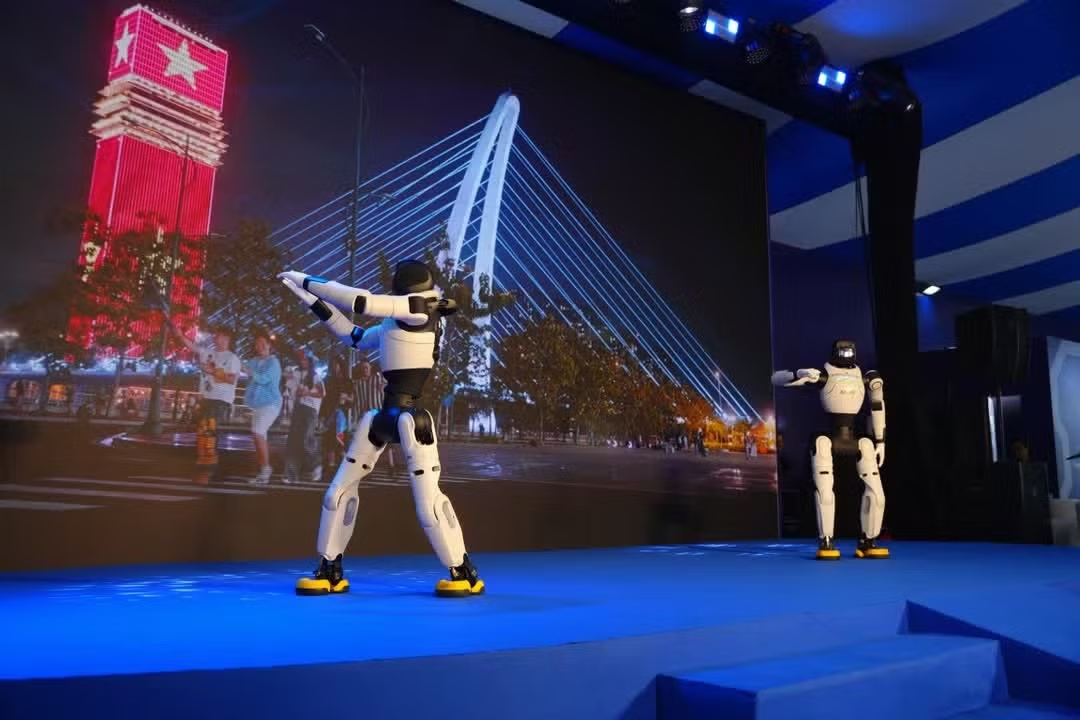
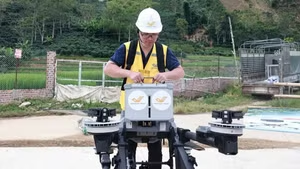
To ensure that investment in and the application of robots deliver effective results, experts said businesses also need to pay attention to the availability of spare parts, repair turnaround times, and access to on-site technical support.
Robots are expected to operate continuously, potentially for 24 hours a day, placing very high demands on reliability and the time required to resolve technical problems. Technical service teams must therefore do more than provide operating instructions; they also need to take responsibility for after-sales services, maintenance, and repairs.
Robot infrastructure is one issue, however, the workforce needed to operate it is another major concern for businesses. Developing local human resources also presents a challenge for the robotics industry, as it requires personnel capable of working in real-world production environments. This is fundamentally different from simply understanding the principles behind robots or programming a model in a laboratory.
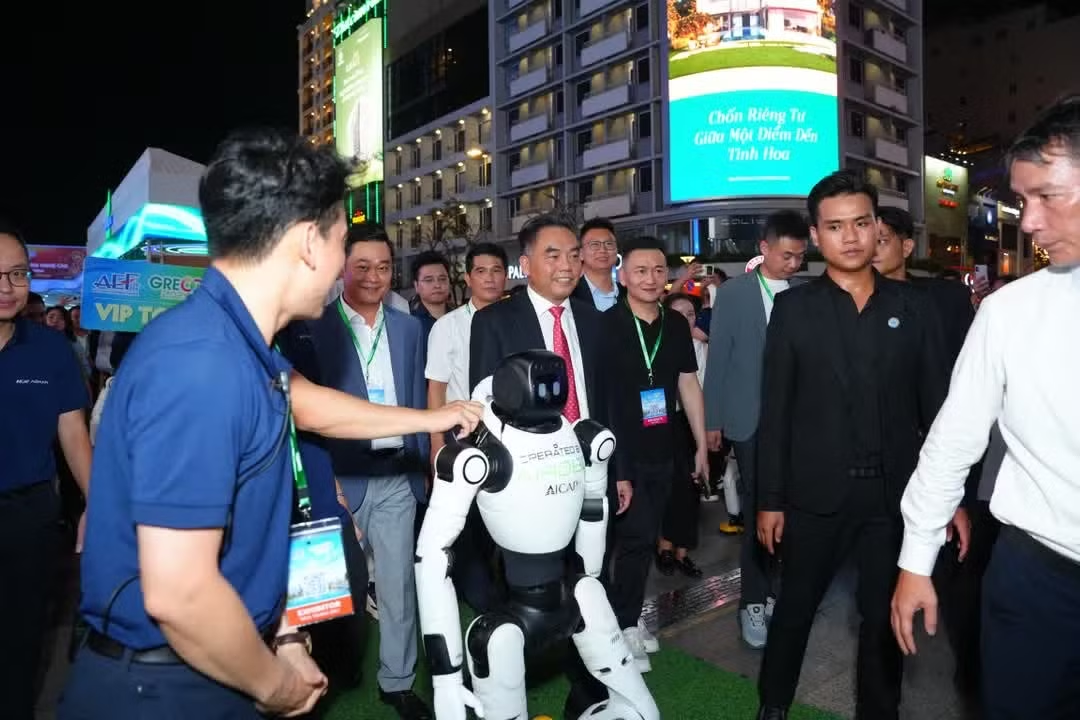
In terms of operational capabilities and data management, businesses need teams with the expertise to manage data, train robots, and ensure safety throughout their operation. At the same time, robot integration must deliver clear and demonstrable returns on investment.
The World Bank’s report Viet Nam 2045: Trading Up in a Changing World emphasises the need to strengthen links between foreign direct investment (FDI) enterprises and domestic businesses in order to improve connectivity, develop local suppliers, upgrade technical skills, and narrow the technology gap.
However, attracting international manufacturers does not mean that technology will automatically spill over to Vietnamese businesses. According to the report, connecting domestic suppliers with multinational enterprises is only a necessary condition; their ability to participate more deeply in value chains also depends on their capacity to absorb technology and meet requirements for quality, cost, and delivery schedules.
A recently signed cooperation initiative involving the China Robotics Industry Alliance (CDRA) and Ho Chi Minh City University of Technology also represents an approach to bringing together technological resources, capital, and supply chains to promote research, solution integration, application testing, and international cooperation.
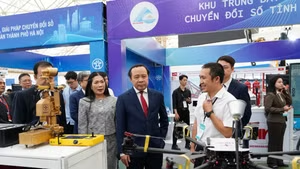
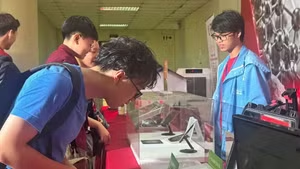
Emphasising the importance of connecting resources, developing technology and promoting its application at GRECO 2026, Nguyen Loc Ha, Standing Vice Chairman of the Ho Chi Minh City People’s Committee, said GRECO 2026 was not merely a venue for displaying products but also a bridge enabling businesses to access advanced technologies, innovate their production methods, and expand green consumer markets. The city identifies industrial transformation in conjunction with green and digital transformation as a key task in restructuring its economy towards a smarter, lower-carbon, and more sustainable development model.