Against the backdrop of ongoing complex developments in the Middle East, which are affecting the global energy supply chain, the Government and the Ministry of Industry and Trade have stepped up their direction to ensure national energy security.
In implementation of Directive No. 06/CT-BCT dated March 9, 2026 issued by the Ministry of Industry and Trade, the Domestic Market Management and Development Department has worked with local authorities to roll out a range of synchronised measures in managing the petroleum market, from forecasting supply and demand and regulating supply sources to intensifying inspections and supervision of trading activities.
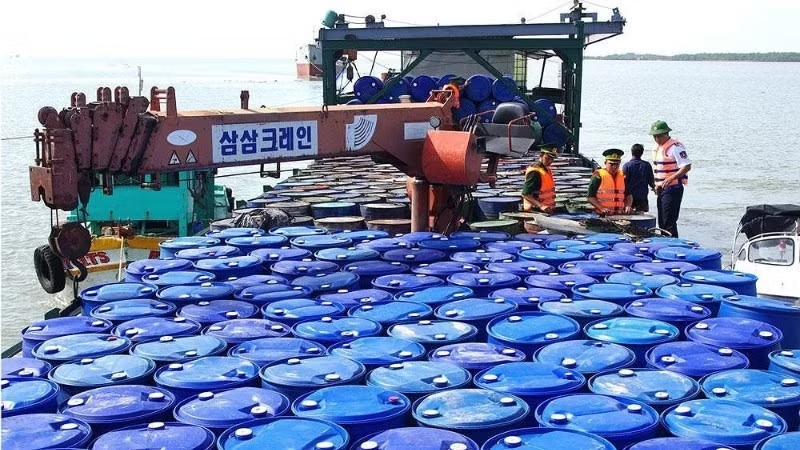
However, in recent times, there have been signs of individuals and small traders in border-gate areas, particularly in Lao Bao (Quang Tri Province), collecting fuel from retail outlets.
They have modified their vehicles by installing additional tanks to transport fuel across the border for resale in neighbouring countries in order to profit from price differences. If not promptly controlled, such activities could lead to domestic supply losses and pose serious fire and explosion risks.
In response, the Domestic Market Management and Development Department has issued an urgent dispatch to Departments of Industry and Trade in localities, especially those in border areas, calling for enhanced management, inspection, and strict handling of violations.
Relevant authorities have also been instructed to closely coordinate with the police, customs forces, and border guards to monitor activities at petrol stations as well as along transport routes, and to promptly detect and strictly deal with acts of hoarding or bulk sales to individuals suspected of stockpiling or smuggling fuel.
At the same time, localities are required to launch hotlines to receive public reports on illegal fuel stockpiling sites, while encouraging businesses to commit to not facilitating smuggling or trade fraud.
The decisive and coordinated implementation of these measures is expected to tighten control over the fuel market in border areas, ensure domestic supply, and maintain market stability amid ongoing volatility.