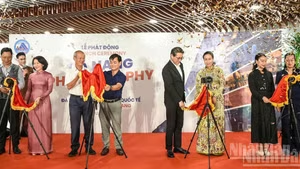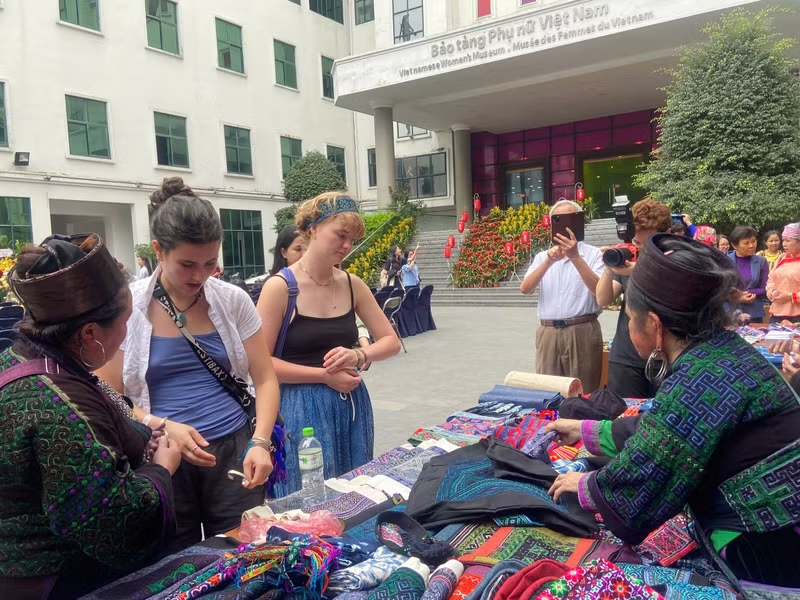
The exhibition is the result of the research project entitled “Narrating the ecotourism journey of heroic Vietnamese Women adapting to climate change”, which was conducted by the Institute of Natural Resources and Environment, the University of Hull, Loughborough University (the UK), and the Viet Nam Women’s Museum from July 2024 to December 2025.
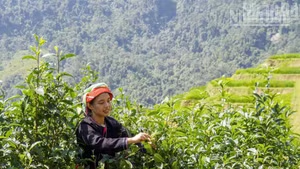
The project aims to support ethnic minority women living in the buffer zone of Hoang Lien National Park in preserving both natural and cultural heritages.
It also highlights their pioneering role in developing livelihoods and promoting sustainable tourism in the face of climate change challenges in Hoang Lien, Ta Van and Ban Ho Communes (now Ta Van and Ban Ho Communes), Lao Cai Province.
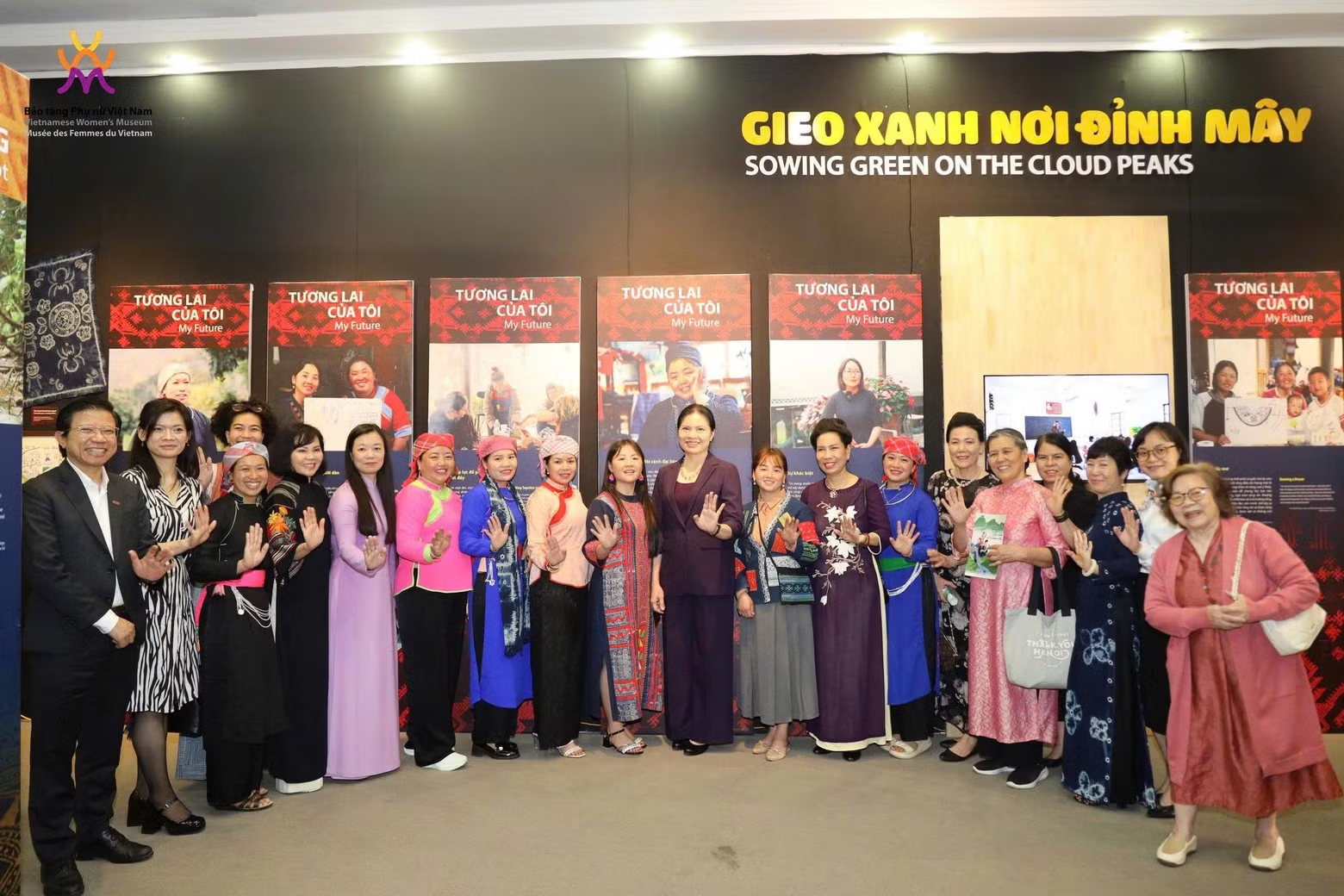
The exhibition consists of three parts, with the first offering a vivid panorama of the living landscapes, indigenous cultures and community life of the Mong, Dao, Giay, Thai and Tay ethnic groups. It invites visitors to experience the deep-rooted connection between people and the mountains, where traditions have been carefully preserved across generations.
The second part examines the tangible impacts of climate change and tourism on local livelihoods. At its heart, it celebrates the resilience, agency and creativity of women as they adapt, sustain their communities and safeguard cultural identity.
Finally, the exhibits open up expectations for the future of tourism, where “green shoots” are nurtured from within the community itself, driven by the aspirations, efforts and determination of highland women towards sustainable development.
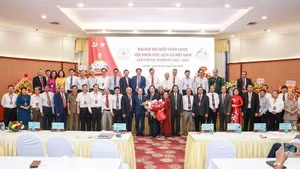
Speaking at the event, Nguyen Thi Tuyet, Director of the Viet Nam Women’s Museum, stated that the exhibition is first and foremost the result of a sustained process of research and international collaboration. More importantly, it is grounded in the trust and openness of highland women who may not describe their work as “climate change adaptation”, yet are living and acting as true pioneers on that very journey.
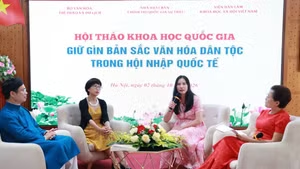
Within the framework of the exbibition, a forum titled “Sapa women preserve natural and cultural heritages” was also held, providing a platform to examine and assess the impacts of climate change and tourism activities on the environment and livelihoods in the buffer zone of Hoang Lien National Park. The delegates also proposed solutions and recommendations and measures to promote the role of local communities, particularly women, in boosting sustainable ecotourism development.
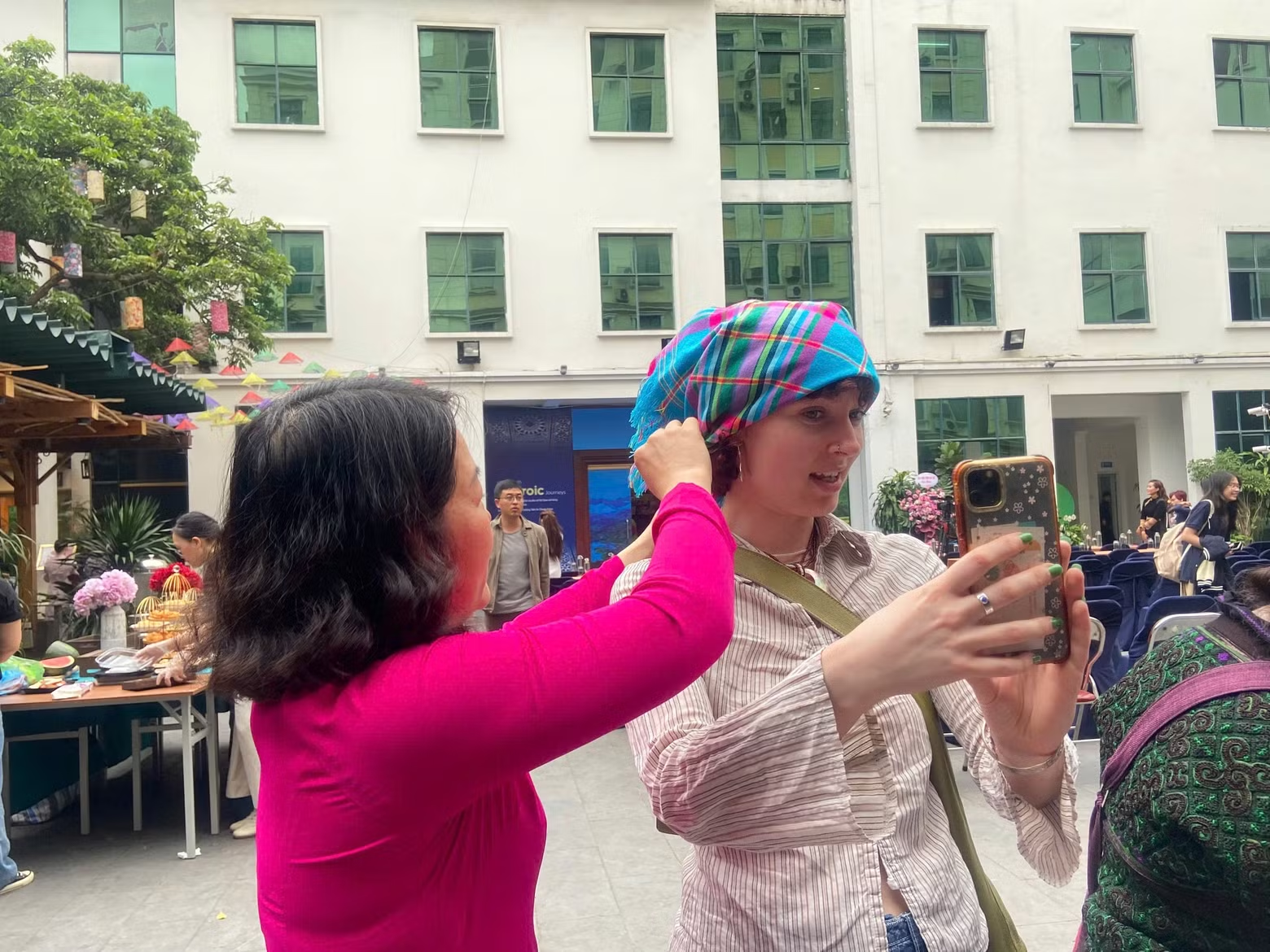
In addition, an experiential activity themed “Colours of heritages” will be held on March 28, offering the visitors an opportunity to engage with traditional culture through creative practices, including upcycling and crafting personal items using brocade textiles.
At the opening ceremony, Bui Ngoc Quy, Deputy Director of the Institute of Natural Resources and Environment expressed his hope that, through exhibition, the stories of highland women would be more widely heard and more deeply understood—thereby inspiring more effective policies, innovative initiatives and more sustainable development models in the future.
Sharing her perspective, Sung Thi Lan, Director of Muong Hoa Cooperative (in Ta Van Commune, Lao Cai Province), said that she and local residents have made use of traditional materials to upcycle them into handicrafts and souvenirs. They have also planted trees along streams and collected waste, contributing to the protection of the local environment. At the same time, these efforts have helped create additional tourism products and improve incomes for the community.