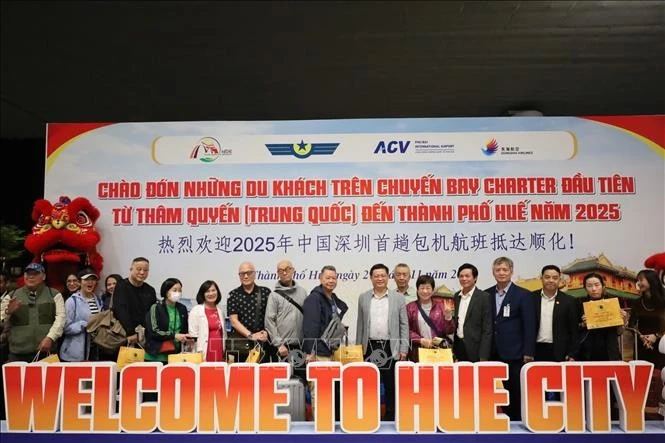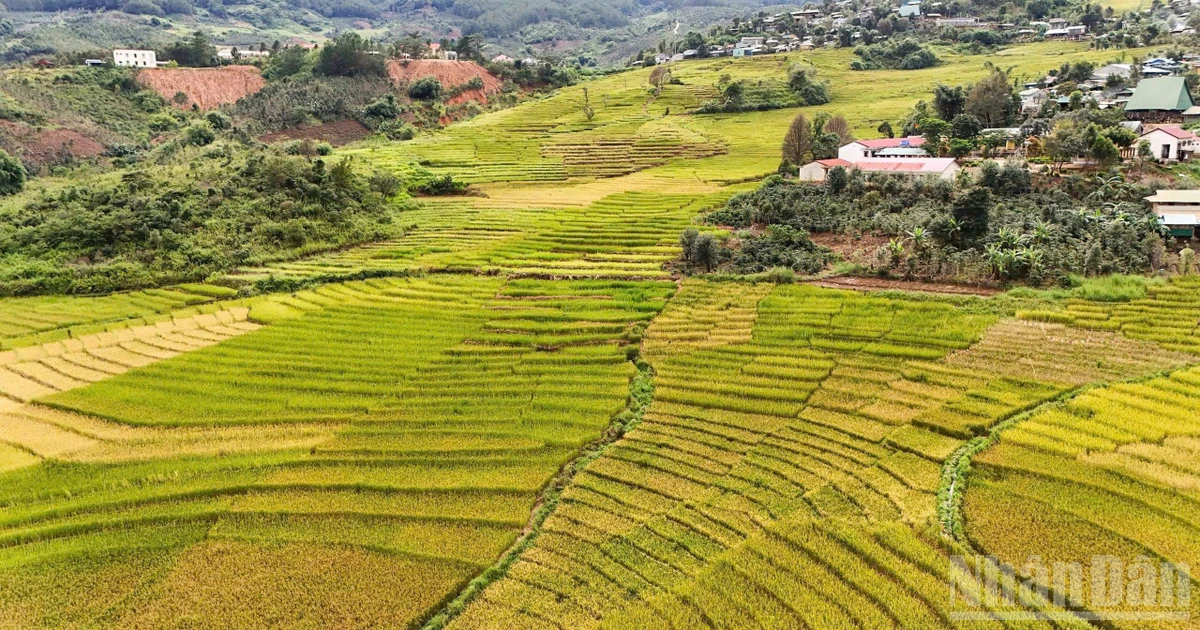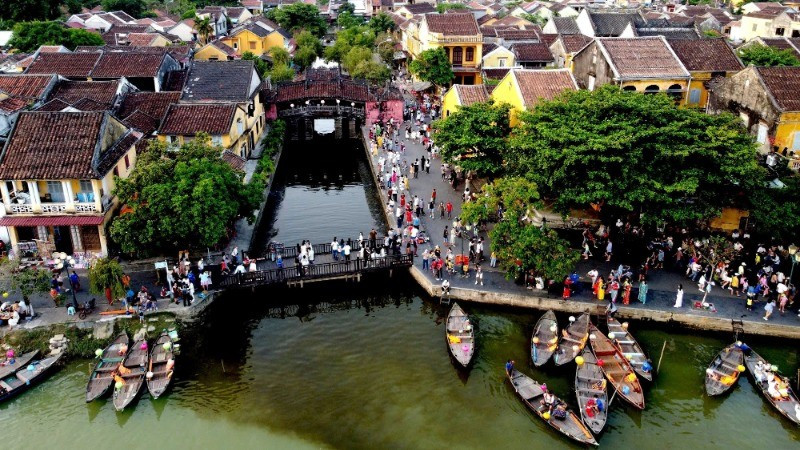
If each locality is a unique melody, the National Tourism Year 2025, launched in Hue, is the opening symphony to a new journey for Central Viet Nam’s tourism. From the heritage-rich provinces of Hue and Quang Nam, to the modern cityscape of Da Nang, from the historical charm of Quang Nam to the natural and historical imprints of Quang Binh and Quang Tri.
Collaboration for broader impact
The five provinces harmonise like musical notes, composing a vivid inter-regional tourism melody. Behind the spotlight of the opening ceremony, behind the statistics and headlines, lies a strategy of regional cooperation that is gradually becoming deeper, more creative, sustainable, and full of promise. These provinces have collaborated on numerous joint initiatives, including participation in major tourism fairs and promotion campaigns in key markets such as Hanoi, Ho Chi Minh City, the Republic of Korea, and Japan; organising famtrips and inter-regional product development workshops; and building a shared destination brand.
At the 2024 Vietnam International Travel Mart (VITM) in Hanoi, the shared booth of the five provinces—spanning 108 square metres—attracted around 3,000 visitors, distributed thousands of publications, and was awarded “Largest Exhibition Booth”. At the 2024 Ho Chi Minh City International Travel Expo (ITE HCMC), the joint booth again made an impression with 434 B2B appointments and over 3,000 visits.
According to Huynh Thi Lan Huong, Deputy Director of Da Nang Tourism Promotion Centre, developing a shared Central Vietnam tourism brand helps reduce costs, increase market penetration, and leave a stronger impression on visitors.
Beyond promotion, collaboration also manifests in distinctive product development: the central heritage trail, cultural and culinary journeys, highland eco-community tourism, MICE travel, and regional carnivals. Each locality brings its strengths, but is interlinked to complement one another. Director of Hue City’s Department of Tourism, Tran Thi Hoai Tram, said, “Hue is rich in heritage, Da Nang is modern, Quang Nam is steeped in history, while Quang Tri and Quang Binh excel in revolutionary and eco-tourism. This is a truly diverse and comprehensive travel experience.”
Despite initial successes, regional tourism linkages in Central Vietnam still face significant barriers.
While the involvement of government agencies and businesses is vital, a crucial link in the chain is the local community. From the boatmen of Tam Giang to the homestay operators in A Luoi (Hue) or the vegetable farmers in Tra Que Village (Quang Nam), every resident is a cultural ambassador and a genuine point of contact for tourists. For sustainable linkages, the voices and interests of those who preserve tourism resources at the grassroots must not be overlooked.
Despite initial positive achievements, tourism collaboration among the five central provinces still faces many hurdles. Nguyen Van Phuong, Deputy Secretary of the Hue Party Committee and Chairman of the Hue People’s Committee, stated: “Linkages must be substantive, with clearly defined products, long-term coordination mechanisms, particularly in infrastructure connectivity and benefit-sharing.”
In practice, inter-provincial tours and routes remain fragmented, infrastructure lacks consistency, and there is no unified coordination mechanism. The Chairman of the Hue City People’s Committee emphasised that “Collaboration remains focused on promotion, while cooperation in state management, digital transformation, and product development is still limited.”
Nguyen Thanh Hong, Director of the Quang Nam Department of Culture, Sports and Tourism, noted that “Linkage is crucial for the mountainous regions, where potential remains underutilised. But currently, binding mechanisms and deep business engagement are lacking.” From the business perspective, Le Tan Thanh Tung, CEO of VITRACO Tour, proposed: “The central region should organise product chains that share customers, costs, and benefits to enhance international competitiveness.”
Breakthroughs on a new path
To go deeper, localities have agreed to develop annual linkage plans, with clear responsibilities and stronger involvement from enterprises and tourism associations. Notably, National Tourism Year Hue 2025 presents an opportunity to showcase genuine regional integration.
Hong recommended boosting investment in infrastructure connectivity, such as expressways, ports, and airports, and developing regionally scaled products associated with craft villages, cuisine, and distinctive landscapes. Meanwhile, Tung suggested establishing a regional coordinating agency and leveraging artificial intelligence (AI) and shared data to support businesses. He also proposed creating an AI-powered multilingual website to help international travellers explore and plan trips to Central Vietnam.
Furthermore, the region should build an ecosystem for creative tourism, health tourism, long-term visas for seniors, seaplane services, convert Tien Sa Port into a cruise terminal, and expand heritage cruise tours connecting Hue and Da Nang. From a management standpoint, Phuong noted that “Collaboration must be institutionalised through actionable plans with defined resources, shared planning, infrastructure investment, and annual impact assessment.”
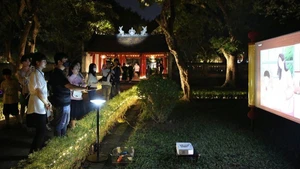
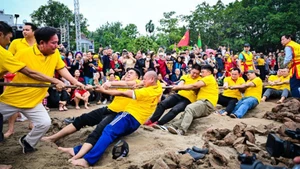
One of the most promising highlights of this linkage initiative is the introduction of regionally distinctive tourism products. Provincial carnival tours, heritage cruises between Hue and Da Nang, and community-based highland tourism tied to OCOP (One Commune One Product) and ethnic cultural identities are gaining attention.
Phuong affirmed that the National Tourism Year 2025 being hosted in Hue City is not only a prestigious honour for the former imperial city, but also a golden opportunity for the entire central region to showcase its appeal. Tourism cooperation not only allows localities to co-develop products, but also helps elevate the Central Vietnam tourism brand on both the regional and global stage.
As global tourism trends increasingly favour deep, authentic, and localised experiences, the non-competitive, mutually reinforcing model adopted by the central provinces is a distinct advantage. When Central Vietnam is promoted as a diverse region, from heritage to coastlines, from indigenous highlands to modern cities, travellers don’t just see destinations, they envision compelling journeys. It is also a powerful way for local cultural values to be shared more widely, woven into a coherent narrative that transcends individual provinces.
With digital transformation, new media platforms, and evolving tourist expectations, regional collaboration is the key to helping Central Vietnam overcome its fragmented identity and create a distinct and attractive regional profile. Rather than travelling separately and remaining marginalised, localities now have the chance to move forward together, faster, stronger, and more sustainably. The provinces are joining hands to synchronise regional activities: cross-promotion, interlinked tours, and unified communications. The event is not just an extended festival, but a strategic campaign to broadcast Central Vietnam’s image to the world.
Most importantly, the focus should not rest on short-term events, but on how localities are learning to “play the same piece of music”. Hue is not only a heritage hub, but is also expanding in coastal, lagoon, community, spiritual, and luxury resort tourism. Da Nang and Quang Nam are rising with diverse tourism ecosystems, including beaches, world-class resorts, spirituality, MICE, and cultural depth. Quang Binh and Quang Tri contribute majestic natural landscapes and wartime memories. If this partnership continues to be nurtured with genuine commitment and action, it will form a “soft force” that naturally and sustainably propels Central Vietnam forward.
One widely supported proposal is the establishment of a regional coordination centre, unaffiliated with any single province, to act as the operational hub—planning strategies, standardising data, connecting businesses, and streamlining communications. Such a body would serve as a crucial intermediary, fostering meaningful collaboration and ensuring the balanced, sustainable protection of regional interests.
Compared with other regions such as the Northwest, Southeast, or the Mekong Delta, where tourism linkage models are also emerging, Central Vietnam has a unique advantage: cultural inheritance and depth. However, this richness also demands a more nuanced, refined linkage strategy, avoiding repetition and fragmentation. Each locality must preserve its own identity within the collective, creating individual impressions while contributing to a unified regional message. Only when this shared voice is grounded in mutual respect for differences can Central Vietnam’s tourism truly evolve into a strong, sustainable regional brand.