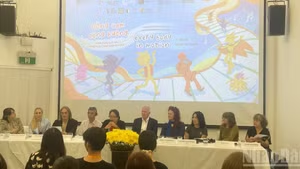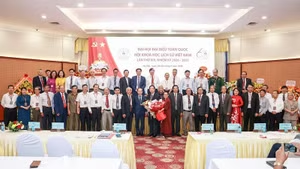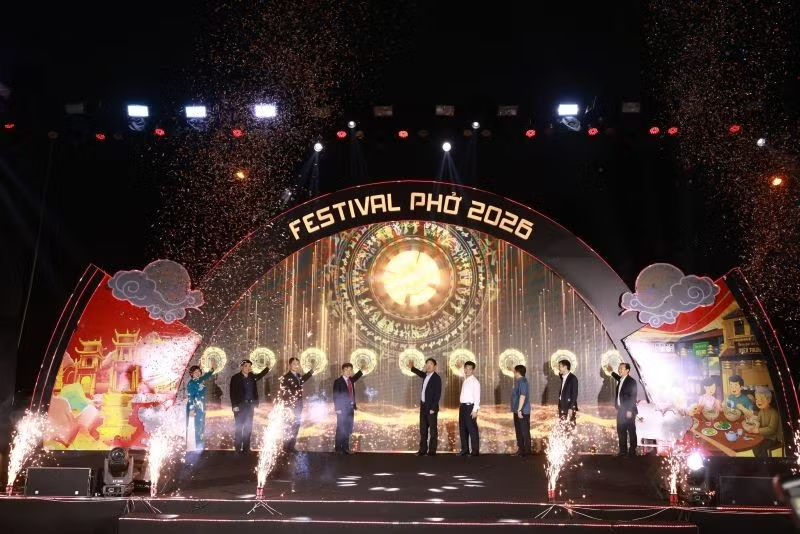
In her opening remarks, artisan Le Thi Thiet, Vice Chairwoman of the Viet Nam Culinary Culture Association and Chairwoman of the Ninh Binh Culinary Culture Association, highlighted that the pho-making craft of former Nam Dinh Province (now Ninh Binh Province) was formed and nurtured, becoming a quintessential symbol of Vietnamese culinary culture. From traditional craft villages such as Van Cu Village and Giao Cu Village — the cradle of pho making — skilled artisans have preserved and passed down their craft across generations. Today, pho has evolved into various forms, spreading nationwide and reaching global friends.
A significant milestone came in 2024, when Nam Dinh-style pho and Ha Noi-style pho were officially inscribed as national intangible cultural heritages. This recognition not only acknowledges their cultural, historical, and culinary value but also places a responsibility to preserve, promote, and disseminate this precious heritage in contemporary life, aiming towards UNESCO recognition as a representative intangible cultural heritage of humanity.
In this context, Pho Festival 2026 carries practical significance in continuing to preserve and promote heritage values while advancing research and completing the nomination dossier for UNESCO recognition. It also contributes to positioning Vietnamese cuisine as a key sector within the cultural industries.
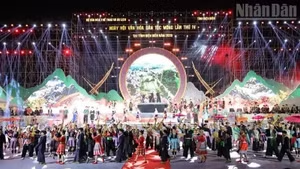
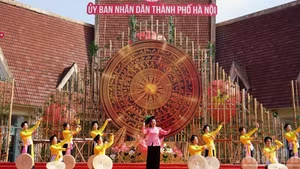
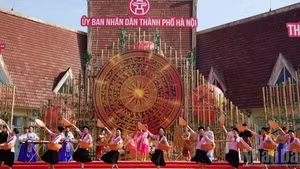
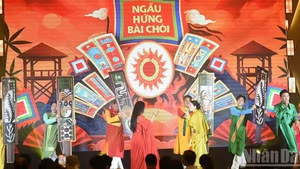
A highlight of the three-day festival is the re-enactment of pho’s origins. Prior to the opening, the activity series “Returning to Van Cu Communal House — Opening the Heritage Chapter” underscored the role of craft village communities in preserving and transmitting traditional knowledge. Rituals honouring the founding ancestors of the craft, traditional cooking processes, and professional stories are showcased, highlighting the historical depth and enduring cultural value of Vietnamese pho.
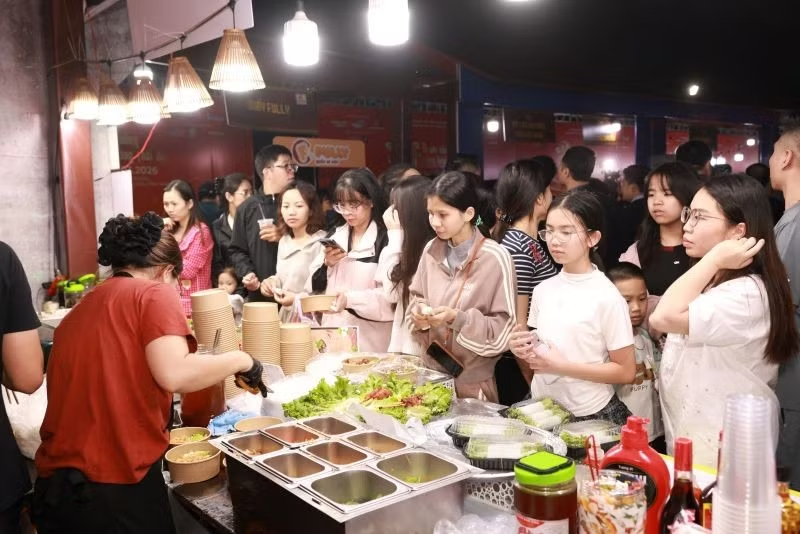
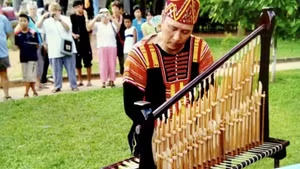
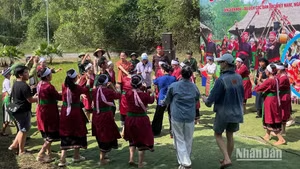
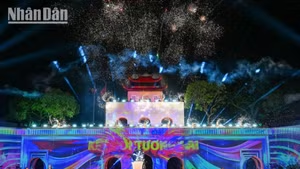
Immediately after the opening ceremony, cultural and culinary spaces were opened simultaneously, attracting large numbers of visitors and tourists. At the “Origins of Pho” space, artisans demonstrated the preparation of Nam Dinh-style beef pho and Ha Noi-style chicken pho using traditional methods, helping to spread the core values of the craft. Cultural and artistic exchanges further enriched the community atmosphere.
The exhibition areas at the festival systematically recreated pho’s development journey, from the foundations of wet-rice civilisation to its presence in contemporary life. These displays affirmed that pho is not merely a dish but a synthesis of knowledge, skills, and national cultural identity.
Choosing Ninh Binh as the venue reflects an orientation to link heritage preservation with cultural tourism development. As the locality accelerates tourism growth, the festival is expected to provide additional momentum for the service economy while promoting the image of Viet Nam and its people to the international community.
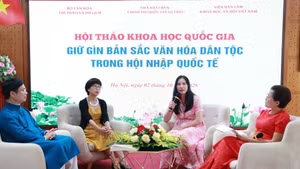
Pho Festival 2026 marks another concrete step in building and refining the national dossier on Vietnamese pho. Through professional activities, seminars, and community engagement, the values of pho are being systematically documented, standardised, and widely disseminated.