According to national population data, Viet Nam has more than 16 million older people, accounting for over 16% of the population. However, only around 5.4 million older people currently receive pensions, monthly social insurance allowances, benefits for people with meritorious services, or social assistance.
According to the Ministry of Health, although Viet Nam has a relatively high average life expectancy of 73.6 years, the number of years people can expect to live in good health from birth is only 65 years. Older people suffer from an average of two to three underlying health conditions. This situation is placing considerable pressure on the healthcare and social welfare systems.
In recent years, a range of social welfare policies have been adjusted and upgraded with the goal of “leaving no older person behind.” Expanding health insurance coverage, lowering the age threshold for social assistance and raising the standard level of social assistance have helped millions of older people ease their concerns about illness and living costs.
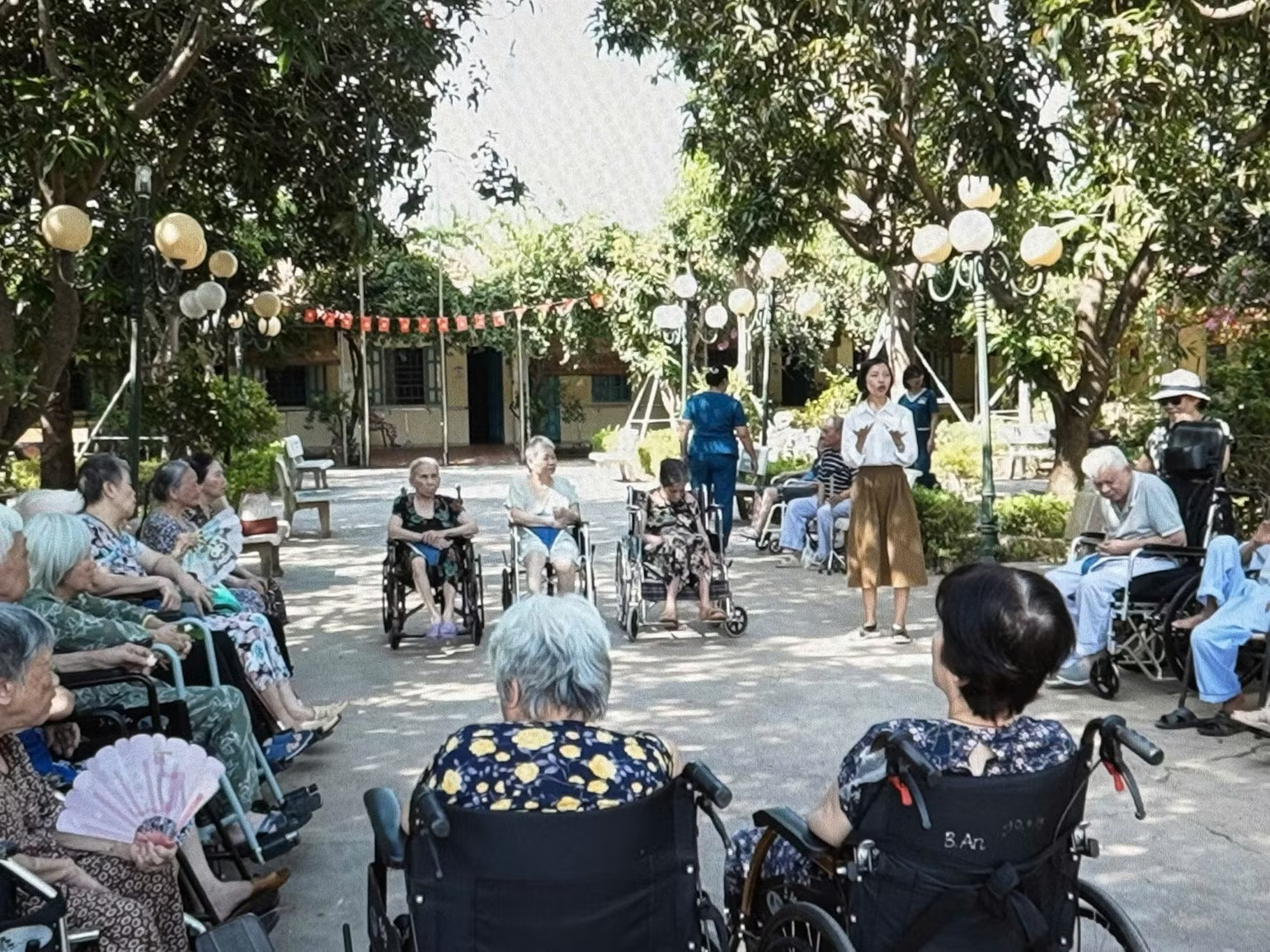
Recently, the government issued Decree No. 335/2026/ND-CP on social assistance policies. Under the decree, starting October 5, 2026, people aged 75 or older who have no pension, are in difficult circumstances, and live in the community will receive the new social retirement allowance.
In reality, millions of older people still have no pension, social assistance, or financial savings, leaving them dependent on their children and relatives.
Dr Dao Trung Tuyen, former head of the Department of Internal Medicine at Hung Nhan General Hospital in Hung Yen Province, said: “Older people often face complex chronic conditions such as hypertension, diabetes, musculoskeletal disorders, and memory loss. When their mental health is unstable, physical illnesses can progress very quickly. Combining specialised medical care with psychological therapy is the key to maintaining quality of life for older people. The broader the social welfare system’s coverage, the fewer older people will have to live with anxiety.”
Alongside state policies, modern elderly-care models, ranging from day care to residential facilities, are gradually changing the way older people are cared for. Whereas in the past, sending parents to a care home was often regarded as an act of “filial disrespect”, many families are now more open to the idea after recognising that such facilities can provide older people with professional medical care and living spaces suited to their age.
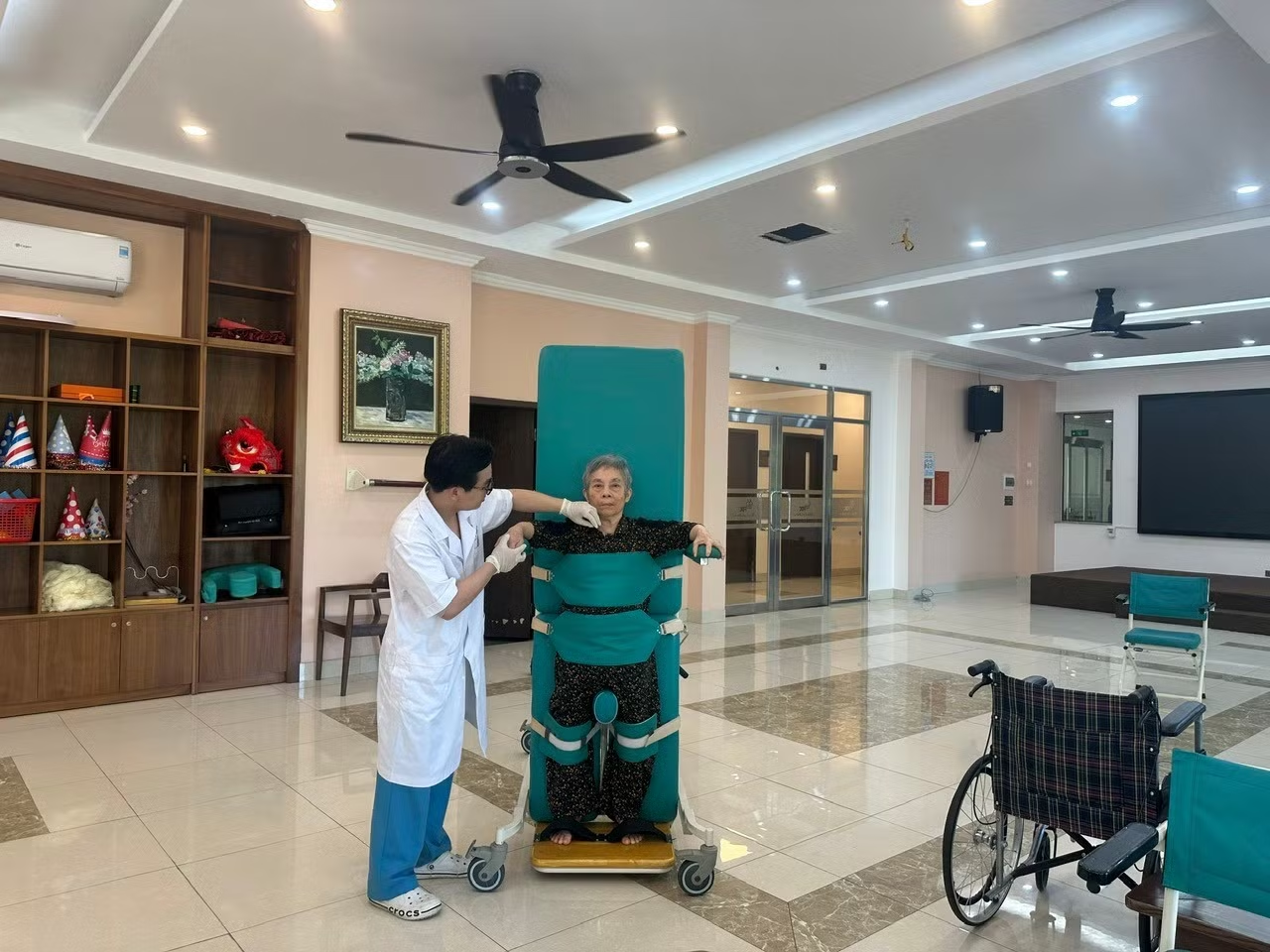
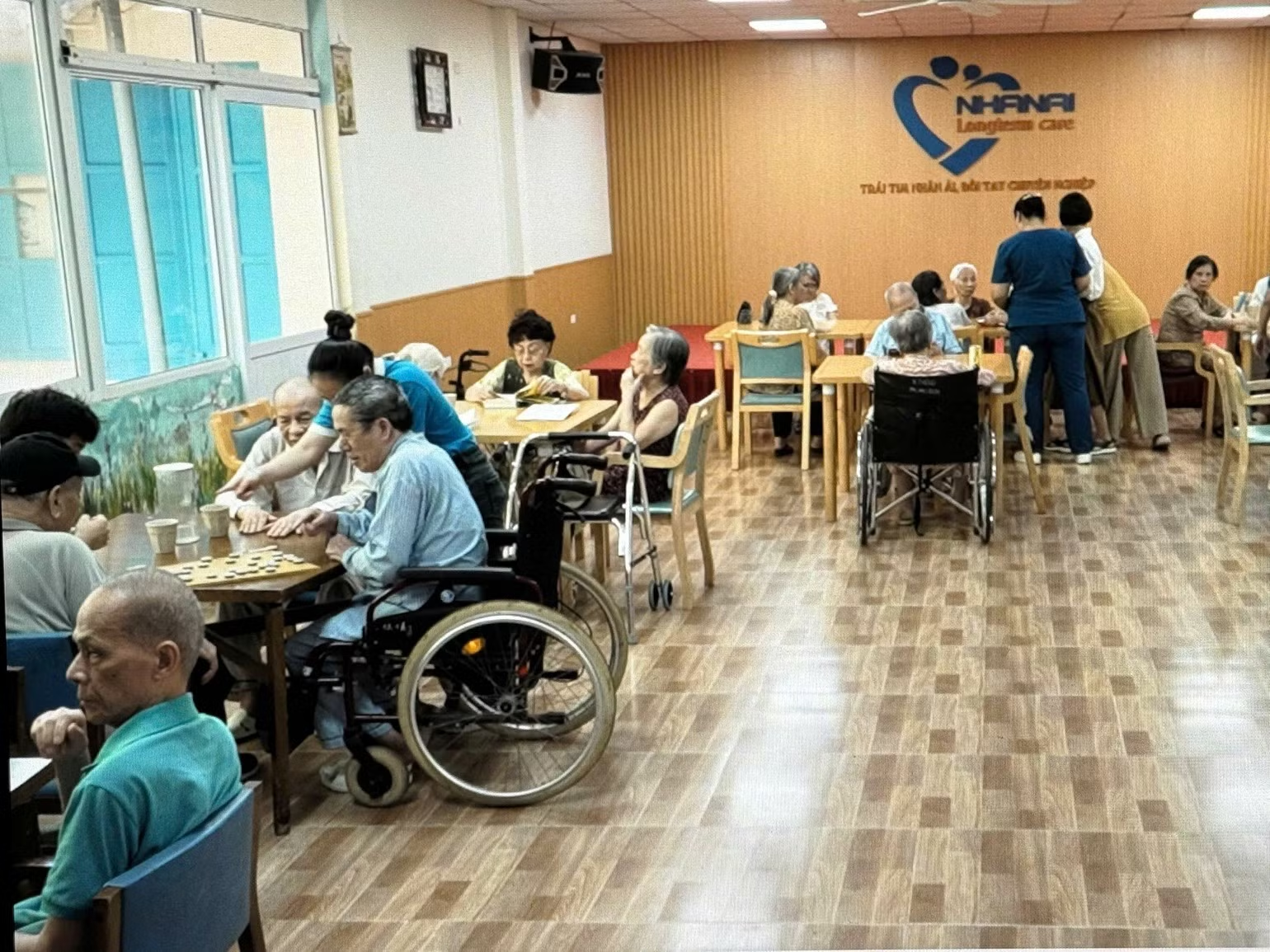
Located on the outskirts of Ha Noi, An Binh International Elderly Healthcare Centre is currently home to more than 100 older people. Le Dinh Thang, 81, a retired teacher living at the centre, said that although his children were filial, their busy work schedules meant he inevitably felt lonely when staying home alone. Since moving to the centre, however, he has rediscovered the joy of living through a shared daily routine with other elderly residents, including practising tai chi, playing chess, composing and discussing poetry, and chatting. “The feeling that I am still useful and that there are people who listen to me is so precious,” Thang said.
At the FDC Nursing and Rehabilitation Centre in Ha Noi, alongside treatment rooms, rehabilitation facilities, and medical care areas are spaces for communal activities. Wellness exercises, cultural and artistic exchanges, birthday celebrations, making chung cake for Tet, and weekend gatherings with children and grandchildren have become regular activities, bringing joy to older people.
Phuong Thi Hanh, who is currently staying at the facility for rehabilitation and recuperation, said what she appreciates is not only the clean environment and attentive care but also the feeling of living among people of the same generation.
“It is so much fun here. Everyone cares about and encourages one another. There is always someone to talk to, so I feel very comfortable,” Hanh said.
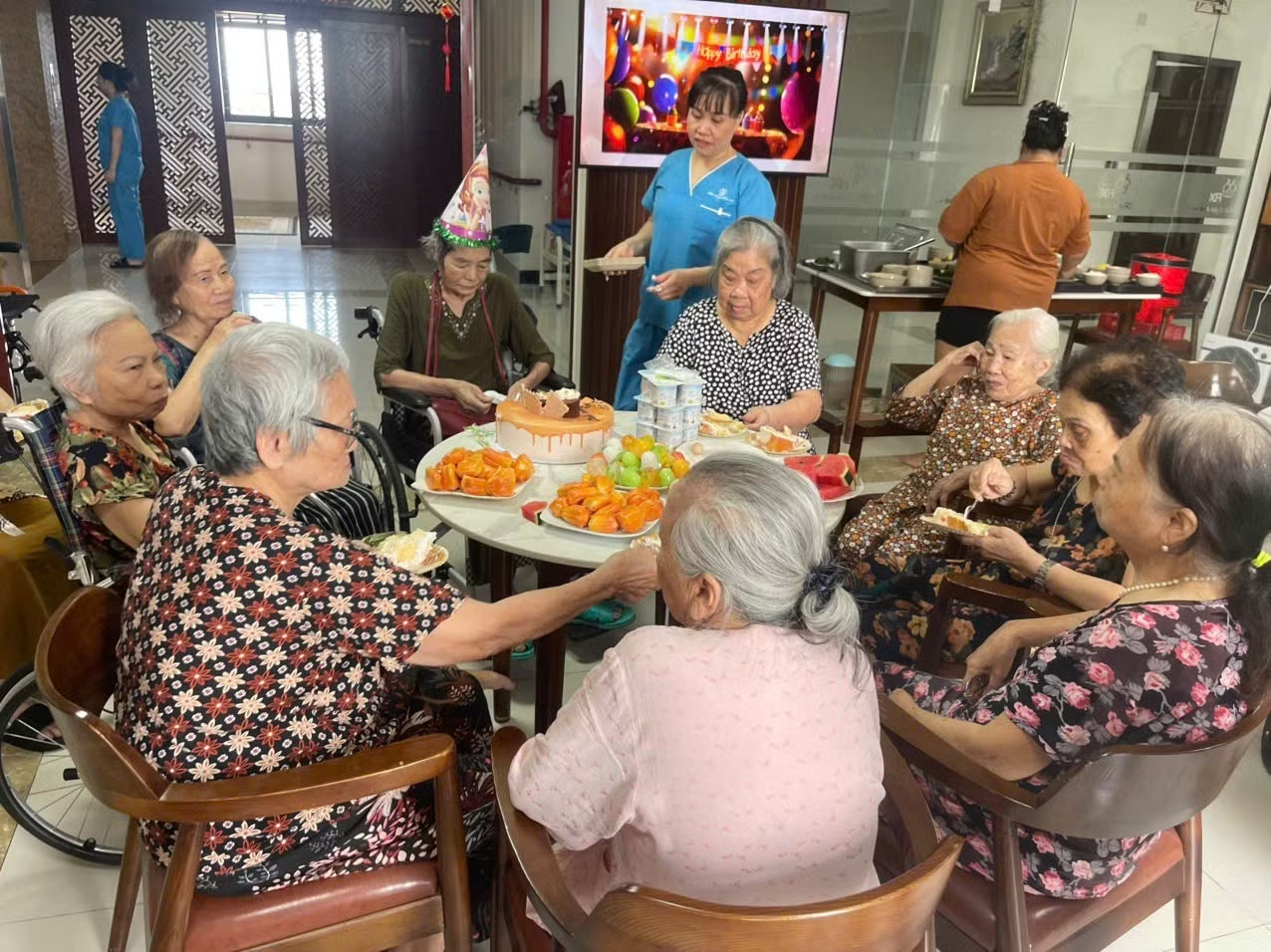
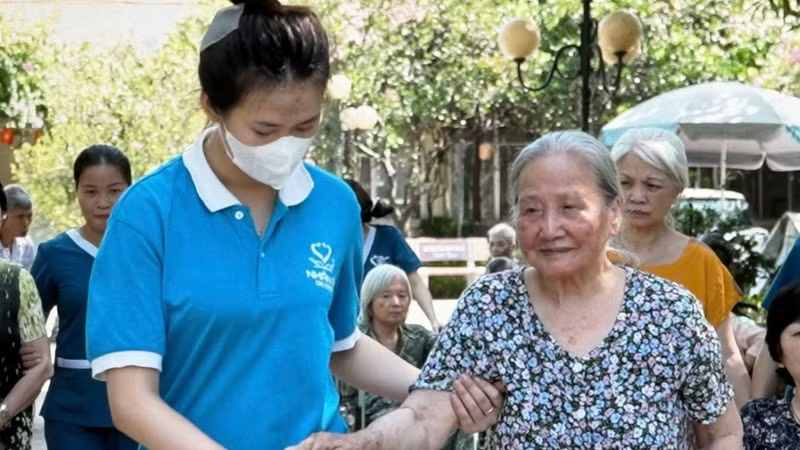
Unlike many other areas of healthcare, elderly care requires not only professional knowledge but also patience, compassion, and the ability to listen. Nurse Hoang Thi Ngoc said that without genuine dedication to the profession, it would be difficult to remain committed to this work. Caring for older people is not simply about carrying out medical instructions or assisting with daily activities; it also requires encouragement and empathy, and treating elderly residents as one would their own grandparents or parents.
In reality, the best care for older people must address both their physical and mental wellbeing. When they live in a safe environment where they are treated with empathy and respect, older people can not only maintain their health but also preserve an optimistic and clear state of mind.
According to Dr Hoang Thi Mai Phuong of the FDC Centre, the centre’s ultimate goal is not to keep older people there for as long as possible, but to help improve their health so that, whenever possible, they can return to live with their families. That, she said, is the true measure of success for an elderly-care model.
According to sociologists, no matter how developed social welfare policies or care homes become, family affection will always hold a uniquely important place that nothing can replace. The understanding and filial devotion of children and grandchildren are the most powerful sources of energy for nurturing the spirit of older people.
Caring for older people does not always require expensive gifts. Sometimes, it is simply a phone call to ask how they are each evening, a warm family meal at the weekend, or the patience to sit and listen as parents recount old stories that they have told dozens of times.
“Put away your smartphone when you are sitting with your parents or grandparents. Be truly present in their space, listen to them and share their everyday concerns. Encourage grandparents to participate in community activities, tend to plants, or teach and care for their grandchildren. Staying positively engaged helps older people dispel the feeling that they are no longer needed,” expert Le Thuy An stressed.
In addition, family members and children should take older relatives for routine health check-ups on a regular basis and pay attention to nutrition and physical activity appropriate for their age.
Building a humane society in which every older person can live in peace is not the sole responsibility of the authorities or any individual. It requires a collective effort from society as a whole.