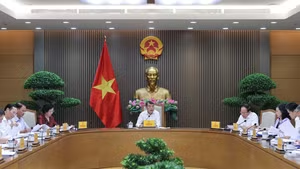
The prime minister recently issued Official Dispatch No. 1260/TTg-KGVX, dated October 9, 2026, requesting ministries, sectors and localities to organise activities for the 2026 Action Month for Older People in Viet Nam.
Accordingly, these activities should be linked with celebrations marking Viet Nam Culture Day (November 24), the Great National Unity Festival (November 18) and the Culture and Great National Unity Week (November 18–24) in communities, residential areas, and neighbourhoods.
The activities must be practical, focus strongly on the grassroots level and place older people at their centre, while linking the care, protection, and promotion of older people’s role with local socio-economic development and social welfare objectives.
This year’s Action Month for Older People in Viet Nam is themed “Communities joining hands to provide integrated care for older people amid population ageing.” Most activities are aimed at raising awareness and strengthening the responsibility of authorities at all levels, sectors, and society as a whole in caring for older people and promoting their role and status.
In Ha Noi, numerous meaningful activities have been held throughout October, including a health exercise session involving more than 1,500 older participants, nutritional counselling, visits, and gift presentations to older people living alone or facing difficult circumstances, as well as cultural exchanges and recreational programmes.
Daytime healthcare models for older people continue to be expanded to meet the needs of the city’s elderly population.
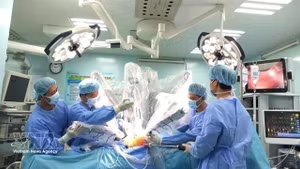
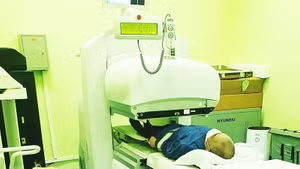
Notably, Ha Noi recently inaugurated a healthcare complex combining medical examinations, treatment, and rehabilitation services for older people, with a total investment of approximately 600 billion VND. The project was developed by Ha Noi Medical University Hospital and relevant organisations.
According to Assoc Prof, Dr Nguyen Lan Hieu, Director of Ha Noi Medical University Hospital, the development of the complex is not simply about building another hospital but about “bringing the hospital home.” The complex aims to ensure that older people feel they are at home rather than in hospital, while still receiving comprehensive medical care.
It also features dedicated rehabilitation, physiotherapy, and nutrition facilities for older people, together with communal and exercise spaces where they can socialise, interact, and avoid feelings of loneliness.
In Ho Chi Minh City, the Department of Culture and Sports, in coordination with relevant organisations, organised a series of sporting activities in September and October, featuring badminton, artistic shuttlecock kicking, pickleball, sports dance, and ethnic minority sports competitions. The events attracted nearly 2,000 coaches and athletes from wards and communes across the city.
According to the department’s leaders, these activities provide opportunities for recreation, interaction, and the exchange of experiences, contributing to improving quality of life and promoting physical exercise and sports among middle-aged and older people.
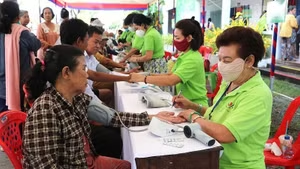
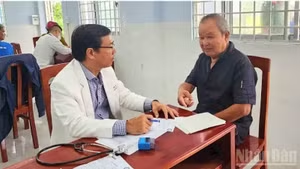
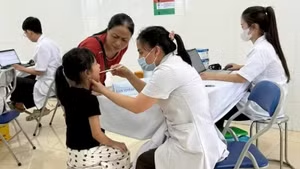
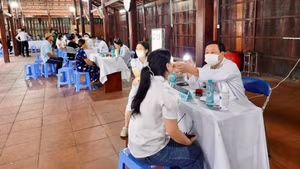
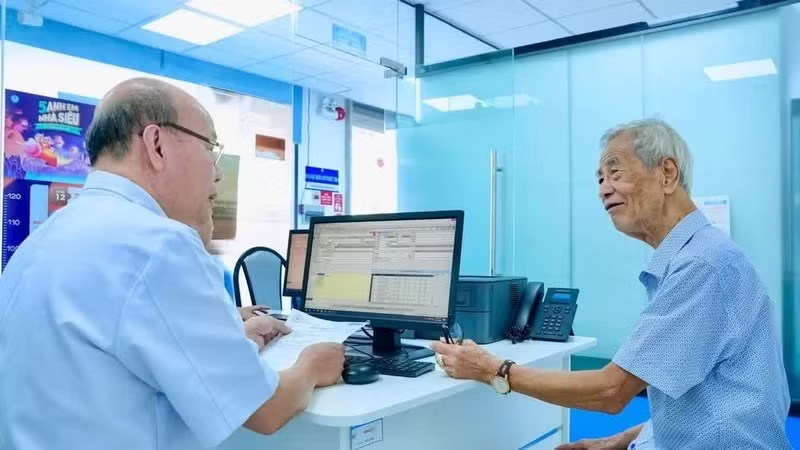
Many provinces and cities nationwide have also organised meaningful and compassionate activities for older people, with particular emphasis on free medical examinations, treatment, and healthcare services.
In Nghe An, the Department of Health worked with local authorities to conduct screenings for respiratory diseases — including chronic obstructive pulmonary disease, bronchial asthma, pneumonia, and pulmonary tuberculosis — for more than 2,000 older people.
Ca Mau launched the “Bright Eyes for Older People” campaign, providing eye screenings, consultations, and treatment support for nearly 3,000 older people, prioritising those living in remote areas and facing difficult circumstances.
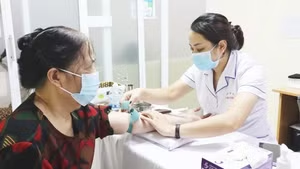
Notably, the Viet Nam Association of the Elderly, in coordination with relevant organisations, has launched the “Comprehensive Healthcare for Older People in Viet Nam” project, aimed at establishing links with preventive healthcare services, vaccination programmes, and specialised medical examination and treatment services. The model seeks to ensure continuous healthcare, from disease prevention and early detection to treatment, rehabilitation, and the management of underlying health conditions. As part of the project, more than 10,000 free doses of influenza vaccine have been provided for older people nationwide.
In addition, in line with the government's requirements, the Viet Nam Association of the Elderly continues to work closely with the Ministry of Health and other relevant ministries, agencies, and local authorities to mobilise social resources to care for and support older people, strengthen and expand intergenerational self-help clubs, and proactively research and propose appropriate, practical, and effective models and initiatives to help older people lead happy, healthy lives and make the most of their abilities in ways suited to their circumstances.
Viet Nam is among the countries experiencing rapid population ageing. According to the National Statistics Office, the country’s average population reached 102.3 million in 2025, with people aged 60 and above accounting for 14.5%. An updated report by the Viet Nam Association of the Elderly indicates that the country currently has nearly 17 million older people, with this figure projected to reach approximately 18 million by 2030.