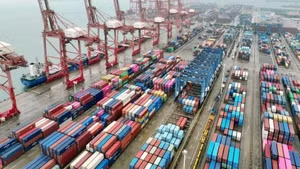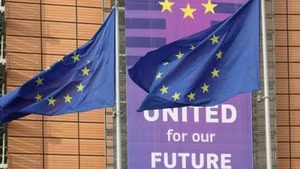
A key driver behind the gradual restoration of cooperation between Britain and the EU is the European security landscape, which has been affected by conflicts and strains in transatlantic relations with the United States. Alongside security concerns, economic imperatives have also compelled London and Brussels to address trade difficulties arising from Brexit. Border checks and administrative procedures have made trade between the UK and EU more cumbersome.
Following the acrimonious "divorce" in 2020, when Britain formally left the EU, thousands of lorries were at one point stranded at the UK's Port of Dover — a major gateway linking Britain with continental Europe. For the EU, Britain's departure also meant losing an important member that had been one of the bloc's largest economies and a major military power.
Assessing the specific economic impact of Brexit on either side is far from straightforward, as both Britain and the EU have faced numerous challenges with far-reaching economic and social consequences over the past decade, including the pandemic, conflicts, and geopolitical instability. Nevertheless, Brexit has been one of the factors weighing on economic growth.
Against this backdrop, British Prime Minister Andy Burnham has recently pursued what he previously described as a "bolder" approach to relations with the EU. On October 25, he called for a "frank" discussion on the possibility of restoring freedom of movement between Britain and the bloc. Although he made clear that he was not proposing UK re-entry into the EU during the current parliamentary term, the prime minister expressed his desire to improve relations with the bloc to deliver tangible benefits for citizens and businesses. On the EU side, leaders of several member states have welcomed London's signals of a willingness to move closer to Brussels.
Public opinion also appears increasingly favourable towards closer ties between the two sides. A survey conducted in September 2026 found that 49% of British respondents supported the UK rejoining the EU. However, the path back into the bloc remains far from straightforward, given the political, economic, and institutional obstacles involved.
Some observers argue that Brexit has failed to deliver on its original promises and that a reassessment of UK-EU relations is necessary. Nevertheless, the British Government must exercise caution in its Brexit-related decisions to avoid reopening divisions within society.
The second UK-EU summit, scheduled to take place in Brussels on November 20, is expected to deliver breakthroughs in bilateral relations. The meeting will review progress made since the first summit in London in May 2025, which was widely seen as marking the beginning of a new chapter in relations following years of strained ties caused by Brexit.
Discussions at the forthcoming summit will cover efforts to advance agreements aimed at reducing costs and simplifying procedures for farmers and businesses, strengthening security cooperation, and combating irregular migration, reflecting the determination of the two sides to deliver practical benefits to their citizens.
The strategic policy adjustments being made by London and Brussels are seen as necessary steps towards strengthening their ability to address shared challenges by harnessing the economic and security benefits of substantive cooperation.