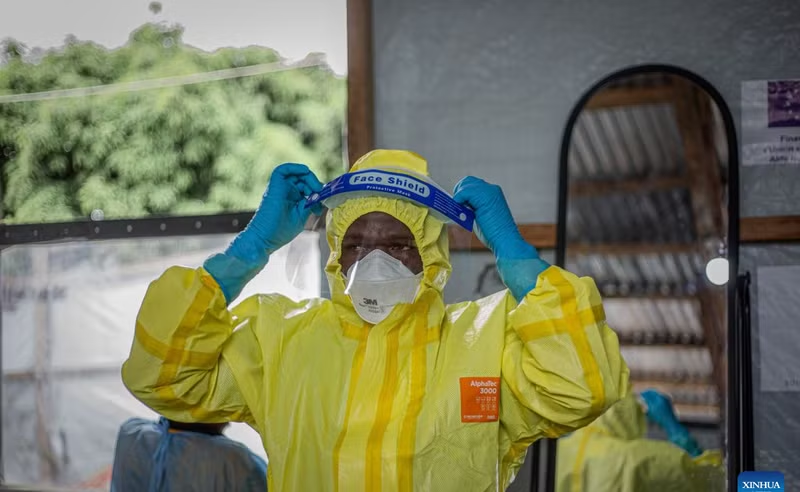
Shrinking healthcare funding, obstacles to epidemic prevention and control in Africa — a weak link in the global health system — and intensifying conflicts and geopolitical competition are challenges that no country or region can tackle alone.
The current Ebola outbreak is not merely a national or regional health crisis. It is also exposing weaknesses in the global health system, including growing concerns over the decline in international cooperation.
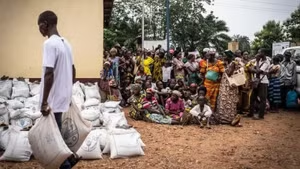
Total development assistance for global health fell to approximately 39 billion USD in 2025, its lowest level in more than 15 years, and is projected to decline further to 36 billion USD by 2030. The main reason is that donor countries are shifting their budget priorities and directing resources towards other pressing issues, including economic recovery. According to experts, cuts in foreign aid could deliver a shock comparable in scale to "a global pandemic or a major armed conflict" for many low- and middle-income countries, with potentially severe consequences.
Africa is currently at the epicentre of the Ebola outbreak. Outbreaks caused by the Bundibugyo virus have claimed numerous lives in the Democratic Republic of the Congo, where more than 9,200 infections have been recorded.
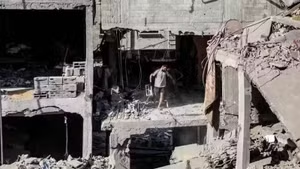
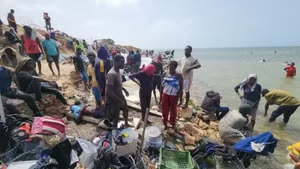
The epidemic is unfolding amid a surge in armed conflicts, displacement and refugee movements across the region. This situation has heightened concerns within the World Health Organisation (WHO) over gaps in epidemiological surveillance, testing capacity, disease prevention and emergency response in countries whose healthcare systems were already severely overstretched.
The Group of Twenty (G20) major developed and emerging economies and leading international donors recently pledged more than 470 million USD to support the Democratic Republic of the Congo's response to the Ebola outbreak. While emergency assistance is essential, preventing Africa from being caught unprepared for future crises requires the international community to gradually shift towards long-term investment and technology transfer.
The African Union (AU) has set a target of meeting 60% of the continent's vaccine needs through domestic production by 2040, marking an important shift from dependence on vaccine imports towards more active participation in global supply chains.
The European Investment Bank, the European Commission and the International Finance Corporation (IFC) have pledged support for the establishment of Africa's first fully integrated, multi-vaccine manufacturing facility in South Africa. However, the challenge is not simply whether a vaccine manufacturing plant can be built, but how to ensure that it operates effectively in practice. Africa needs a comprehensive healthcare ecosystem, encompassing workforce training, laboratory and testing systems, vaccine production and disease surveillance.
Alongside longstanding challenges such as severe shortages of healthcare workers, conflicts and violence affecting medical facilities, and inadequate transport infrastructure hindering the delivery of medicines and medical equipment, securing sustainable long-term financing for research and healthcare operations remains particularly difficult.
In more than half of African countries, interest payments on external debt exceed government spending on healthcare. According to WHO Director-General Tedros Adhanom Ghebreyesus, Africa received approximately 74 billion USD in official development assistance in 2023, but lost around 90 billion USD through illicit financial flows.
The lessons of shared responsibility, solidarity and mutual support drawn from the COVID-19 pandemic remain as relevant as ever, as the threat of future disease outbreaks continues to loom. Every epidemic represents a formidable test of international solidarity.
Strengthening the resilience of the global health system requires both the determination of individual countries and regions to mobilise their own resources and capabilities, and sustained, close, transparent and rapidly responsive cooperation mechanisms within the international community.