In this context, the requirement to absolutely avoid power shortages is not merely a target but calls for a cautious, proactive approach alongside more flexible operational scenarios.
Rising electricity demand, growing risks
Electricity operator data show that pressure on electricity supply has emerged earlier than expected. On March 31, 2026, despite not yet reaching the peak of the hot season, the national power system recorded consumption exceeding 1 billion kWh for the first time. This level had not been seen before 2024. In 2025, a comparable figure was only recorded in mid-May, at the height of the heatwave.
At the same time, peak system capacity reached 48,789 MW, up 5.4% year on year, while total national electricity output rose by 7.4%. Notably, northern Viet Nam recorded the highest growth, nearly 12%, indicating a marked increase in load pressure in the region.
In terms of the generation mix, coal-fired thermal power continues to play a dominant role with a 55% share, followed by hydropower (21.7%) and gas turbines (9.3%). Renewable sources have increased but still account for a modest proportion and cannot replace baseload sources in the short term.
According to national power operator NSMO, 2026 is expected to see complex climatic developments: La Niña conditions will persist through the first quarter, then shift to neutral, with a possible transition to El Niño from mid-year at moderate to high intensity. This scenario could reduce inflow to hydropower reservoirs, thereby limiting hydropower mobilisation during the dry season.
At the same time, hot weather is forecast to arrive early and persist widely, peaking between June and August and potentially lasting for several consecutive days. On the demand side, electricity consumption is expected to continue rising alongside economic recovery, with capacity possibly increasing by more than 12% and output by 10-12% during peak months, raising the risk of new record highs.
Another notable factor is the rapid growth of electric vehicles, which is driving substantial demand for charging, particularly in the evening, coinciding with peak hours and adding further strain to the system.
In addition, fuel supply faces risks as global geopolitical fluctuations may affect the availability of LNG and imported coal. Meanwhile, the grid infrastructure, especially 500 kV transmission lines, is operating at high load, and progress on key grid projects, energy storage systems, and capacitor banks remains slow, further increasing operational challenges.
Proactive planning and coordinated solutions
In response to these challenges, NSMO stated that it has developed and implemented a comprehensive set of measures to ensure electricity supply during the dry season, including updated hydrological and temperature forecasts, operational plans for the power system in the second quarter of 2026, and generation mobilisation plans.
The company has recommended that adequate gas and LNG supply for power generation be ensured, while maintaining sufficient fuel for coal-fired plants to operate steadily. Notably, accelerating the development of battery energy storage systems (BESS), particularly in northern Viet Nam, is seen as a key solution to enhance system flexibility.
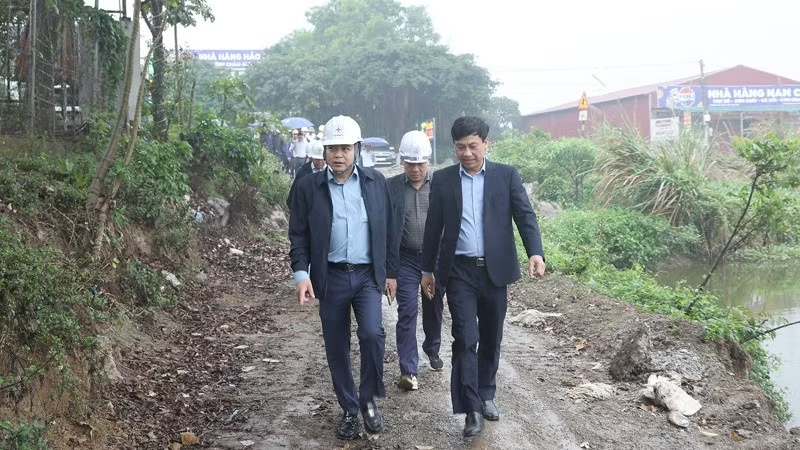
At the same time, NSMO has proposed accelerating the progress of key grid projects, especially in the north, including components in Hoa Binh, Pho Noi, the 500 kV Vinh Yen substation, and the Nho Quan-Phu Ly-Thuong Tin 500/220 kV transmission lines. Enhancing the capacity of existing lines is also necessary to reduce transmission pressure.
In terms of operations, optimising hydropower utilisation, flexibly regulating reservoirs in line with hydrological conditions, complying with inter-reservoir procedures, and maintaining readiness to adjust in abnormal situations are key requirements. Operational scenarios for generation and the grid are also being reviewed, along with additional contingency plans and increased drills.
Effort across the board required
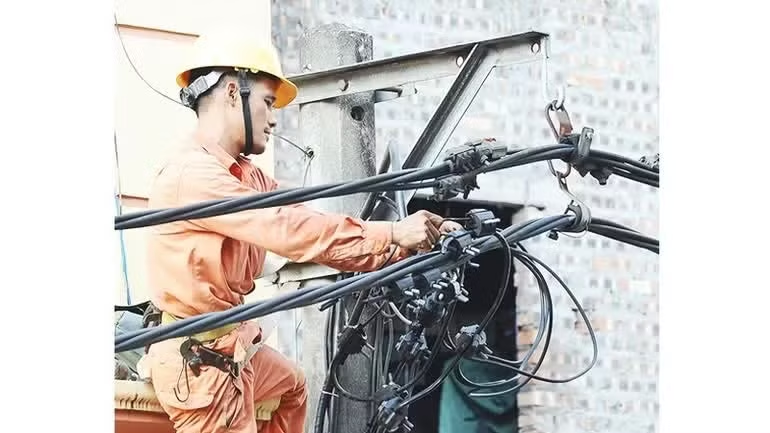
From the perspective of electricity management and use, the state utility company EVN has proactively coordinated with local authorities to implement a range of synchronised measures to ensure supply. These include strengthening electricity-saving programmes and demand response (DR), particularly in areas at high risk of overload.
Power companies have also signed agreements with large consumers, encouraging them to shift electricity use away from peak hours, while preparing backup power sources to respond when the system is under pressure.
According to Bui Quoc Hoan, Deputy General Director of the Southern Power Corporation (EVNSPC), ensuring electricity supply in 2026, especially during the dry season, requires closer coordination from local authorities and electricity users. The focus should be on promoting efficient electricity use, encouraging rooftop solar development combined with storage systems for self-generation and self-consumption, expanding demand-shifting programmes, and removing bottlenecks to accelerate key power projects.
To meet socio-economic development needs, EVN and EVNSPC have prioritised investment in grid development in areas such as Tay Ninh and Can Tho. However, many projects still face difficulties related to site clearance and investment procedures, affecting implementation progress.
Given this situation, the power sector has called on local authorities to take more decisive action to resolve obstacles and facilitate faster project implementation, thereby enhancing local electricity supply capacity.
In addition, EVN leadership has proposed that provincial and municipal authorities strengthen direction to ensure that people, businesses, and agencies strictly implement the prime minister’s directive on enhancing electricity saving and developing rooftop solar power.