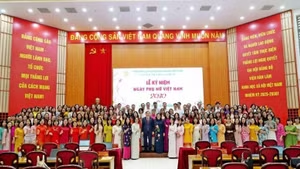
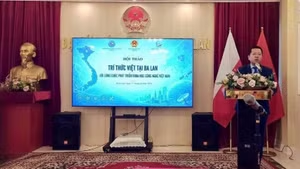
The event was organised by the Department of Science and Technology under the Ministry of Agriculture and Environment, in collaboration with the International Centre for Interdisciplinary Science and Education and the Institute of Biology.
The workshop, part of the international conference titled “Frontiers in Genome Engineering 2026,” brought together more than 100 delegates, including scientists and experts from regulatory agencies, research institutes, universities, businesses and other domestic and international organisations.
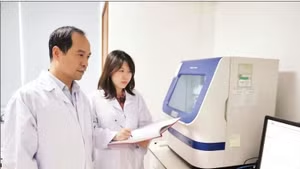
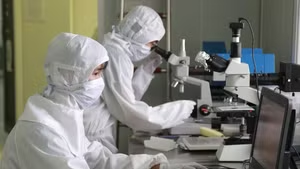
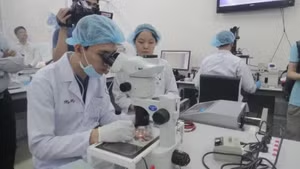
It aimed to update participants on the latest advances in research and applications of gene-editing technologies, share international regulatory experience and review Viet Nam’s current rules.
The event also helped strengthen links between regulatory agencies, the research community and businesses, laying the groundwork for refining the legal framework and accelerating the practical application of research findings.
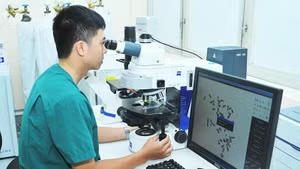
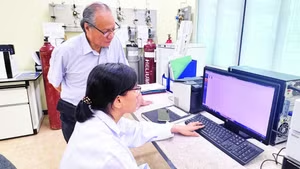
At the workshop, delegates noted that gene editing is opening new opportunities for agriculture. By enabling precise modifications to genomes, it supports the development of crop varieties, livestock breeds and aquatic species with better disease resistance and greater tolerance to drought, saltwater intrusion and high temperatures.
The technology can also boost productivity and resource-use efficiency, enhance nutritional quality and extend shelf life, helping agriculture adapt to climate change, safeguard food security and advance sustainable development.
Delegates observed that research into and applications of gene-editing technologies are advancing rapidly worldwide and becoming increasingly diverse. The field is expanding beyond crops to cover livestock, aquaculture and microorganisms.
Many solutions are being developed to meet the needs of producers, markets and consumers, from more resilient crops and lower post-harvest losses to better nutrition and product quality.
Countries worldwide are establishing and refining risk-management frameworks for gene-edited products. The prevailing trend is to assess products by their final characteristics rather than solely by the methods used to create them.
Under this approach, gene-edited products that contain no foreign DNA and have characteristics similar to those of conventionally bred counterparts are not subject to the stringent regulations governing genetically modified organisms.
This model ensures safety while creating favourable conditions for research, innovation and commercialisation to advance faster and with greater transparency and predictability.
In Viet Nam, biodiversity legislation has begun to establish a regulatory approach to gene-edited organisms.
This includes a mechanism allowing organisations and individuals to independently assess whether their products contain foreign DNA and report the findings to state regulators.
This arrangement broadly aligns with regulatory trends in many other countries.
However, once the self-assessment and reporting procedures required by biodiversity legislation have been completed, the rules on testing, recognition and commercial release of gene-edited varieties under sector-specific laws still require clarification.
In this context, the workshop examined how to develop a clear, science-based regulatory mechanism that is proportionate to risk and flexible enough to keep pace with rapid technological advances.
Such a mechanism would help Viet Nam adopt scientific breakthroughs, promote cooperation and technology transfer, and bring domestic research results to market sooner, bolstering agricultural production.