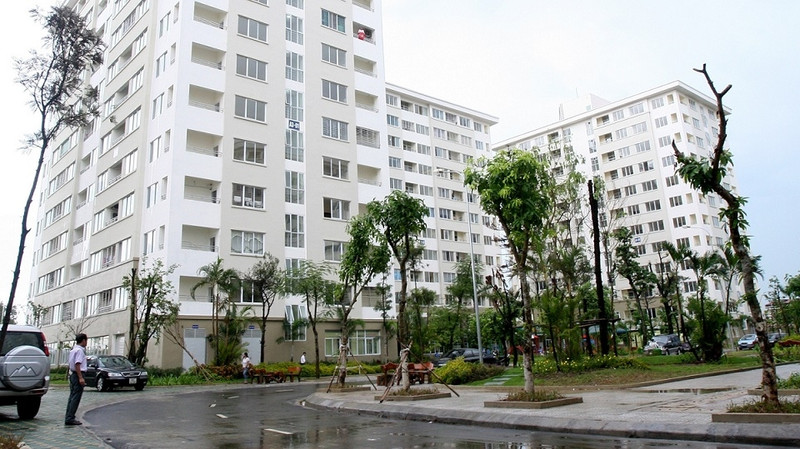
The report says rapid urbanisation is driving population growth and new demand for housing in cities but Vietnam still has a substantial deficit of quality housing.
The WB predicts that the share of the urban population will reach 50% by 2040 with an estimated 374,000 additional units needed in cities each year to cope with demand.
It estimates that regions surrounding the two major economic hubs of Hanoi and Ho Chi Minh City will account for about two thirds of the new housing demand.
The report recommends that Vietnam develop an affordable national housing programme to include initiatives designed to improve access to housing finance and stimulate the supply of affordable rental housing.
The WB also calls for regulatory reforms to encourage greater participation of the private sector in housing provisions and focus on programmes that support and target the lowest income earners and high growth cities.
The Bank notes that an adequate supply of affordable housing will be integral to achieving national development targets and enabling Vietnam to maintain high growth, with cities contributing a growing share of jobs and economic output.
In 2012 Vietnam launched a VND30 trillion (US$1.32 billion) loan package to help reorient developers and lenders towards the affordable housing market where there are real home ownership needs.
This year, the National Assembly passed a revised Housing Law which provides a strong legal framework for reforms which will address the shortage of affordable rental housing, especially for workers and industrial zones and students.