From fruit gardens to a multi-value economic model
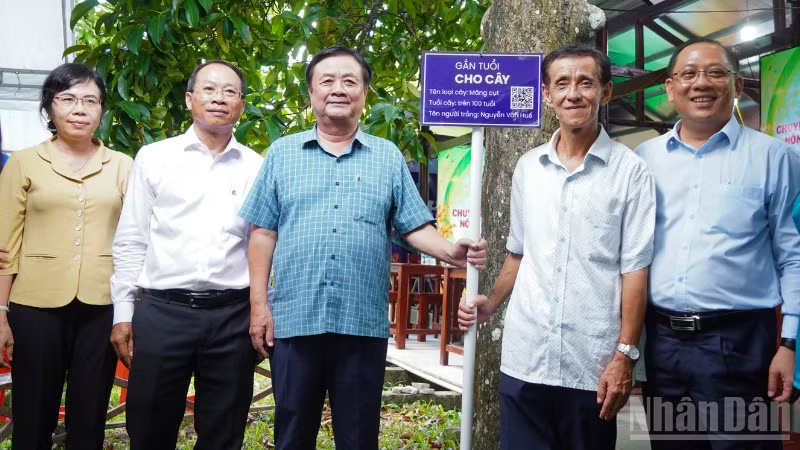
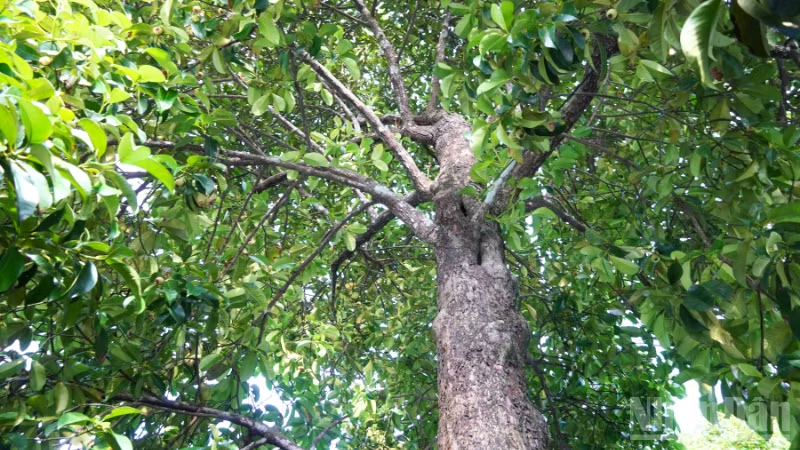
With 2.3 hectares of fruit trees, including more than one hectare of 40-year-old mangosteen trees, Nguyen Van Tan, a farmer in Thanh Xuan commune, Can Tho city, previously relied mainly on agricultural production for his income. Each year, his mangosteen garden yields more than 15 tonnes of fruit, generating profits of around 300 million VND.
In recent years, however, Tan has stopped focusing solely on productivity. His family has gradually adopted greener, cleaner, and organic farming practices while redesigning the garden to develop eco-tourism.
During the mangosteen season, which runs from April to August, visitors can come to the garden to enjoy fresh fruit, sample dishes made with mangosteen, and take boat trips through the orchard. The model generates an additional income of around 15–20 million VND per month for his family.
Tan’s family illustrates a new approach: the value of agriculture lies not only in the volume of produce harvested but also in experiences, services, local culture, and the ecological landscape.
According to Tran Chi Hung, Vice Chairman of the Can Tho City People’s Committee, agriculture remains one of the key pillars of the economy, helping to ensure food security while providing stability for people’s livelihoods. However, new development requirements mean that the agricultural sector must change its approach.
Rather than focusing solely on what crops to grow or what livestock to raise to maximise yields, producers need to pay greater attention to quality, added value, market demand, branding, and supply-chain integration. The traditional approach of “farming” is therefore gradually giving way to a mindset of “agricultural business.”
Nguyen Van Su, Chairman of the Can Tho City Farmers’ Union, said farmers have long focused on how to produce more. Meanwhile, the market is increasingly demanding high-quality products with clear origins, established brands, and greater levels of processing.
According to Su, high productivity is no longer the sole factor determining production efficiency. Farmers must calculate input costs, maximise profits, understand market signals, and proactively organise production in line with consumer demand.
One important change is the shift from small-scale, monoculture farming towards cooperation and integrated production. By joining co-operative groups and co-operatives, farmers can expand their operations, achieve sufficient output to secure contracts with businesses, and more readily adopt scientific and technological advances.
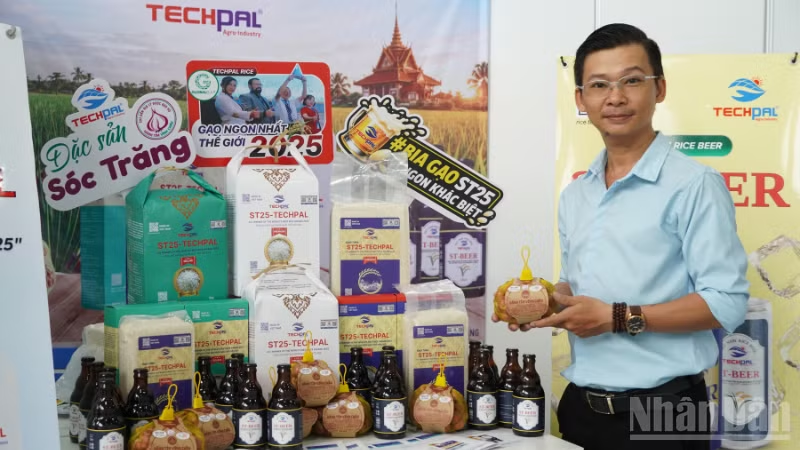
The ultimate goal is not simply to produce agricultural goods but to create higher-value products that can compete in the market.
To change mindsets shaped over many years, the Can Tho City Farmers’ Union has identified communication and outreach as crucial. Farmers need to gradually change their production habits, moving beyond reliance on experience alone to incorporate data, technology, and market information into their production decisions.
Technology as key enabler
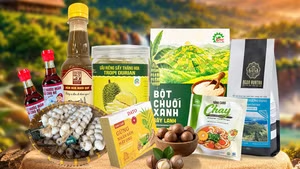
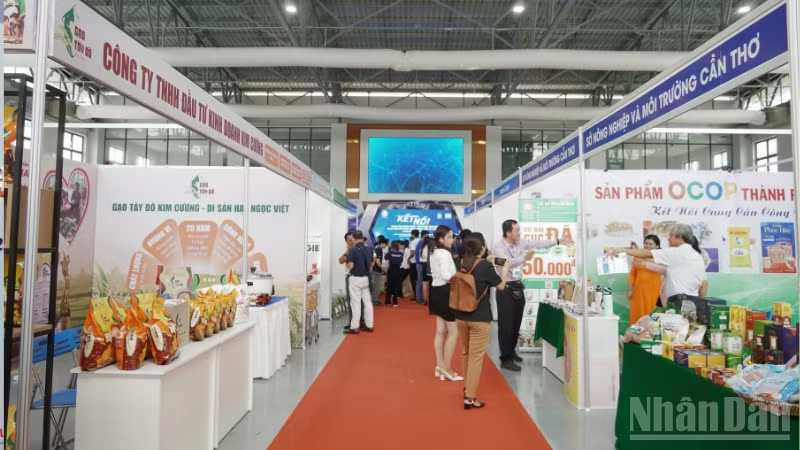
As a core urban centre of the Mekong Delta, Can Tho city is promoting the application of scientific and technological advances in high-tech agriculture, agro-aquatic product processing, and the development of key agricultural products and products under the One Commune One Product (OCOP) programme.
In this process, traceability has been identified as an important link. Key agricultural products and OCOP products are gradually being standardised through identification numbers, barcodes, electronic labels, and digital platforms.
However, the city also acknowledges that links between technology supply and demand remain limited, while co-operation among scientists, research institutes, universities, businesses, and producers is not yet sufficiently close.
As a result, the shift from traditional production to smart agriculture based on data and technology is no longer merely an experimental option; it has become an urgent necessity.
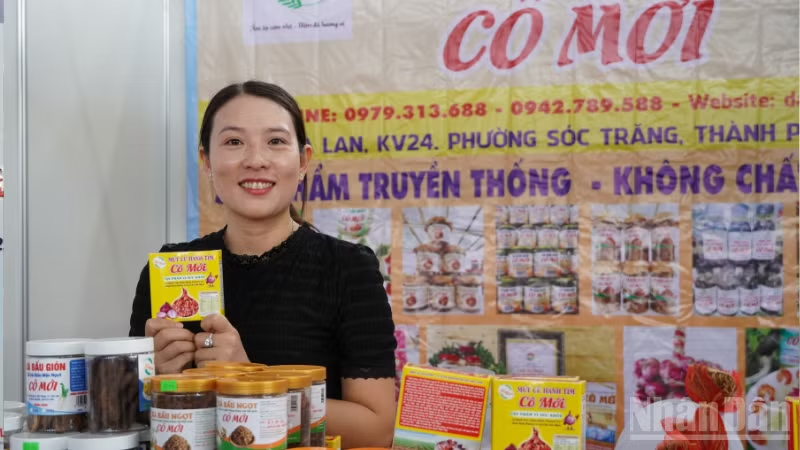
Can Tho currently has 903 OCOP products from 454 participating entities rated three stars or higher. Under its 2026 plan, the city aims to recognise at least 103 additional products rated three stars or higher, secure five-star ratings for a further three products and upgrade at least 20% of existing three-star products to four stars.
Particular emphasis will be placed on “Green OCOP”, linking product development with environmental protection and the preservation of rural cultural values. The city also plans to accelerate the digitalisation of product assessment and classification, support livestream sales, improve packaging, facilitate intellectual property registration, and promote the use of traceability systems.
According to Nguyen Phuong Tuan, Deputy Chairman of the National Assembly’s Committee on Science, Technology and Environment, Can Tho needs to step up technology transfer to provide a foundation for the development of key agricultural products and OCOP products.
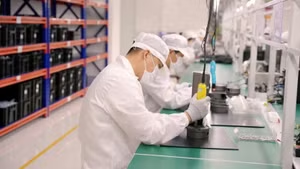
The key is to ensure that technology responds to actual market needs and is then transferred from laboratories, research institutes, and universities to businesses and co-operatives. Producers need to invest more boldly in post-harvest technology, deep processing, and bio-based packaging to increase product value and gradually gain access to international markets, rather than relying primarily on exports of raw materials or informal cross-border trade.
At the same time, traceability needs to be understood as more than simply attaching electronic labels to products. When data are connected from growing areas to consumers’ tables, production and distribution become more transparent, thereby improving the management of agricultural value chains.
From a mangosteen garden combined with eco-tourism to OCOP products that are digitally managed, traceable, and deeply processed, these models demonstrate a clear shift underway in Can Tho’s agricultural sector.
The transition is from the goal of “producing more” to “creating greater value”; from individual production to co-operation; and from selling raw materials to developing products, brands and markets. This change will not happen overnight, but it is a necessary step towards strengthening the competitiveness of Can Tho’s agricultural sector and creating more sustainable livelihoods for local people in the years ahead.