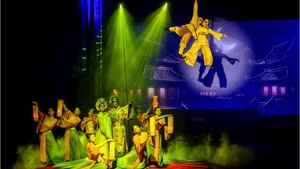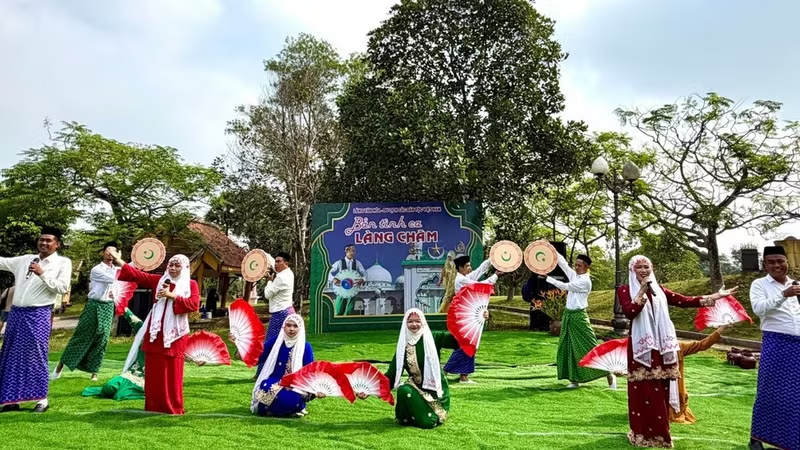
The activities are a highlight of a series of October events themed “Colours and Fragrances of the Great Forest”, organised by the Ha Noi Department of Culture, Sports and Tourism in coordination with the An Giang Provincial Department of Culture, Sports, and Tourism.
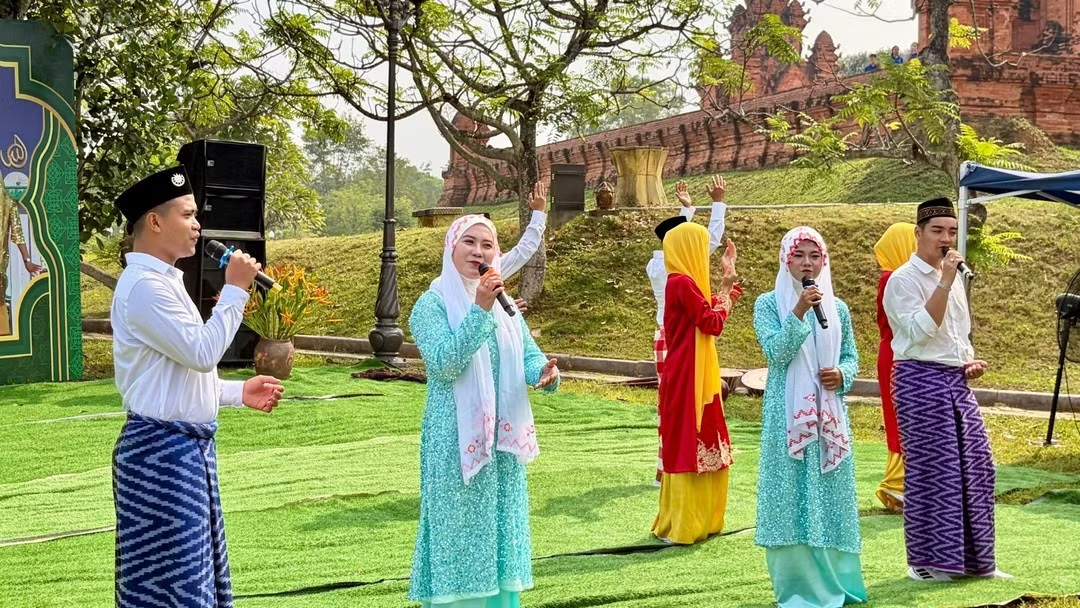
Featuring artisans, respected community members, individuals well-versed in the culture, and amateur performers from An Giang Province, the programme introduces the traditional cultural values of the Cham Islam community to people of the capital, as well as domestic and international visitors.
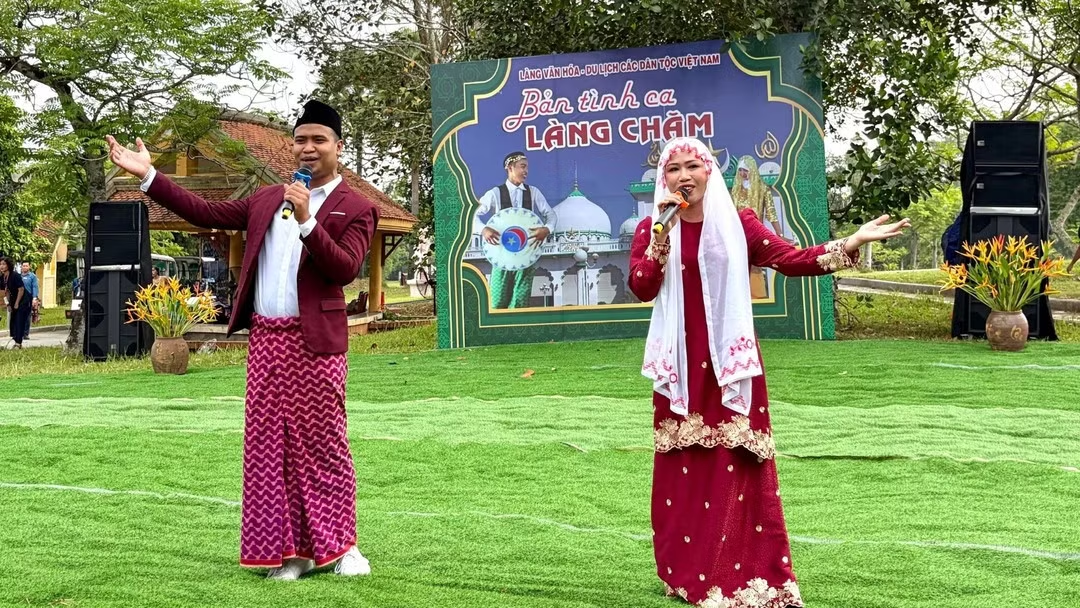
In the south-western region of Viet Nam, along the gentle Hau River, the Cham Islam community in An Giang has developed and preserved distinctive cultural traditions. Its language, script, clothing, customs, practices, and religious principles are deeply woven into everyday life, shaping the community’s identity across generations.
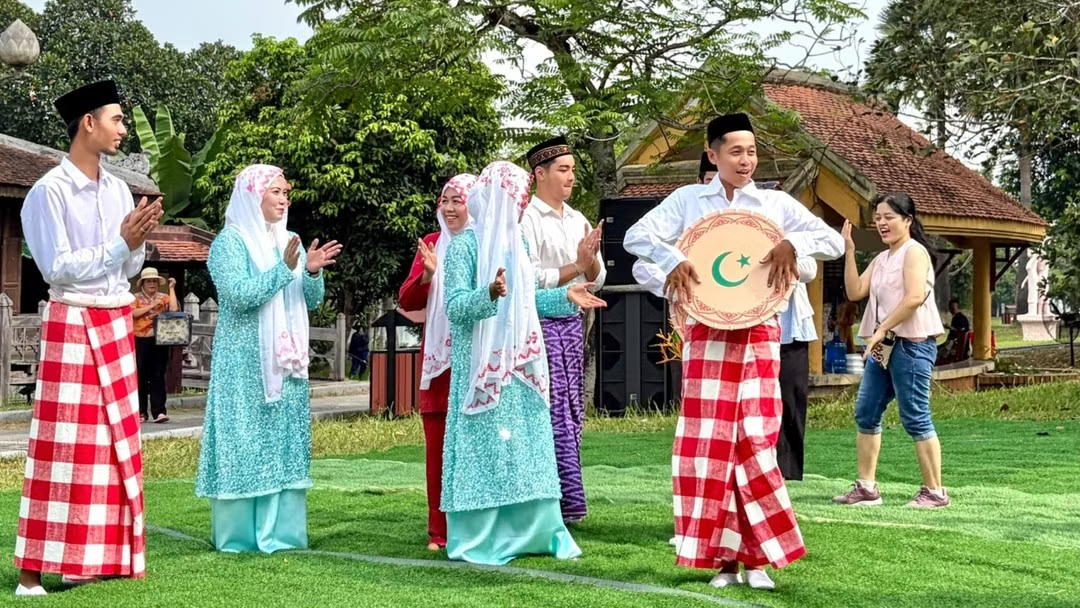
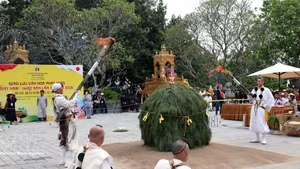
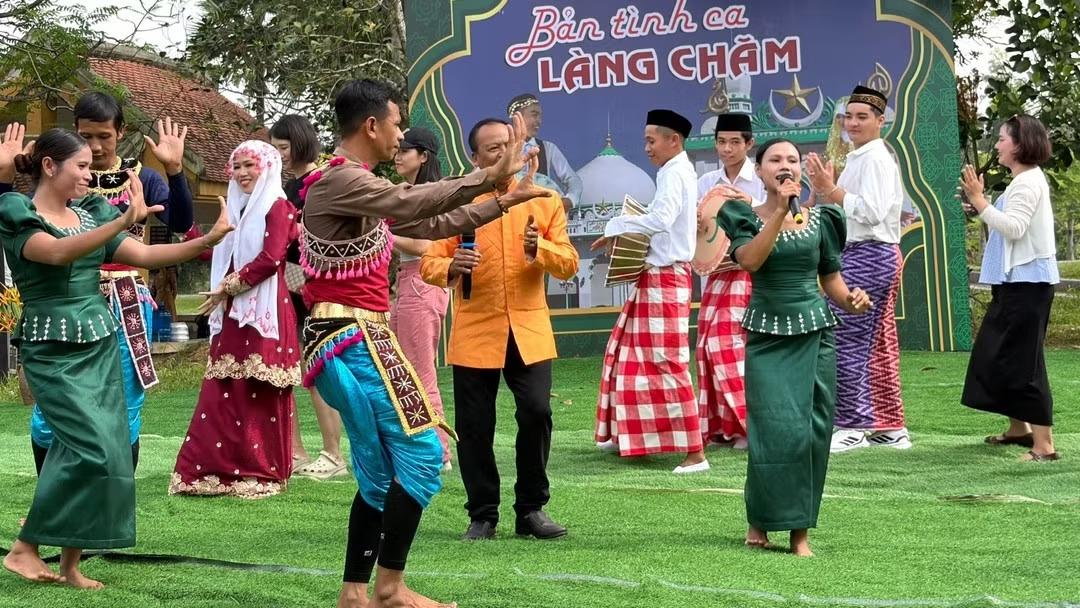
Over the weekend, visitors to the Cham Ethnic Village within the Viet Nam National Village for Ethnic Culture and Tourism can explore the distinctive cultural traditions of the Cham Islam community in An Giang through the “A Love Song of the Cham Village” exchange programme.
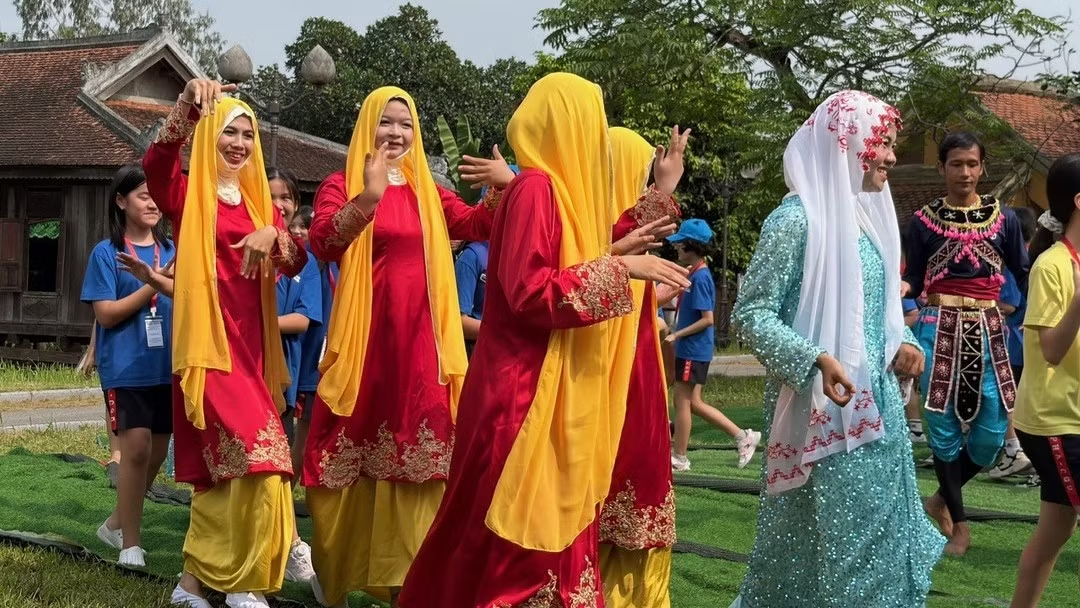
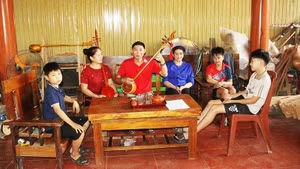
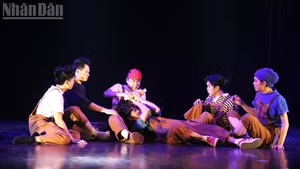
Performances reflecting the community’s distinctive cultural identity create a space for communities to meet and share experiences, while helping visitors gain a deeper understanding of the spiritual life of the Cham people. The programme runs from 9am to 10.30am and from 2.30pm to 4pm on October 24, and from 2.30pm to 4pm on October 25.
Within the Cham Islam cultural space, visitors can learn about traditional house architecture, the art of hand-weaving traditional textiles, and traditional clothing.
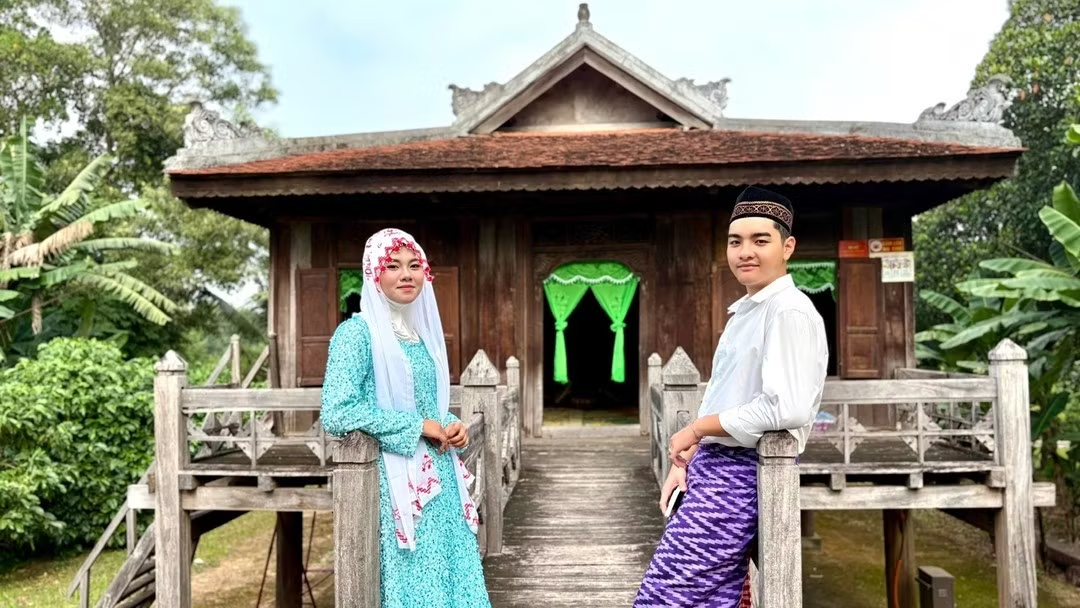
The Maspok headscarf, together with distinctive traditional outfits, reflects the community’s particular way of life and aesthetic values.
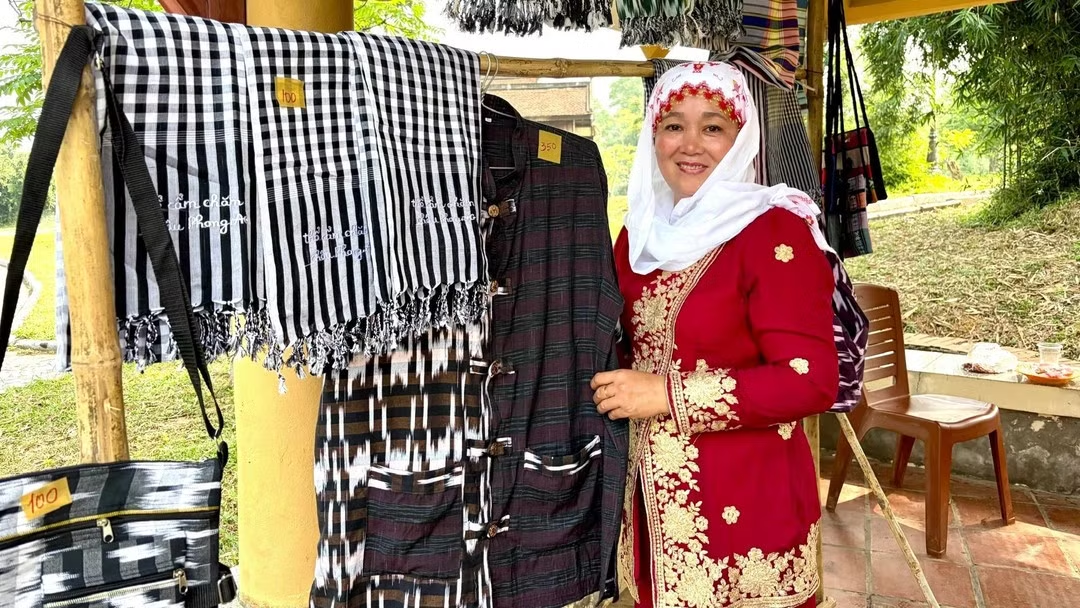
Cuisine is another distinctive feature of the Cham Islam community’s life in An Giang. Local specialities such as curry and beef sausage, along with traditional cakes offer the characteristic flavours of southern region.
Artisans guide visitors in preparing several traditional cakes, such as ha-ka-ling and ha-pay-ka-rah, allowing them to discover the culture through hands-on experiences. From the ingredients and preparation methods to the stories shared by those who make the dishes, each culinary experience offers insights into local folk knowledge and customs.
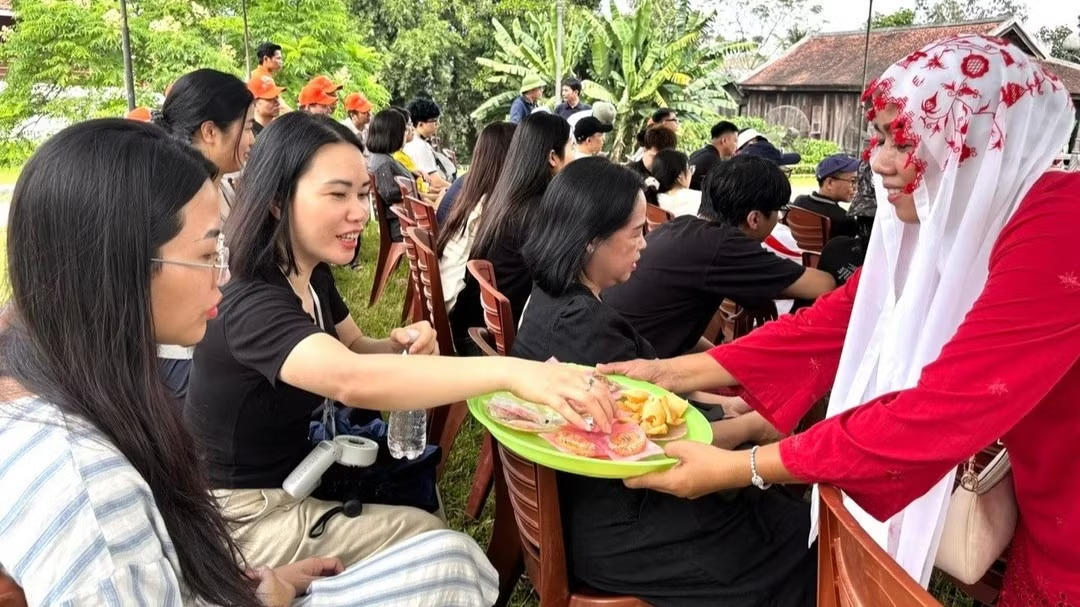
Through art exchanges and hands-on activities held over the weekend, the Cham Islam community in An Giang has an opportunity to share its traditional values, knowledge, and cultural practices.
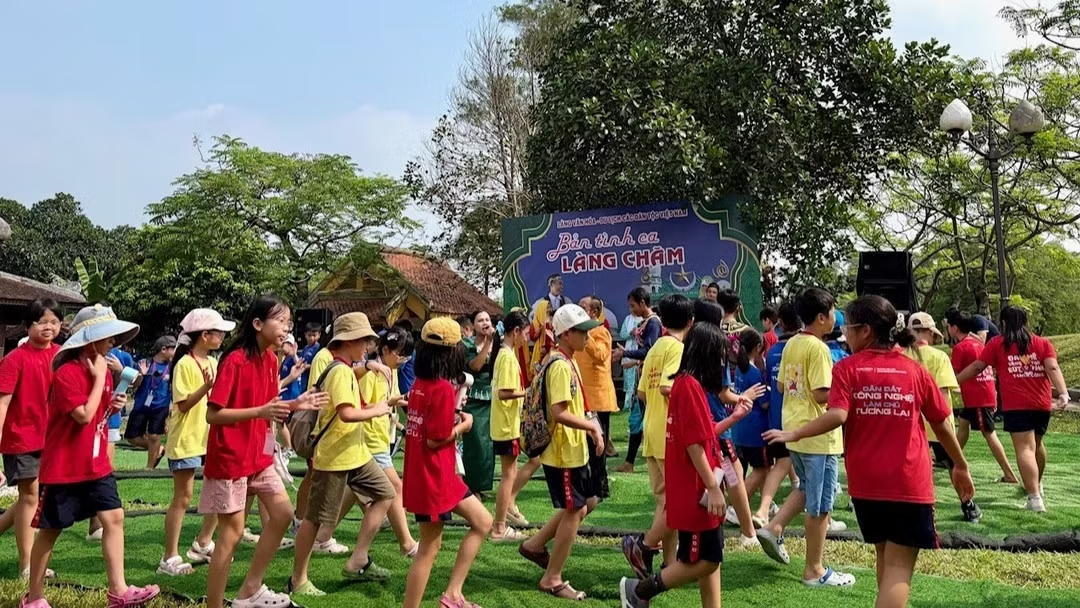
The meeting between the Cham Islam community and visitors at the Viet Nam National Village for Ethnic Culture and Tourism enriches the cultural discovery experience and fosters greater appreciation of the distinct identities of the communities within the great family of Vietnamese ethnic groups.