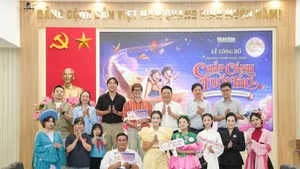
The programme was implemented under Programme No. 02/CTr-UBND dated January 9, 2026 of the Ha Noi People’s Committee on investment, trade and tourism promotion in Ha Noi in 2026.
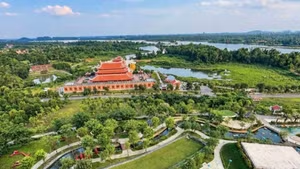
The Viet Nam National Village for Ethnic Culture and Tourism is a special national cultural institution, where the cultural identities of the 54 ethnic groups are brought together, preserved and honoured. Covering an area of approximately 1,544 hectares and comprising seven functional areas, the Viet Nam National Village for Ethnic Culture and Tourism is located within the landscape of Dong Mo Lake and has favourable conditions for promoting cultural values and becoming a cultural tourism destination of Ha Noi.
From July 1, 2026, under Decision No. 1093/QD-TTg dated June 17, 2026 of the Prime Minister, the Viet Nam National Village for Ethnic Culture and Tourism became a public service unit under the management of Ha Noi. Located approximately 40km from the city centre and connected via Thang Long Boulevard, National Highway 21 and National Highway 32, the Cultural Village has been identified as having favourable conditions to become an important link in the West Lake-Ba Vi development axis and the capital’s “Spiritual green arc” space.
Over the years, the Viet Nam National Village for Ethnic Culture and Tourism has maintained activities involving 16 ethnic community groups from various localities, recreating the cultural life, architecture, customs and practices of different ethnic groups. Every year, the site welcomes more than 70 visits by ethnic communities, more than 1,000 ethnic minority people and around 200 artisans and small traders from more than 50 localities to participate in cultural activities. The Village also organises nearly 80 cultural and tourism programmes and events annually, recreating more than 20 traditional festivals; the average number of tourists is approximately 600,000 per year.
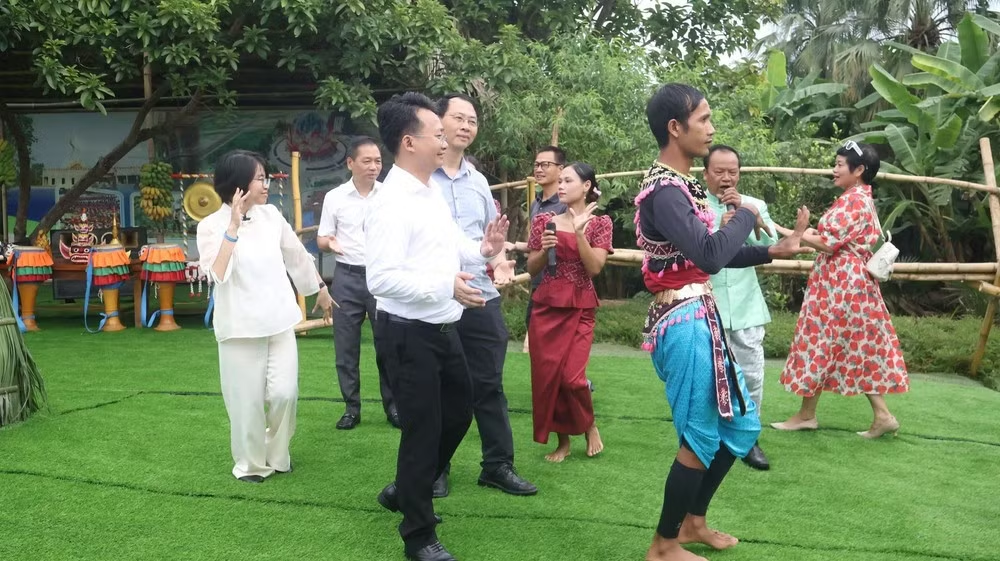
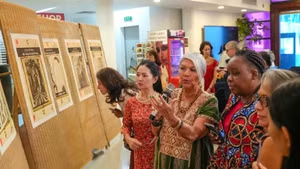
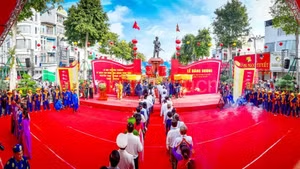
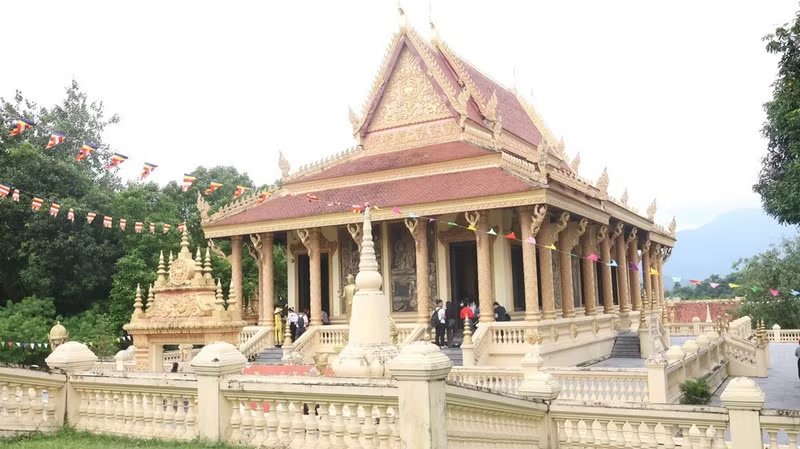
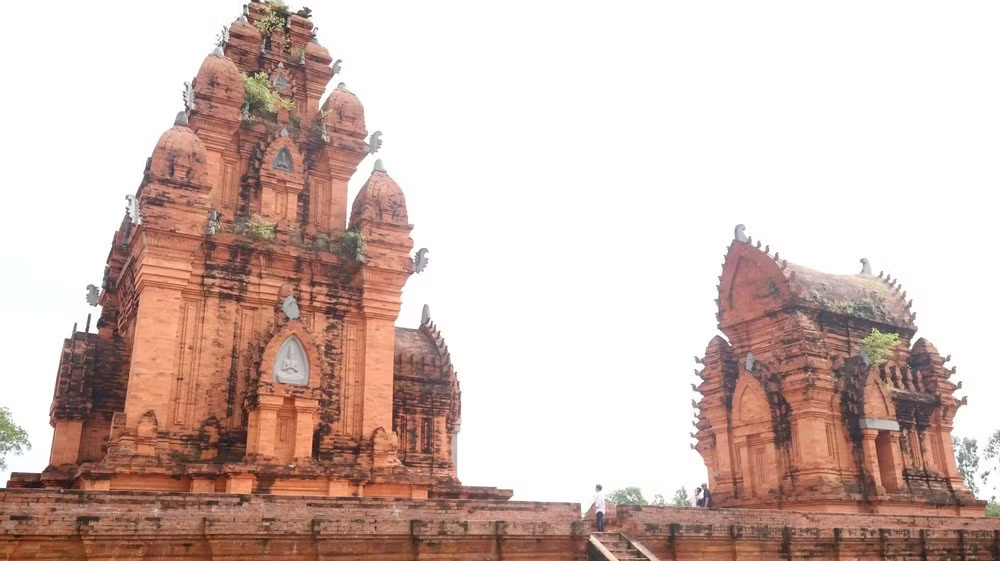
Building on these foundations, the requirement is to continue transforming preserved and recreated cultural values into attractive tourism products and creating more experiences for visitors. During the survey programme, the delegation directly experienced many typical spaces, such as the Ancestor Worship Ritual Area - the place of worship of the Hung Kings, the Tay ethnic village, the Ta Oi ethnic village, the Khmer pagoda complex, the Cham tower complex, the Khmer ethnic village, the Lake-on-the-Mountain landscape area and the Creative Camp accommodation area.
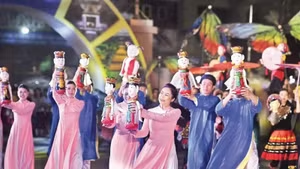
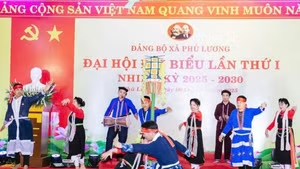
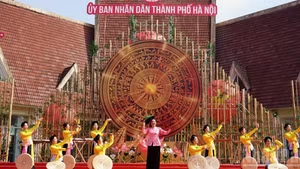
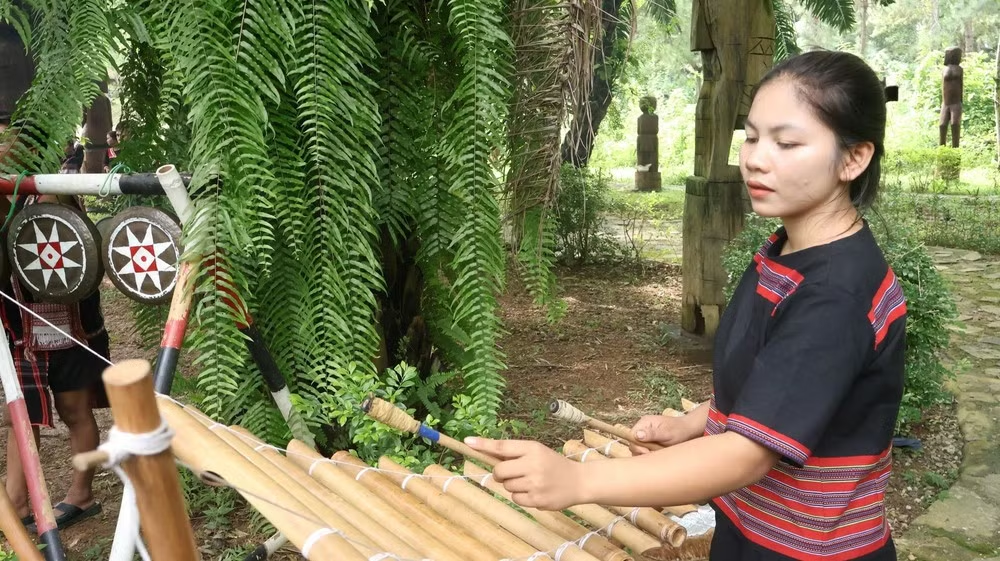
Notably, cultural values are introduced not only through architecture but also connected with music, customs, folk games and experiential activities. From Then singing and the echoes of gongs to the rhythm of Lam-vong and the distinctive cultural features of ethnic communities, visitors have opportunities to listen, observe, participate and experience them directly.
The goal is to develop the Viet Nam National Village for Ethnic Culture and Tourism into the nucleus for forming the “Western Tourism-Cultural Industry Growth Pole of the Capital”, linking culture, tourism, cultural industries, services, the green economy and the development of the Ba Vi-Son Tay area. By 2030, the Cultural Village aims to welcome approximately 1-1.2 million visitors, of whom international visitors will account for around 5%; at the same time, it aims to be recognised as a national tourism area during the 2030-2035 period.
Through the survey and promotion programme, the aim is to link conservation with development, turn culture into a resource for tourism, promote the cultural values of Viet Nam’s 54 ethnic groups and strengthen linkages between the Cultural Village and Ha Noi’s system of destinations, businesses and tourism products. Thereby, the Viet Nam National Village for Ethnic Culture and Tourism will gradually enhance its appeal and position on the capital’s tourism map, becoming a distinctive cultural experience destination where domestic and international visitors can explore “a miniature Viet Nam” in the heart of Ha Noi.