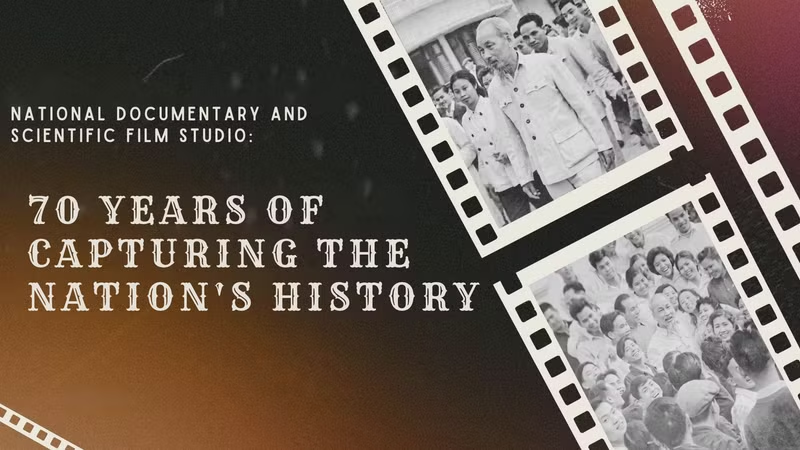
Across generations of filmmakers, this journey has built a rich cinematic legacy of historical, artistic, and humanistic value, preserving the nation's collective memory through moving images.
From the battlefields to the world in early years
On March 15, 1953, in the Viet Bac revolutionary base, President Ho Chi Minh signed Decree No. 147/SL, laying the foundations for Viet Nam's revolutionary cinema. In 1956, the Newsreel and Documentary Film Studio was separated from the Viet Nam Film Studio to become an independent entity, marking the beginning of what is now the National Documentary and Scientific Film Studio (DFS).
Despite severe shortages of equipment and machinery in its early years, the studio quickly established its organisational structure and embarked on creative production with great enthusiasm. It produced up to 25 newsreels and documentary reports annually, reflecting efforts to restore the economy, build socialism, and promote patriotic emulation movements.
Films such as “Nuoc ve Bac Hung Hai” (Water Comes to Bac Hung Hai), “Duoi co quyet thang” (Under the Determined-to-Win Military Flag), and “Chong han” (Combating Drought) captured the spirit of national reconstruction and the people's determination to overcome hardship. Emulation movements such as “Duyen Hai Waves”, “Dai Phong Winds”, and “Three Best Flag” were brought to the screen, making the achievements of localities and collectives widely known and helping inspire millions of people to take part in emulation campaigns.
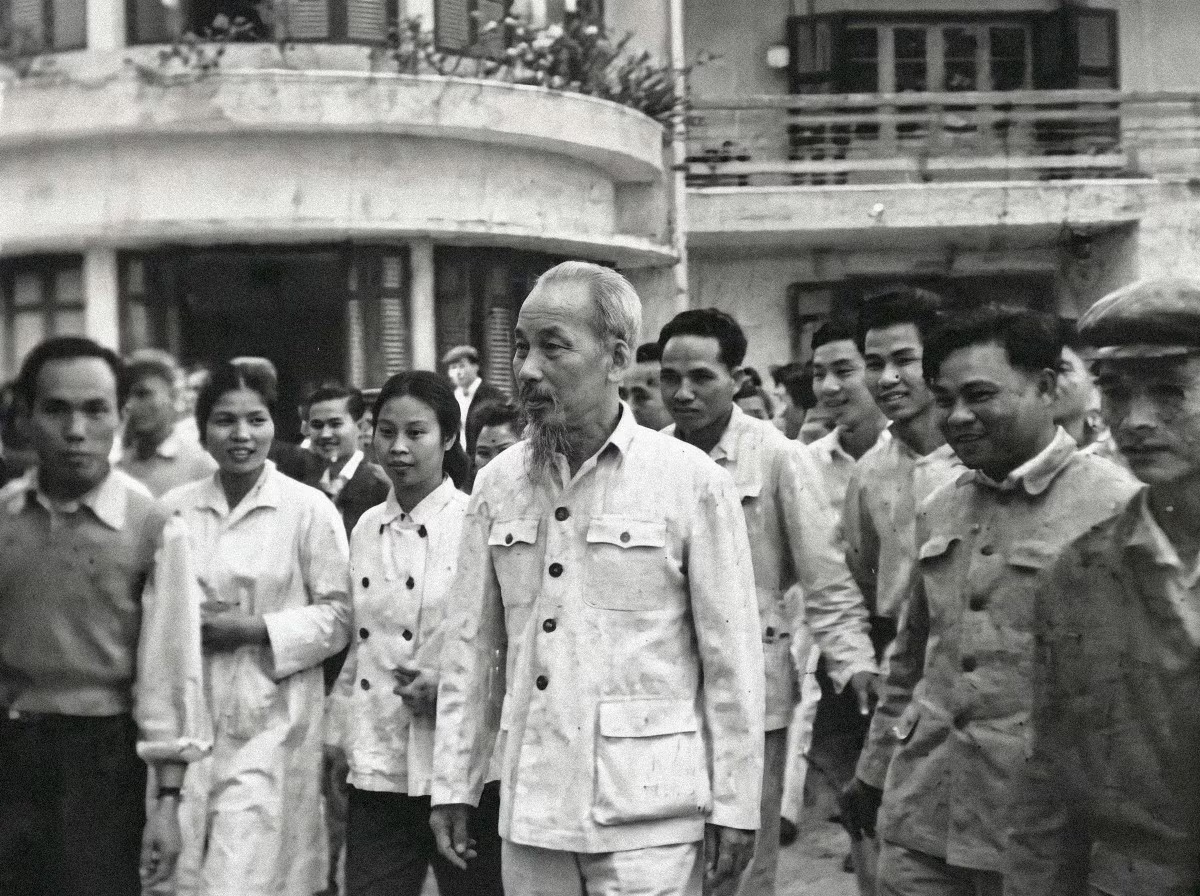
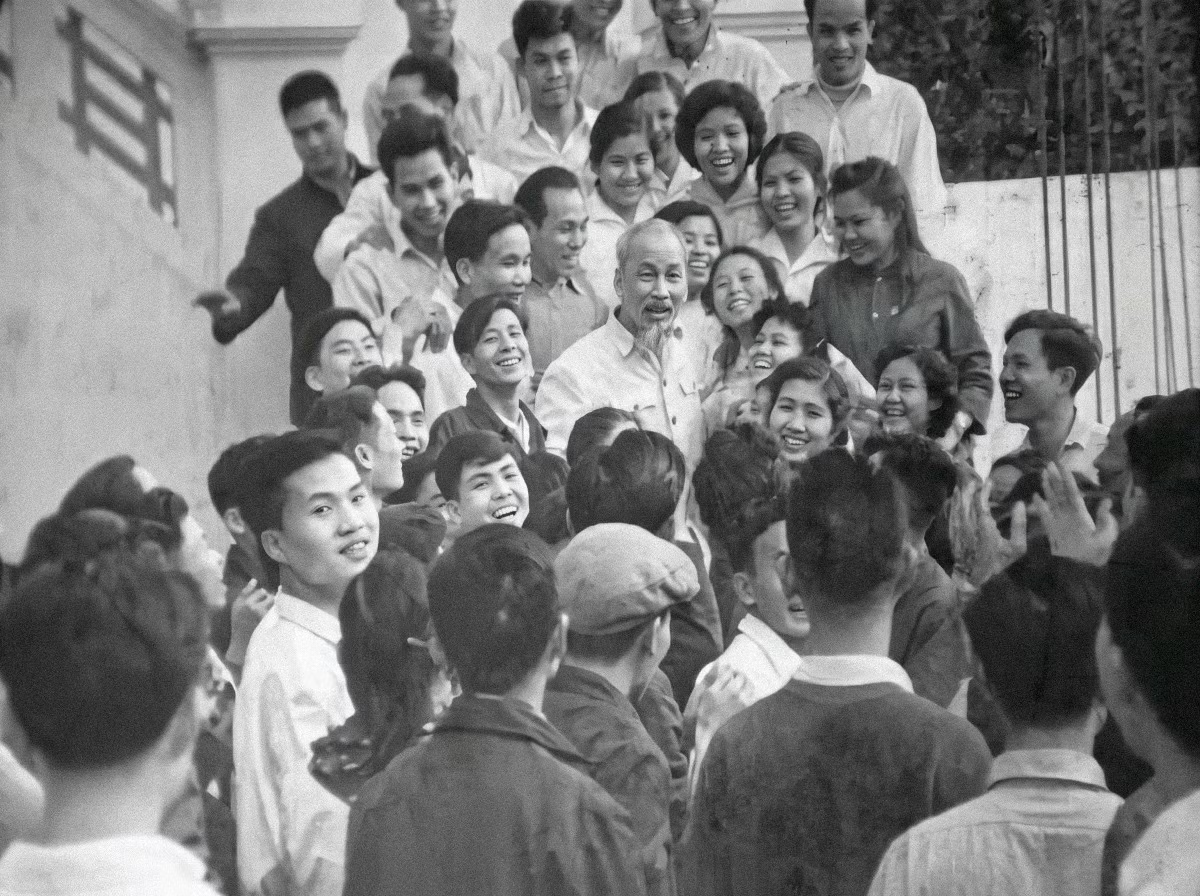
The years 1956 and 1957 also saw the release of films including “Lam cho lua tot” (Improving rice growth), “Giu suc khoe de san xuat” (Staying healthy for production), “Benh sot ret” (Trachoma and Malaria), which formally laid the foundations for scientific educational filmmaking in Viet Nam. Born out of practical needs, these two genres established the studio's long-term direction: filmmaking closely connected to everyday life and the interests of the people and the nation.
When the country entered the resistance war against the US, documentary and newsreel filmmakers became soldiers on the battlefields, armed with cameras. They were chroniclers of history through moving images. To meet the needs of the southern frontline, successive groups of filmmakers from the Newsreel and Documentary Film Studio crossed the Truong Son mountain range to reach the battlefields, reinforcing the film units of Military Region 5, Liberation Cinema, and even Lao Cinema.
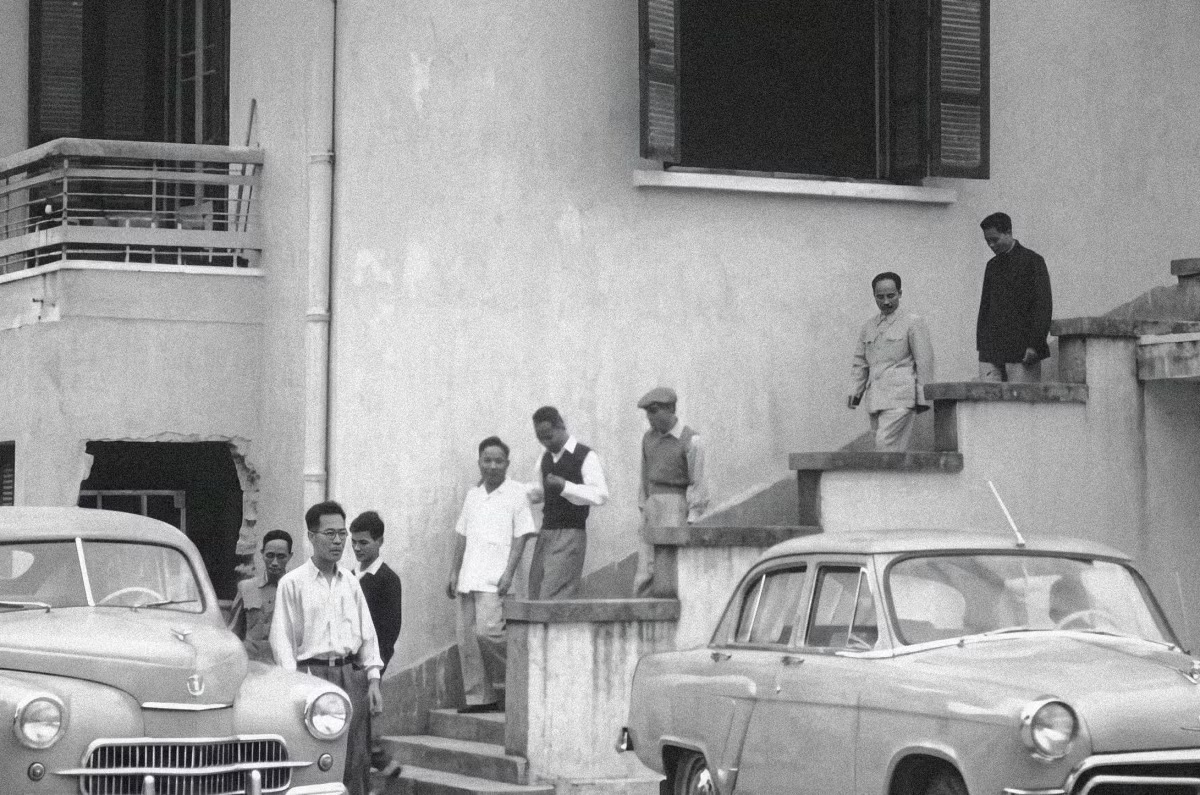
Outstanding documentaries from this period portrayed the patriotism and indomitable spirit of the Vietnamese people in their struggle to defend the Fatherland, including “Anh Nguyen Van Troi song mai” (Nguyen Van Troi Lives Forever) and “Mo duong Truong Son” (Opening the Truong Son Trail). Notably, the films “Dau song ngon gio” (At the Crest of the Storm) and “Luy thep Vinh Linh” (Vinh Linh Steel Ramparts) won gold medals at the Moscow International Film Festival in 1967 and 1971, respectively.
Meanwhile, “Nhung co gai Ngu Thuy” (The Girls in Ngu Thuy) attracted considerable international attention, with numerous overseas television broadcasters purchasing the film. These works helped international audiences better understand Viet Nam's resistance struggle, thereby fostering sympathy and support for the Vietnamese people. At the same time, scientific films became a pioneering force in the field of science and technology, disseminating scientific knowledge to improve people's lives.
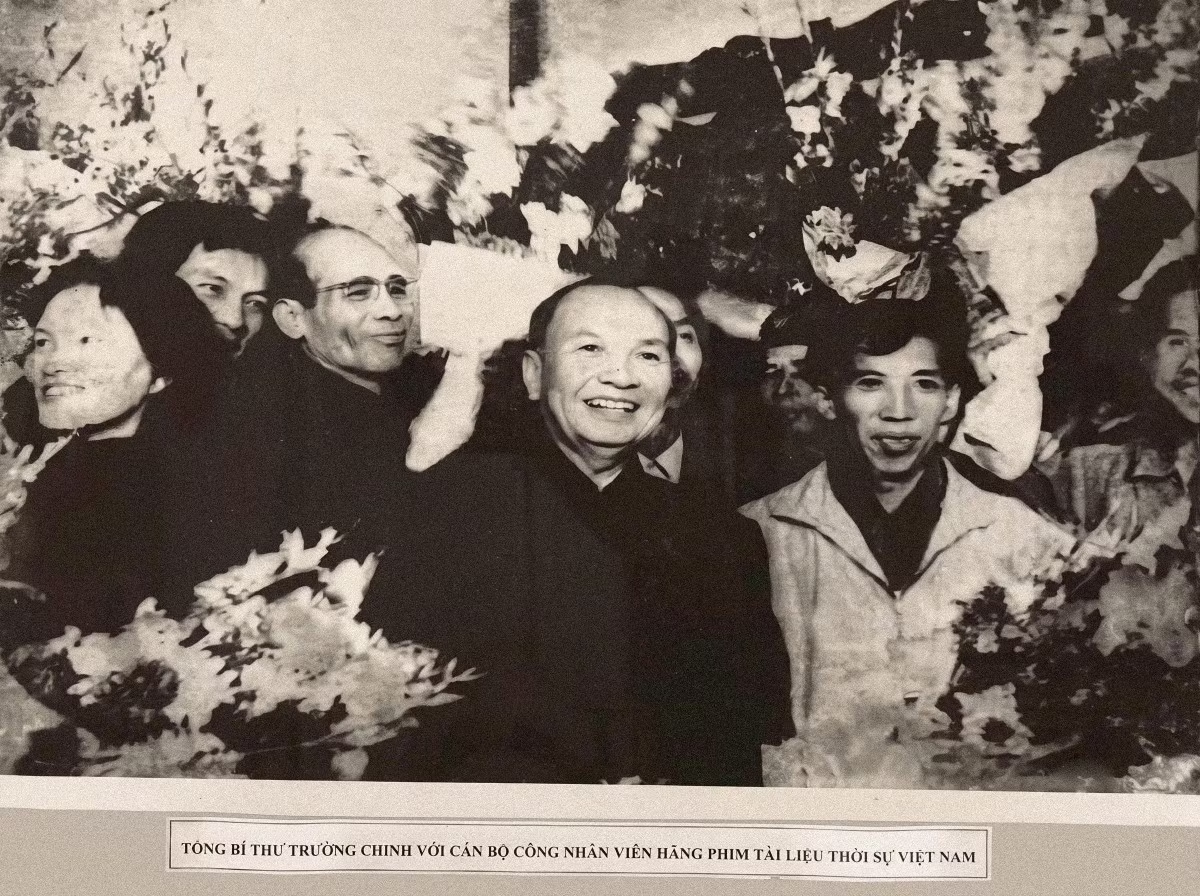
On the frontlines, this invaluable footage came at the cost of immense effort, blood, and even the lives of courageous filmmakers. Eight members of the studio's staff and filmmaking teams sacrificed their lives, leaving behind precious historical footage and an enduring example of dedication and courage that subsequent generations continue to cherish and remember.
Evolving with the nation and reflecting contemporary life
Following national reunification, the studio's filmmakers travelled to every corner of the country to capture the spirit of labour, reconstruction, and efforts to heal the wounds of war. On February 22, 1982, the studio was renamed the Central Documentary and Scientific Film Enterprise.
As production steadily expanded, reaching as many as 80 films in some years, the studio produced a series of notable works, including “Duong day len song Da” (Power Lines to the Da River), “Mot phan 50 giay cuoc doi” (One-Fiftieth of a Second of Life), “Tieng no dinh huong” (Directional Explosion), “Canh kien do” (Red Lac Insects), “Ha Noi trong mat ai” (Ha Noi through whose eyes?), and “Chuyen tu te” (The Story of Kindness).
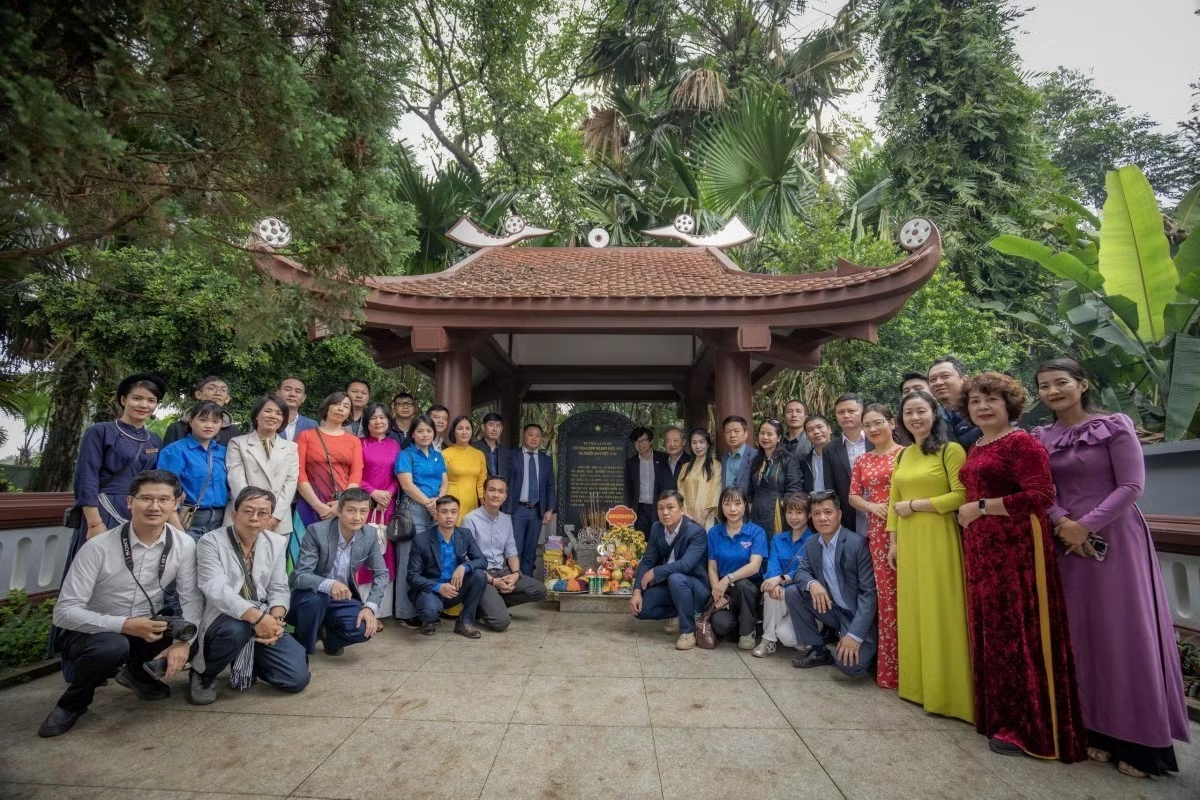
The organisation officially adopted the name National Documentary and Scientific Film Studio on March 30, 1989. As Viet Nam embarked on its Doi Moi (Renewal) process, the studio faced harsh realities: the gradual withdrawal of state subsidies, increasingly outdated equipment, declining film production and the retirement of veteran filmmakers. Refusing to fall behind, however, the studio revitalised its operations and swiftly embraced video production technology.
On February 18, 1998, the studio adopted the model of a state-owned public service enterprise. It actively encouraged its creative teams to explore new filmmaking styles, helping numerous works secure major awards at international film festivals. Notable examples include “The Story of Kindness”, “Tieng vi cam o My Lai” (The sound of the violin in My Lai), “Noi chien tranh da di qua” (Where the war has passed), “Tro lai Ngu Thuy” (Return to Ngu Thuy), “Chi Nam khung” (Mad Sister Nam), “Vi cuoc song binh yen” (For a peaceful life), “Nhung neo duong cong ly” (Paths of Justice), and “Chon que” (The Homeland).
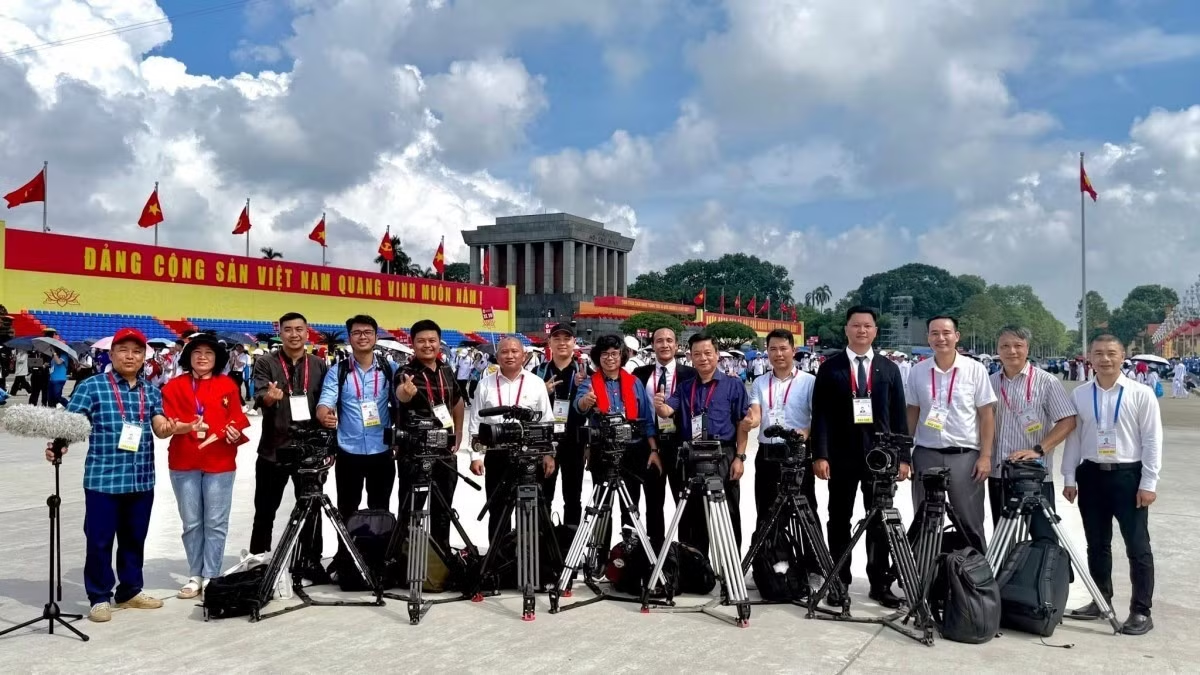
From 2010, the studio was restructured as the National Documentary and Scientific Film Studio One-Member Limited Liability Company. Since then, it has operated effectively under an autonomous enterprise model while successfully fulfilling the political tasks assigned by the Party and State. The studio also received state investment in HD/4K digital production facilities and a modern cinema.
During this period, film production recovered strongly. The number of films commissioned annually by the Ministry of Culture, Sports and Tourism under its production plans rose from 15–20 to 30–35. Commissions from central ministries, departments and agencies accounted for a further 15–25 films each year, notably including documentaries about veteran revolutionary leaders and productions marking major national holidays and anniversaries. Many of these films received prestigious awards at film festivals.
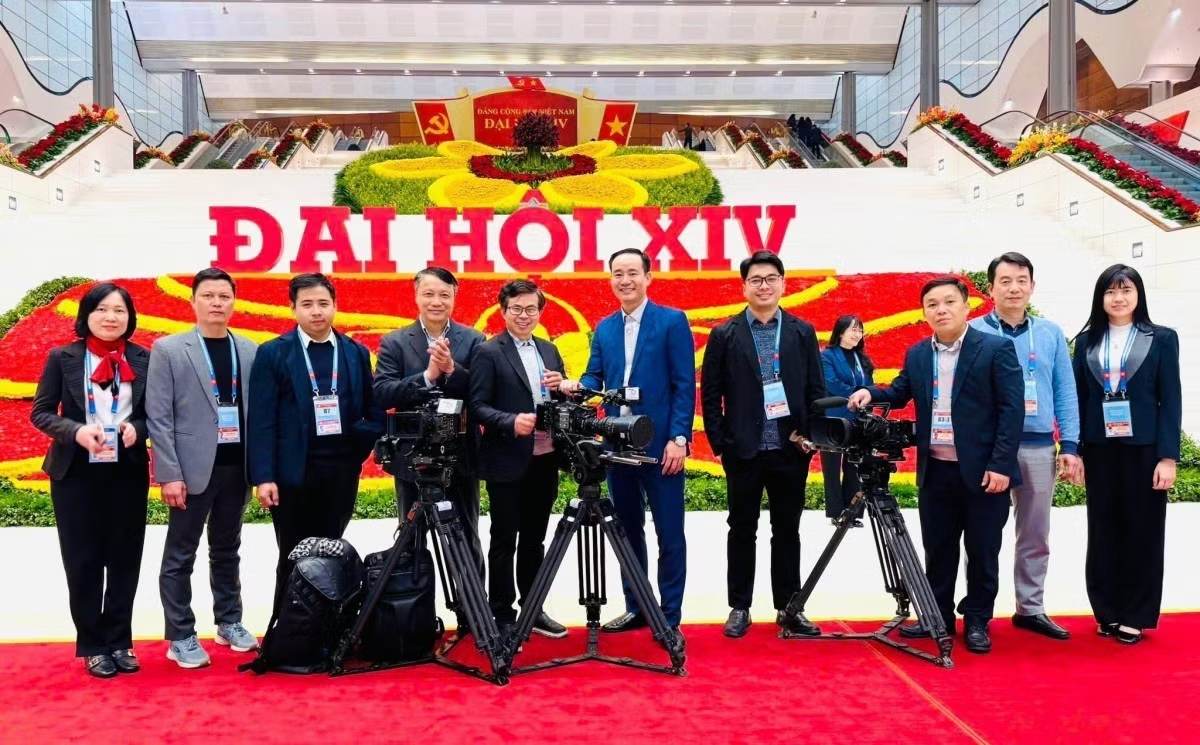
Alongside film production, the studio has continued to document major political, economic, and social events, including successive National Party Congresses, National Assembly elections, meetings of the Party Central Committee, National Assembly sessions, overseas visits by the Party general secretary, state president, prime minister, and National Assembly president, and visits to Viet Nam by foreign heads of state. This extensive archive of footage constitutes an invaluable part of the nation's historical heritage.
To bring documentaries to a wider audience, particularly younger generations, the studio has stepped up screenings and distribution through film weeks, the European–Vietnamese Documentary Film Festival, the National Cinema Centre, television channels nationwide, and screening programmes held at the studio itself.
Preserving a rich legacy and carrying forward traditions
Over 70 years of development, the National Documentary and Scientific Film Studio has built an extensive cinematic legacy comprising more than 1,500 newsreels and reportage films, over 2,300 documentaries, and more than 300 scientific films. These achievements reflect the dedication of five generations of filmmakers, including 16 people's artists and 47 meritorious artists, alongside one Ho Chi Minh Prize and 14 State Prizes for Literature and the Arts.
The studio's productions have consistently won prestigious awards at home and abroad, notably including four gold medals at the Moscow International Film Festival, one Golden Dove Award at the Leipzig International Film Festival, one first prize at the International Environmental Film Festival in Germany, one first prize at the Goias International Film Festival in Brazil, and five Best Short Film awards at the Asia-Pacific Film Festival.
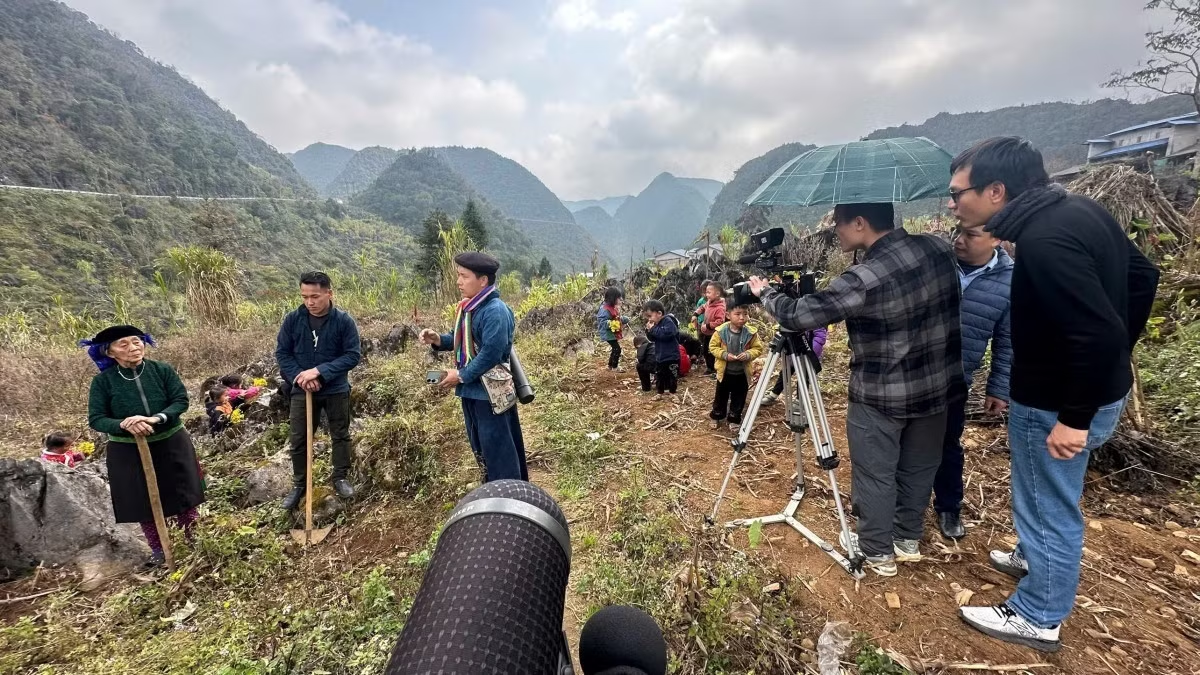
In recognition of its outstanding contributions, the Party and State have bestowed numerous prestigious honours upon the studio, including the title of Labour Hero; the Independence Order (First, Second and Third Classes); the Labour Order (First, Second and Third Classes); the First-Class Resistance Order; the Third-Class Feat of Arms Order; ten Government Emulation Flags; and numerous certificates of merit and outstanding emulation flags from central ministries, departments, and agencies.
Having accompanied the nation through decades of history, the studio's films have become an invaluable part of Viet Nam's cultural heritage and revolutionary journalism. As it enters the digital era, the studio remains committed to its guiding principle of "accompanying life" and upholding a "discerning eye and a compassionate heart" while continuously modernising its management practices and technologies to enhance artistic quality and bring Vietnamese documentary and scientific cinema to wider international audiences.