Through this process, local people have gained a deeper appreciation of their ethnic cultural identity, recognising it as the foundation for creating distinctive visitor experiences and enhancing the appeal of each destination.
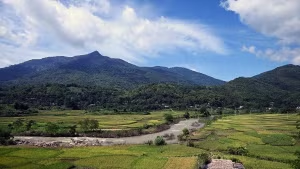
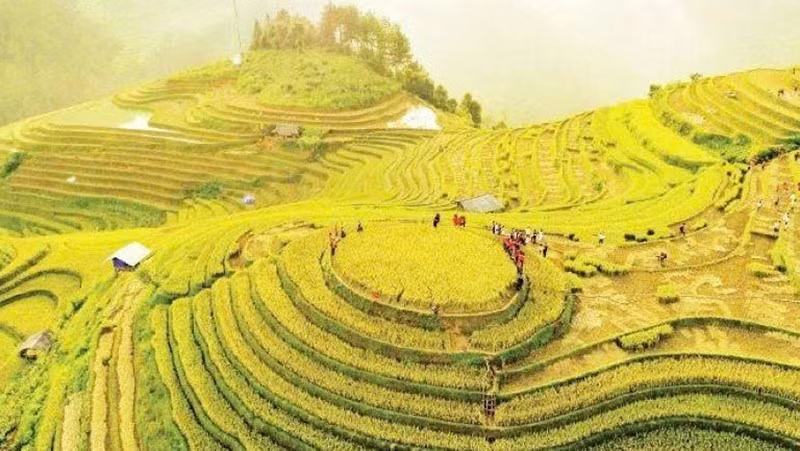
In Mu Cang Chai Commune, Lao Cai Province, cultural values are reflected in symbols closely associated with the landscape and the daily lives of the Mong ethnic minority people. At the end of 2017, Giang A De and his wife established and began operating Hello Mu Cang Chai Homestay. The area's iconic terraced rice fields, combined with community-based experiences and stories shared by local residents, have become the key attractions for visitors.
According to Giang A De, the terraced fields are the result of generations of hard work and ingenuity, while the famous "Mam Xoi Hill" has become the symbol of Mu Cang Chai. During the rice harvest season, its rounded shape resembles a generous tray of sticky rice served at a family meal, symbolising prosperity, abundance and happiness. During the irrigation season, when sunlight reflects off the flooded terraces, the hill represents the beginning of a new farming cycle and embodies hopes for fertility and growth.
By sharing these stories, local residents help visitors gain a deeper understanding of traditional farming practices, the agricultural calendar, and the ways in which the Mong people have adapted to challenging natural conditions to create the spectacular terraced landscapes.
As awareness of these inherited cultural values has grown, local communities have gradually transformed their cultural identity into distinctive tourism products and experiences rooted in local characteristics. Their understanding of traditional culture has also strengthened their confidence in taking the leading role in tourism development and promoting the image of their homeland.
Ta Van Village, located in the Muong Hoa Valley around 10 kilometres from the centre of Sa Pa Ward in Lao Cai Province, is home to Mong, Giay and Dao ethnic communities. Its terraced rice fields and culturally diverse living environment have created a unique attraction for visitors.
Phan Thi Hen, a Giay ethnic local and owner of Local Shop, which specialises in brocade products and handicrafts, said visitors come to Sa Pa to experience the authentic daily lives of local communities. "For that reason, tourism products must grow out of the community's cultural traditions. Accommodation, clothing, cuisine and even the way visitors are welcomed all reflect the distinctive cultural identity of the locality," she said.
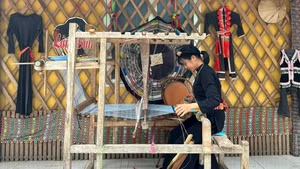
As both domestic and international visitor numbers continue to rise in Sa Pa, traditional Giay brocade products have become increasingly popular souvenirs. Together with other women in the village, Hen has expanded the traditional crafts of weaving and indigo dyeing while incorporating traditional motifs and patterns into contemporary fashion items. She also takes the initiative to explain the meaning behind each design, turning every souvenir into a bridge through which local people can share their community life and cultural heritage with visitors.
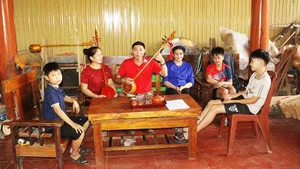
In Da Bac Commune, Phu Tho Province, indigenous knowledge has also been integrated into tourism through experiences centred on everyday life. Many homestays and farmstays have been built in the style of traditional houses using natural materials, preserving their original rustic character. Visitors can take part in indigo dyeing, making do paper, embroidery, cooking alongside local residents, and learning about indigenous customs and traditions.
After nearly a decade of working in community-based tourism, Ly Thi Nhat from Sung Village has developed Lieu Farmstay around the cultural values of the Dao Tien ethnic group.
"Indigenous knowledge forms the foundation of our community's tourism products," she said. "Traditional techniques such as indigo dyeing, beeswax batik and creating decorative motifs have been incorporated into handicrafts and visitor experiences. In this way, local people not only preserve their traditional crafts but also share their cultural life, allowing visitors to gain a deeper understanding of our heritage."
As ethnic minority communities in northern Viet Nam increasingly recognise that indigenous knowledge, traditional customs and cultural values are unique assets that provide destinations with a competitive advantage, they are gradually moving beyond simply providing tourism services. Instead, they are becoming creative leaders, directly designing experiential tourism products and confidently telling the stories of their own cultures.
Integrating indigenous cultural values into tourism has been opening up new opportunities for local economic development. At the same time, the process is helping communities improve their service skills, foreign-language proficiency and management capabilities, gradually building a more professional and sustainable tourism model founded upon their own cultural heritage.