Q: In recent years, how has visitor attendance at the Museum changed, particularly among children and young people?
A: In recent years, visitor numbers at the Museum of Dien Bien Phu Victory have grown steadily, especially during major national holidays and important political and cultural events of both the country and Dien Bien Province. In 2024, marking the 70th anniversary of the Dien Bien Phu Victory, the Museum welcomed more than 500,000 visitors — a record figure.
The most noticeable change in visitor numbers began when the Panorama painting opened, doubling or tripling attendance compared to previous years. Whereas the Museum previously set annual targets of around 50,000 to 100,000 visitors, the average figure has now reached between 150,000 and 200,000.
The Museum’s visitor profile features diverse ages and occupations, ranging from war veterans and members of the armed forces to domestic and international tourists. Notably, young visitors such as school pupils, university students, and youth union members account for an increasingly large share of total attendance.
Over the past three years, young visitors have represented approximately one-third of the Museum’s total visitors, averaging around 50,000 people annually. This group includes organised tours from across the country, local school groups, and independent young travellers.
Today’s younger generation visit merely to view artefacts; they actively participate in history education programmes, extracurricular learning activities, and heritage experiences. They also possess the greatest capacity to access and disseminate information about the Museum through digital platforms. Therefore, we regard young visitors as a key target audience in the Museum’s future development strategy.
To achieve the goal of transforming the Museum into a destination where visitors can explore heritage and history in a profound and engaging manner, the Museum of Dien Bien Phu Victory is revitalising its exhibition content, placing the public at the centre rather than focusing solely on artefacts as in the past. This requires a strong shift in mindset regarding both content and presentation, helping to narrow the gap between generations.
Q: What professional benefits has the cooperation project with the Caen Memorial Museum (France) brought to your team?
A: The cooperation project with the Caen Memorial Museum (France), conducted within the framework of French President Macron’s visit, has inspired innovative professional thinking among the staff of the Museum of Dien Bien Phu Victory.
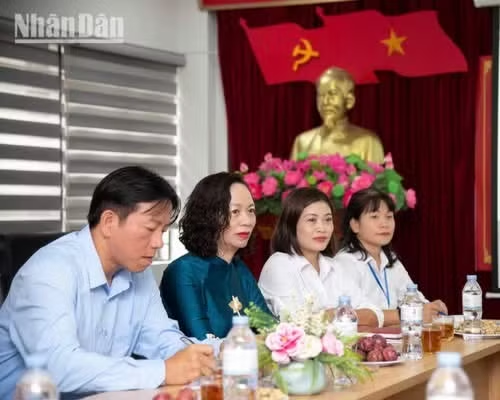
It has driven a major shift in modern museology, moving from an “artefact-centred” approach to a “visitor-centred” approach. We have learned how to design exhibition spaces, guided tours, and educational programmes based on the actual needs and experiences of visitors.
The Caen Memorial Museum proactively proposed scientific adjustments to exhibition layouts, making the content richer and more accessible. In particular, its guidelines on exhibition scripting and professional lighting design have helped create a more modern museum environment that aligns with contemporary tastes while highlighting the key stories of each historical period.
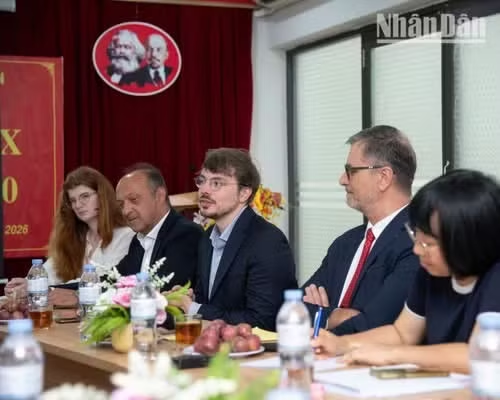
The French counterparts also offered valuable recommendations on strengthening interdisciplinary cooperation between museums and fields such as painting, sculpture, cinema, and installation art. As a result, the Museum of Dien Bien Phu Victory has gained additional expertise in cultural project management and experience working in multidisciplinary environments in line with international standards. The project has helped the Museum better understand its role not only as a place for preserving the past, but also as an institution that must actively create educational and cultural value for contemporary society.
Through direct collaboration, the professional capacity of the Museum’s staff in research, audience development, and heritage communication has been elevated to a new level. The project has brought a “fresh breeze” of exhibition techniques and management thinking, helping staff adapt more effectively to global museum trends.
Q: The giant Panorama painting has become an iconic symbol of the Museum of Dien Bien Phu Victory. However, operating and preserving such a work must be far from easy?
A: The Panorama painting at the Museum of Dien Bien Phu Victory is truly a unique work and a source of pride not only for the province but for the entire country, as it is the largest historical-themed artwork ever created in Viet Nam and Southeast Asia. Since its public unveiling, visitor numbers have increased two to threefold.
Domestic visitors often express pride in the heroic struggle of previous generations when viewing the artwork, while international visitors frequently praise the installation techniques and creativity of Vietnamese artists.
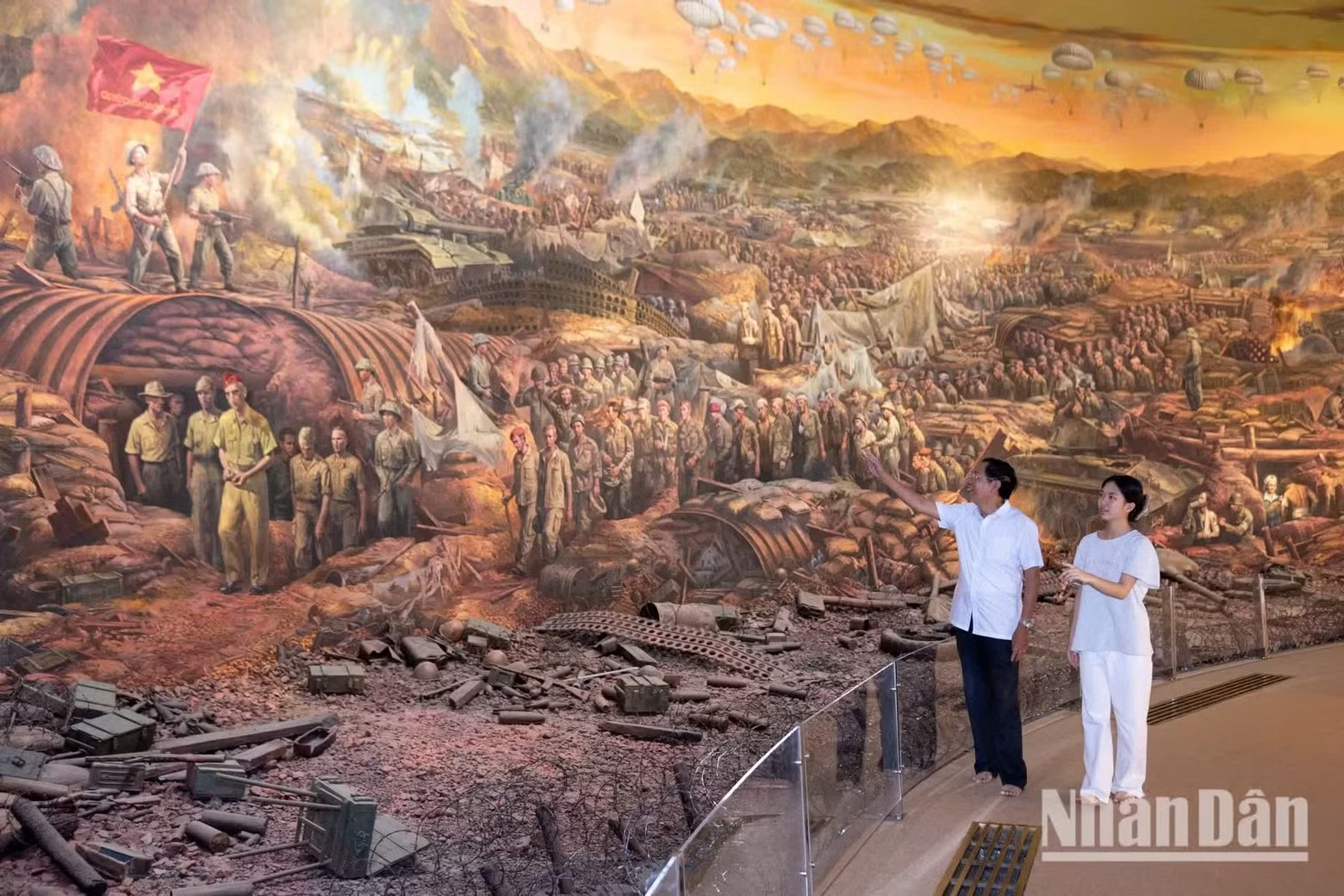
However, preserving more than 3,000 square metres of oil painting created entirely on canvas is an enormous challenge, requiring an extremely rigorous and scientific maintenance process, from maintaining a sterile environment to ensuring standardised temperature and lighting conditions.
The greatest challenge is ensuring the long-term preservation and safety of the artwork while simultaneously accommodating the cultural needs of the large number of visitors arriving every day, so that each visitor can enjoy a complete and fulfilling experience.
In reality, the exhibition space is so vast that, despite being equipped with vacuum and dehumidifying systems, temperature control remains challenging due to Dien Bien’s naturally hot climate. Another persistent concern is acoustics. The problem does not lie in the musical compositions used during presentations, but rather in the original circular architectural design, which did not fully account for sound absorption requirements.
The Museum has had to proactively invite the very artists who painted the Panorama to perform maintenance work, while also seeking consultation from the Viet Nam Fine Arts Museum on conservation solutions. This shift towards a “visitor-centred” approach has further motivated us to improve both the artistic preservation and technical longevity of the work. The Museum of Dien Bien Phu Victory hopes that, in the near future, the remaining acoustic and environmental limitations will be fully addressed so that the project can achieve excellence in every respect.
Q: How does the Museum plan to apply technology and other art forms to renew itself?
A: At present, the Museum views digital transformation and enhanced visitor experiences as inevitable trends in its ongoing renewal process. Our core objective remains bringing the history of Dien Bien Phu closer to the public, particularly younger generations, through more modern and engaging approaches.
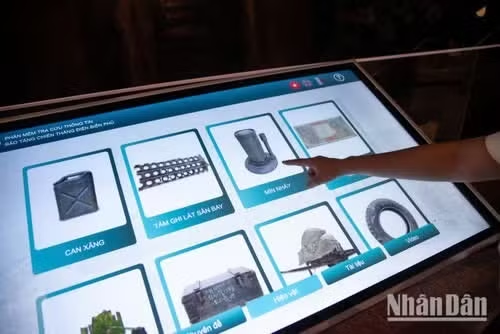
Moving forward, the Museum will continue accelerating the digitisation of artefacts to preserve and promote heritage more effectively in the digital space. We are also paying special attention to the application of interactive technologies, enabling visitors to move beyond observation and engage directly with historical environments. Developing digital interpretation systems is another important direction, allowing each visitor to explore information in greater depth according to their individual interests.
Alongside technology, we recognise that interdisciplinary artistic collaboration in exhibitions is a key factor in bringing vitality and emotion to the Museum. Modern museum trends increasingly focus on visual heritage education rooted in visitors’ personal experiences. To realise this vision, close collaboration with experts from various fields, including painting, sculpture, cinema, and lighting design, is essential.
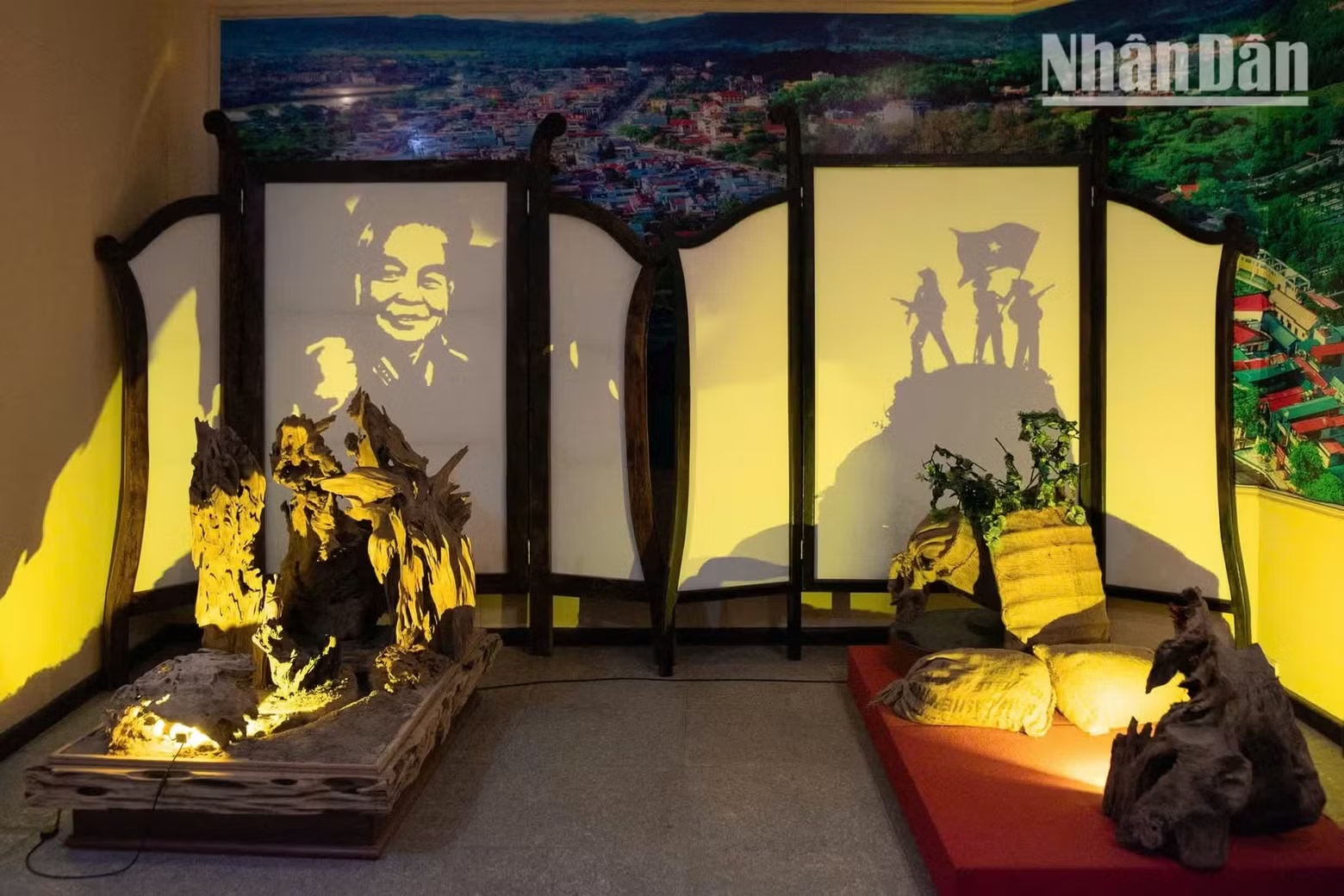
Specifically, we need lighting specialists to create sophisticated lighting scenarios that highlight the key narratives of each historical period. Professional lighting does more than facilitate observation; it creates emotional effects that enable artefacts to “speak” to visitors.
Visual arts and colour are also employed to guide visitors’ attention and create focal points within exhibition spaces. Installation art, in particular, is one of the most effective methods for communicating complex historical ideas and messages in an accessible manner.
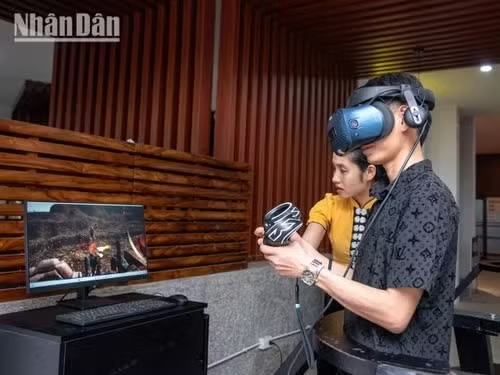
We also incorporate cinema through short films and videos that vividly recreate the contexts and events associated with specific artefacts. These methods make history less rigid and more relatable, engaging, and impactful for audiences.
The Museum is also planning to organise “open exhibitions” and smaller thematic displays to continually refresh content and encourage repeat visits. Today, every museum staff member is striving to acquire new skills so as to become a professional storyteller of history rather than simply a custodian of artefacts. We aim to build the Museum of Dien Bien Phu Victory into a leading heritage education environment where young people can learn about the achievements of previous generations with pride and fascination.
Q: Finally, what are the greatest challenges ahead, and how should the Museum’s staff prepare for the future?
A: Regarding the Panorama painting alone, we face enormous challenges in managing and preserving such a valuable asset within an environment that demands highly stringent standards. Visitors’ experiences are also somewhat affected by technical limitations such as sound reverberation.
Furthermore, documentary and archival materials available within Viet Nam remain limited for developing international-scale thematic exhibitions on the global impact of the Dien Bien Phu Victory on colonial systems worldwide.
Therefore, the greatest challenge remains securing sufficient investment resources and specialised personnel to meet the demands of a modern museum. Today’s museum professionals must do far more than manage artefacts; they must also serve as educators, communicators, and storytellers. They need to be equipped urgently with skills in digital technology, foreign languages, cultural project management, and multidisciplinary collaboration.
We believe that when our workforce is fully equipped with digital transformation and international cooperation skills, the Museum will be well positioned to adapt to any changes brought by the times.
With the ultimate goal of preserving the glorious historical legacy while continuously innovating to better serve the public and international visitors, financial and human capital remain key to overcoming technical and operational challenges in this new phase of development.
Thank you very much!