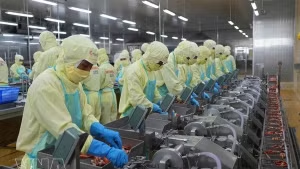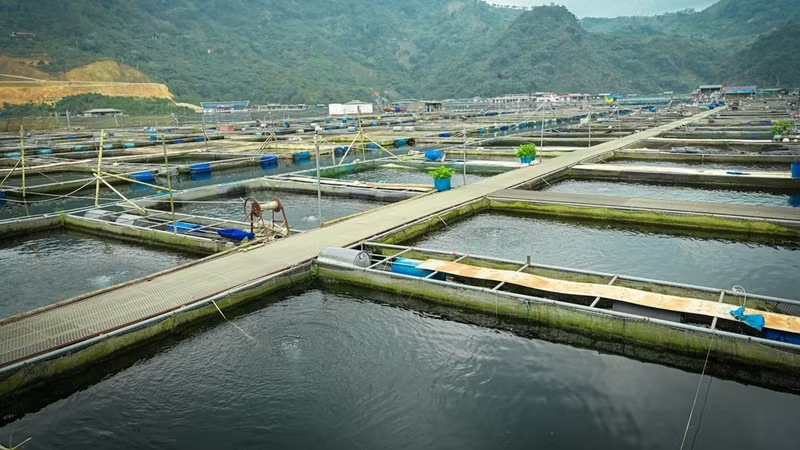
The agreement is expected to attract high-quality investment and advanced technical solutions from Europe into areas that Viet Nam has prioritised for the sustainable development of its fisheries sector, including high-tech marine aquaculture, seafood processing and the green transition.
New impetus for cooperation and development
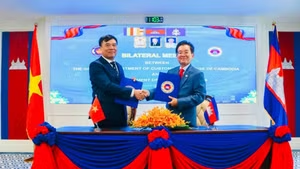
Amid increasingly deep global integration, the signing of the Viet Nam-EFTA Free Trade Agreement on October 18, 2026, marks a milestone in Viet Nam’s efforts to expand its FTA network, bringing the total number of FTAs signed with partners to 18 and strengthening comprehensive links between Viet Nam and Europe.
The agreement between Viet Nam and the European Free Trade Association (EFTA), comprising Switzerland, Norway, Iceland and Liechtenstein, will provide a common policy framework and bolster business confidence, particularly among small and medium-sized enterprises (SMEs) investing in a geographically distant country.
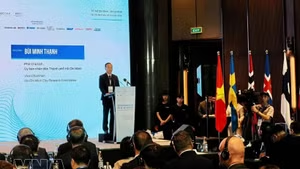
Around 40 Norwegian businesses are currently operating in Viet Nam, with aquaculture forming a solid foundation for bilateral cooperation. Regarding efforts to promote high-quality investment in the fisheries sector, Norwegian Ambassador to Viet Nam Stein Iversen said research institutes and businesses from the two countries were working closely across the entire seafood value chain, from broodstock, feed and equipment to techniques and services, effectively combining Viet Nam’s experience with Norway’s capital and expertise.
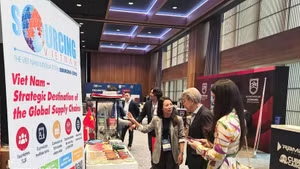
At the Viet Nam International Seafood Exhibition (Vietfish 2026), Norway recently established a large national pavilion for the first time, bringing together 11 businesses and organisations in the fisheries sector, including SalMar, Skretting, ScaleAQ and Fjell Technology. The move highlighted the significant potential for bilateral cooperation in the sector.
As a global leader in marine aquaculture technology and the world’s second-largest seafood exporter, Norway brought to Viet Nam a comprehensive range of technical solutions, including genetic breeding technologies, specialised vaccines, electric stunning equipment and automated seafood processing technologies.
Assessing the potential of the Vietnamese market, Roy Olav Hovlid, commercial manager at technology group Fjell Technology, said: “Viet Nam is one of the world’s leading countries in aquaculture and seafood processing. As output continues to increase, demand for cooperation on technologies that improve resource use, product quality and energy efficiency will grow.”
Towards long-term success
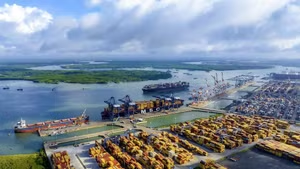
Trade between EFTA and Viet Nam has grown steadily in recent years. In 2025, bilateral trade reached 4.8 billion EUR, with Viet Nam recording a trade surplus of 2.5 billion EUR, highlighting the growing importance of this partnership.
In the fisheries sector, Phung Thi Kim Thu, a market expert at the Viet Nam Association of Seafood Exporters and Producers (VASEP), said seafood exports to EFTA member countries remained modest. However, given their high per capita GDP and strong demand for premium-quality products with clear origins, the bloc offered considerable room for Vietnamese seafood exports to grow.
Under the agreement, EFTA countries have committed to maintaining the complete elimination of import tariffs on Vietnamese-origin seafood products from the date the agreement takes effect. Viet Nam, meanwhile, will reduce or eliminate import tariffs on most seafood products from EFTA over a maximum period of 11 years. The agreement also emphasises support for SMEs in accessing market information, trade regulations and business opportunities through publicly available information portals in English.
To bring the agreement closer to the business community, Minister of Industry and Trade Le Manh Hung said the ministry would work with relevant agencies to submit the agreement to the Government for approval and issue an implementation plan, along with other legal documents. The aim is to complete ratification so that the agreement can take effect in early 2027.
The period before the agreement officially takes effect represents a “golden opportunity” for seafood businesses to upgrade their operations, pursue higher value-added production, build their brands and participate more deeply in sustainable supply chains.
Through efforts to maximise the benefits of the FTA, Viet Nam and EFTA countries can do more than expand seafood trade. They can also strengthen cooperation in production, research and innovation, and deepen their participation in global value chains.