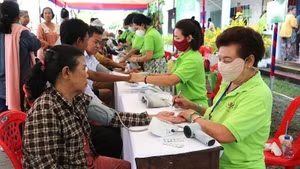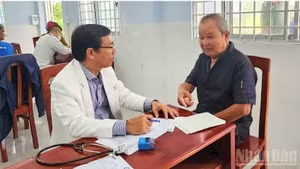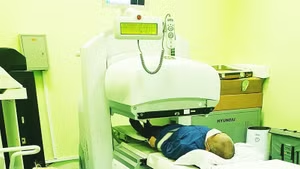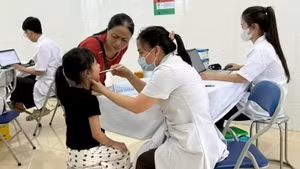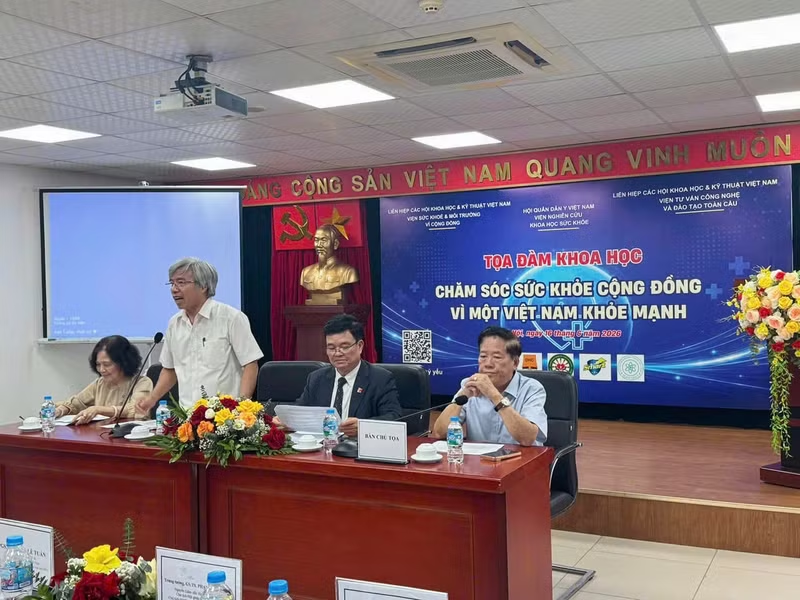
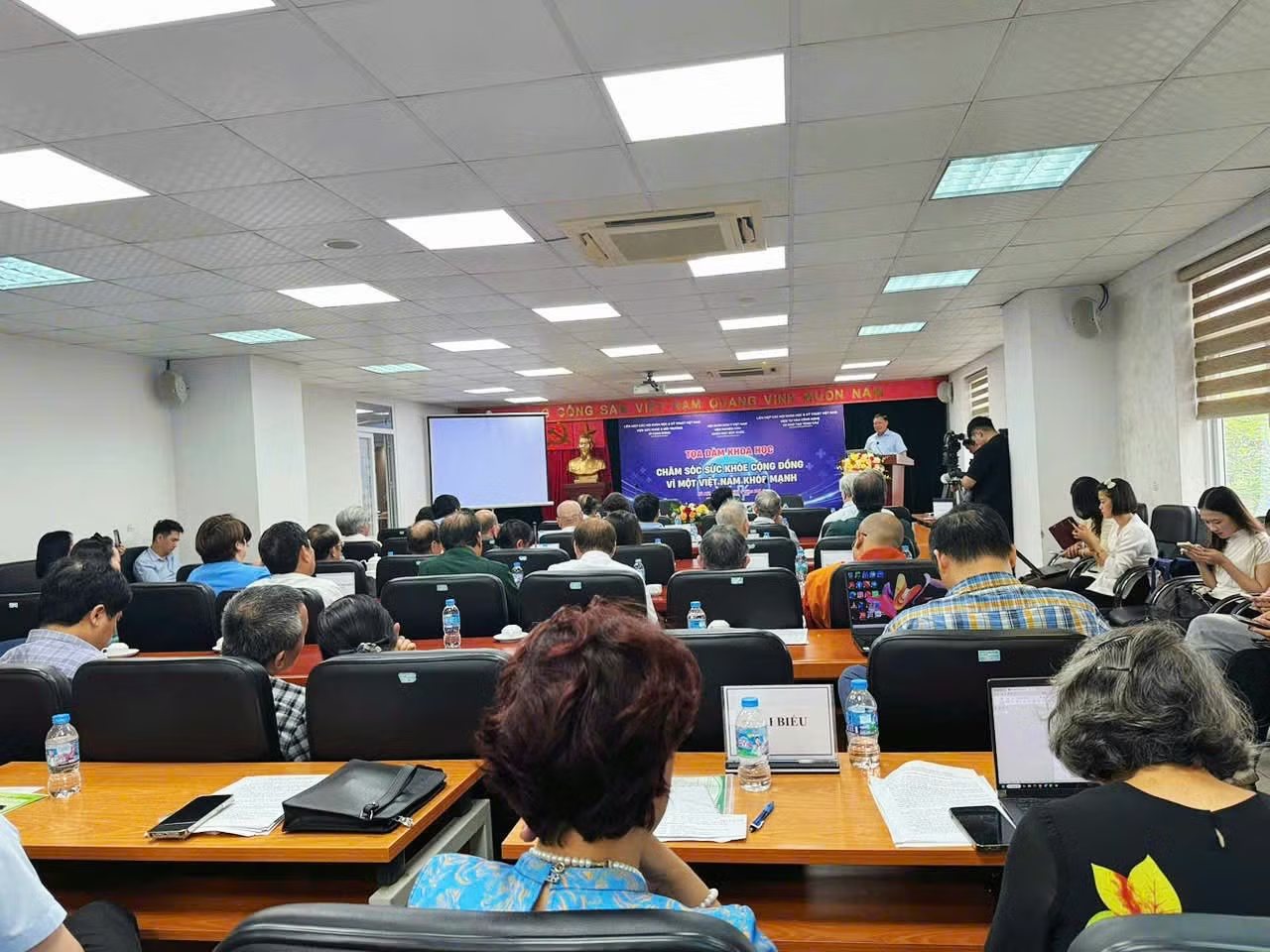
The symposium served as a meaningful scientific forum to clarify the Party’s and State’s viewpoints, policies and strategic directions regarding public healthcare. It also provided an opportunity to exchange scientific research findings, practical experiences and effective models in community healthcare, while proposing solutions for applying science and technology, digital transformation, preventive medicine, family medicine and traditional medicine to improve the quality of healthcare services for the population.
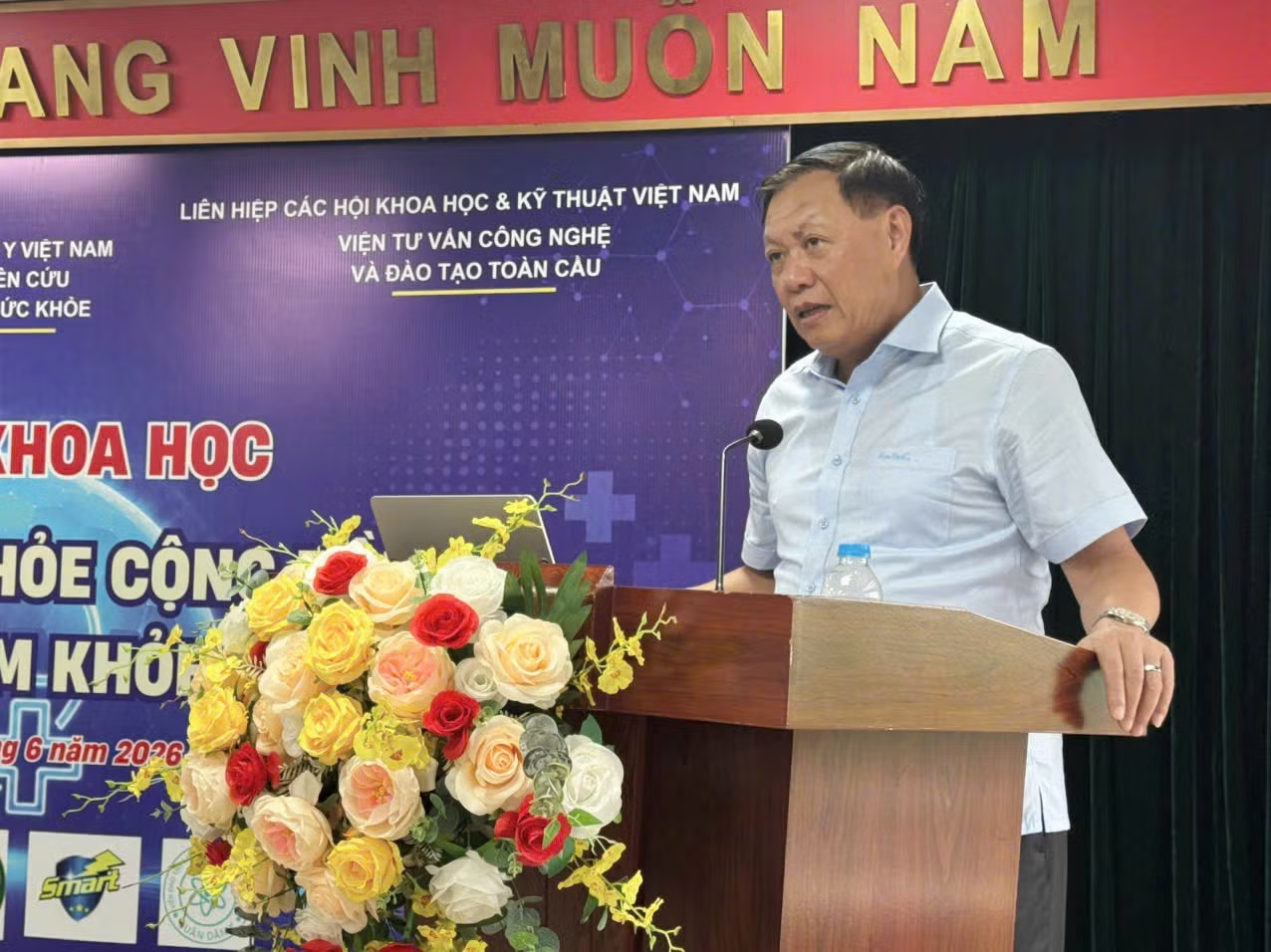
Speaking at the symposium, Deputy Minister of Health Do Xuan Tuyen emphasised that the Politburo had issued Resolution No. 72-NQ/TW, introducing new thinking, innovative solutions and breakthrough requirements. Resolution 72 aims to build a modern, proactive and comprehensive healthcare ecosystem. Its core principle is to shift from disease management to health management; from caring for patients to caring for citizens; from treating illness to predicting risks and preventing disease at an early stage; and from healthcare being solely the responsibility of the health sector to becoming the responsibility of society as a whole. This represents a significant advancement in the approach to community health.
Over recent years, Viet Nam’s community healthcare system has made remarkable progress, achieving significant results in coverage, service quality and health indicators. The grassroots healthcare network has been developed relatively comprehensively, with commune and ward health stations covering the entire country and serving as the foundation for providing primary healthcare services to the population. According to the Ministry of Health, Viet Nam currently has more than 11,000 commune-level health stations, enabling most citizens to access healthcare services within their local communities.
One of the most notable achievements has been the expansion of health insurance coverage. The proportion of the population participating in health insurance has exceeded 92%, significantly reducing the financial burden of medical treatment and improving access to healthcare services, particularly for vulnerable groups. At the same time, the supply system for medicines and healthcare services has continued to expand. The density of pharmaceutical retail outlets per capita in Viet Nam is currently higher than the global average, creating favourable conditions for people to access medicines and basic healthcare services (Ministry of Health).
In addition, national health programmes have delivered many positive outcomes. The Expanded Programme on Immunisation has effectively controlled numerous dangerous infectious diseases, while substantial progress has been achieved in combating HIV/AIDS, tuberculosis and malaria. The average life expectancy of Vietnamese people has steadily increased, reflecting clear improvements in healthcare quality and living conditions. In major urban centres such as Ho Chi Minh City, average life expectancy has surpassed 76 years, higher than the national average (Ho Chi Minh City Traditional Medicine Hospital).
Furthermore, Viet Nam’s healthcare system has demonstrated considerable capability in disease prevention and control, particularly during the COVID-19 pandemic. The participation of grassroots healthcare networks, preventive medicine systems and the broader political system contributed to effective disease control during many phases of the pandemic, thereby highlighting the crucial role of community healthcare in protecting public health.

During the symposium, delegates focused discussions on the orientation and development strategy for the community healthcare system in the new context; community awareness and development directions; and community healthcare in the new era.
The symposium is expected to contribute practical value to the cause of public healthcare and help realise the goal of building a modern, equitable, efficient and sustainable healthcare system in Viet Nam.