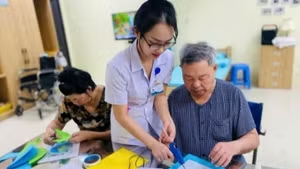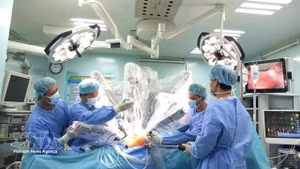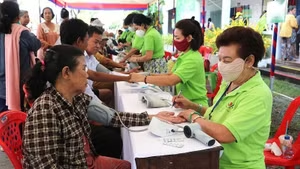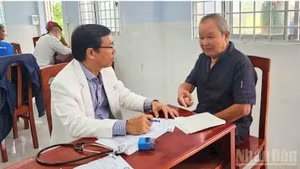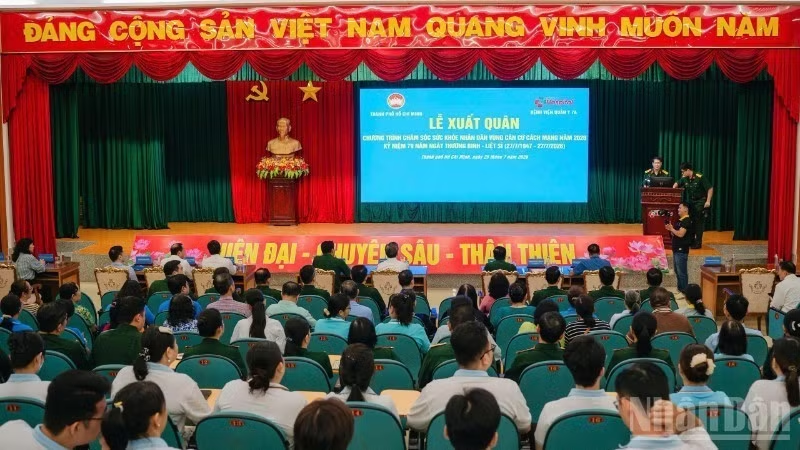
The programme is among the city’s activities to mark the 79th anniversary of Wounded and Fallen Soldiers’ Day (July 27, 1947–2026).
Speaking at the ceremony, Nguyen Phuoc Loc, member of the Party Central Committee, Deputy Secretary of the Ho Chi Minh City Party Committee, and Chairman of the Viet Nam Fatherland Front Committee of Ho Chi Minh City, stressed that Wounded and Fallen Soldiers’ Day on July 27 is an annual occasion to express deep gratitude to martyrs, wounded and sick soldiers, and revolutionary contributors — those who bravely fought for the independence and freedom of the Fatherland and for the happiness of the people.
He recalled that during the difficult wartime, revolutionary base areas served as a “steel shield” that sheltered and nurtured revolutionary soldiers. The people in these areas endured immense loss and hardship, willingly sharing food and clothing and protecting revolutionary forces until final victory.
Returning to revolutionary base areas today, caring for people’s lives — especially their health — as well as for policy beneficiary families and contributors to the revolution, is not only a regular duty but also a command from the heart of every Vietnamese citizen.
“Each doctor, nurse and healthcare worker brings not only professional knowledge and skills, but also the deep appreciation and gratitude of the city’s Party organisation, authorities and people to the residents of the base areas,” he emphasised.
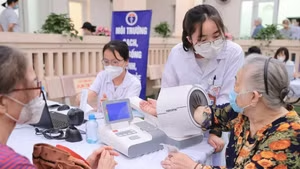
According to the organisers, the programme will be implemented in 10 former revolutionary base localities and safe‑zone communes in Ho Chi Minh City.
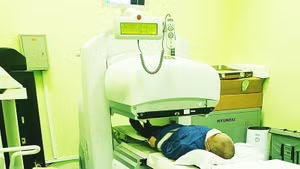
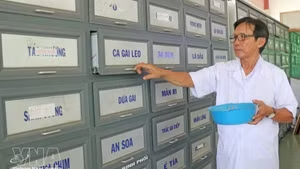
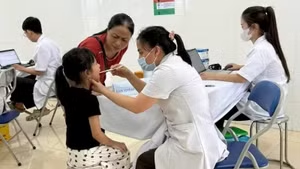
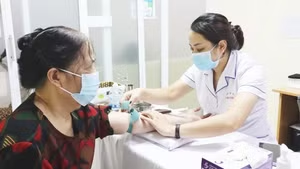
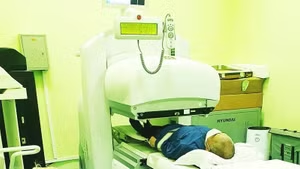
Each locality is expected to provide medical check‑ups, health consultations and free medicine for between 500 and 1,000 people, with priority given to policy beneficiary families, revolutionary contributors, older people, people with disabilities, poor and near‑poor households, and those with chronic illnesses.