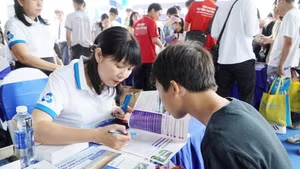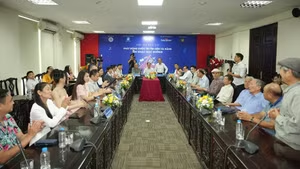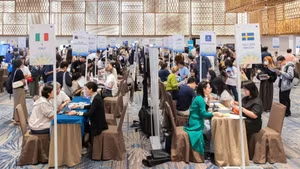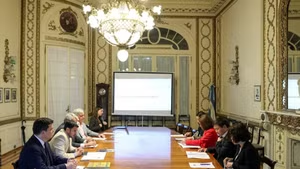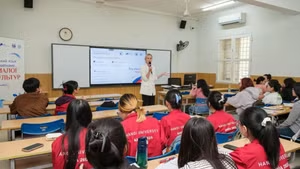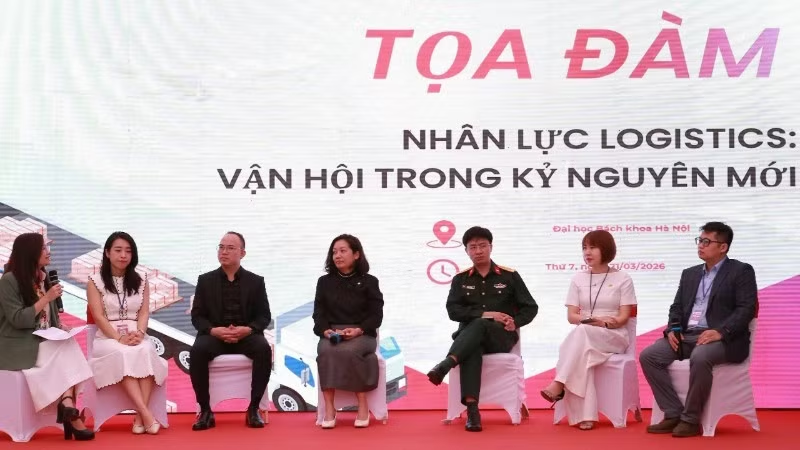
The event, which was held simultaneously in Ha Noi, Hai Phong, Da Nang, and Ho Chi Minh City on March 21, attracted thousands of students and pupils, making it the largest job fair to date in the logistics and supply chain sector.
In Ha Noi, the programme took place at Ha Noi University of Science and Technology. In Hai Phong, it was held at Hai Phong University. In Da Nang, the event was hosted by the University of Economics – University of Da Nang, while in Ho Chi Minh City, it took place at Ho Chi Minh City University of Transport.
Against the backdrop of Viet Nam’s logistics sector being reshaped by major trends such as the rapid growth of e-commerce, global supply chain shifts, digital transformation, and green transition in operations, demand is rising for a workforce that not only possesses expertise in logistics and supply chains, but also has strong technological capabilities, data analysis skills, and internationally oriented management thinking.
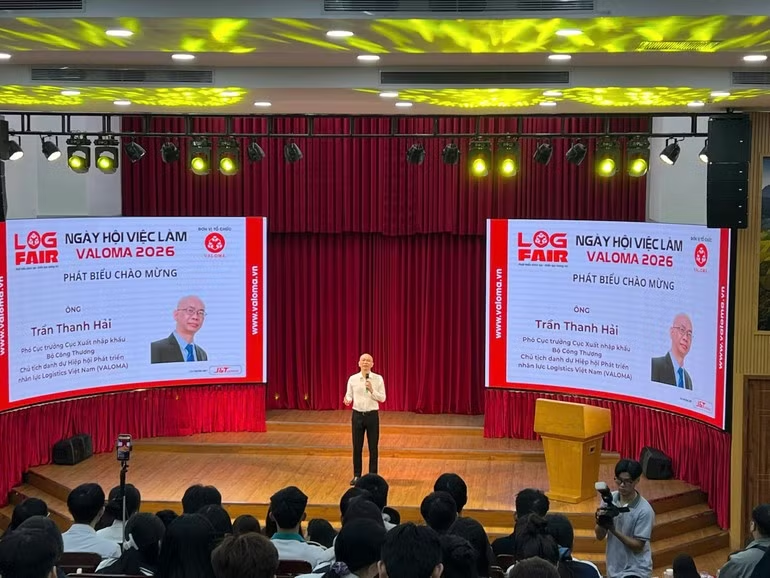
Tran Thanh Hai, Deputy Director General of the Agency of Foreign Trade under the Ministry of Industry and Trade and Head of the Organising Committee, said LOGFAIR 2026 aims to strengthen connections between businesses, academia, and students, thereby improving the quality of logistics human resources to meet the demands of economic development and international integration.
The programme features a range of activities, including recruitment and corporate exhibition booths; seminars and panel discussions on logistics human resources in the new era and industry trends; career counselling; job matching sessions; and networking between enterprises and students.
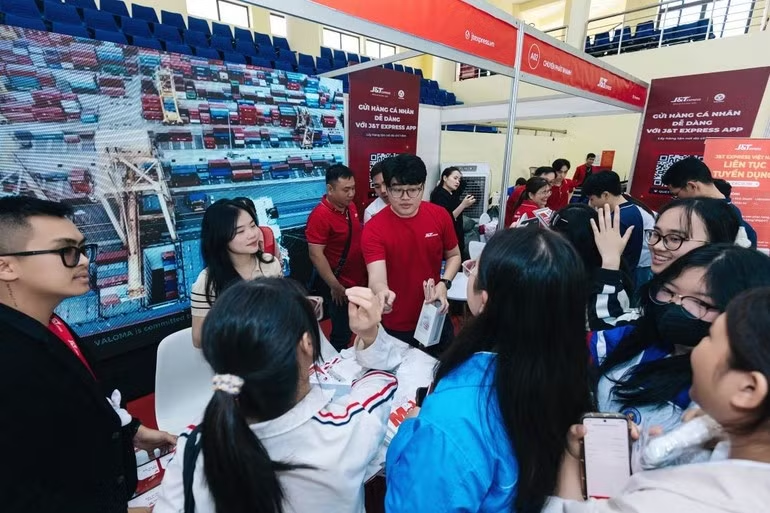
Within the framework of LOGFAIR 2026, logistics clubs from universities and colleges will have the opportunity to connect and exchange, forming a broad student network in this high-potential field.
For educational institutions, the VALOMA LOGFAIR 2026 helps strengthen links between training and industry practice, provide updates on labour market trends, and expand internship and employment opportunities for students. It not only provides a platform for job seekers but also an opportunity for students to engage directly with employers, develop professional skills, clarify career pathways, and build professional networks, preparing them to enter the labour market.