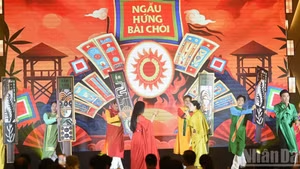
In recent years, numerous culinary festivals and food tourism products held across the city have successfully attracted large numbers of both domestic and international visitors, eager to experience the unique flavours of Vietnamese cuisine. Several of the city’s culinary festivals have also gained international recognition.
A convergence of regional flavours
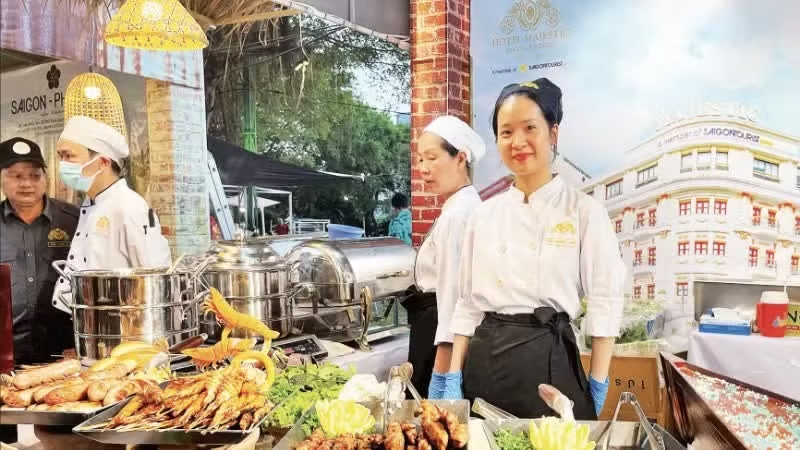
The Saigontourist Group Culinary Culture and Delicacies Festival 2026, which concluded at the end of March, once again offered visitors a wide range of engaging experiences featuring dishes from across the country. At the festival, diners were immersed in a cultural journey spanning the three regions, with each zone representing a chapter of heritage: cuisine from the Northwest – the nation’s frontier; Central region cuisine; coastal cuisine; Southern cuisine; Vietnamese tea culture and gastronomy; and borderless cuisine.
Many memorable Vietnamese dishes were introduced to visitors as part of an impressive culinary journey. The festival’s prestige has been further reinforced, having been honoured with the title of “World’s Best Culinary Festival” for three consecutive years (2023, 2024 and 2025) and “Asia’s Best Culinary Festival” for four consecutive years (from 2022 to 2025) by the World Culinary Awards.
“The Saigontourist Group Culinary Culture and Delicacies Festival 2026 is not only a celebration for food enthusiasts, but also a journey connecting heritage, spreading cultural identity, and affirming the position of Vietnamese cuisine on the global map. We have elevated its scale, quality and international appeal, aiming to establish the festival as a distinctive cultural and tourism brand of Ho Chi Minh City and Viet Nam,” said Nguyen Thi Anh Hoa, Chairwoman of Saigontourist Group.
In addition to the Culinary Culture and Delicacies Festival, the city organises numerous culinary festivals each year with increasingly expanded scale. Notably, the vegetarian food festival held at the end of 2025 attracted nearly 200,000 visitors. The event aims to honour the refined cultural values of vegetarian cuisine and is expected to become one of the largest cultural, tourism, culinary and community events in Ho Chi Minh City.
According to Nguyen Tan Viet, Chairman of the Ho Chi Minh City Culinary Association, vegetarian cuisine is not merely food but a symbol of a green and humane lifestyle. Through the festival, the organisers seek to join businesses, chefs, artists and the public in promoting the spirit of “clean eating – green living”, while affirming the city’s pioneering role in its journey to becoming the “world capital of vegetarian cuisine”.
Held for the first time in Ho Chi Minh City, the event “The 1st Vietnamese Rice Noodle Festival – Delicacies from Rice Vermicelli” brought many surprises to visitors through unique and engaging activities, highlighted by the establishment of a record for 100 dishes made from rice noodles and vermicelli. The event served as a cultural narrative that the city wished to share with both domestic and international visitors, further promoting the essence of Vietnamese cuisine and the value of traditional dishes.
In the second quarter of this year, the city will host several more distinctive culinary events, including the 4th Ho Chi Minh City Bread Festival and the Riverside Culinary Week in An Khanh Ward and Binh Duong Ward, as part of the 3rd Waterway Festival. With the unique characteristics of each festival, the city continues to act as a hub connecting regional flavours, offering visitors diverse experiences and deeper insights into the distinctive values of Vietnamese culture.
Elevating culinary festivals
According to many tourism experts, to position Ho Chi Minh City as a city of culinary festivals, authorities need to develop clear planning and identify representative festivals with distinctive characteristics for focused investment.
Tran Thi Hien Minh, Vice Chairwoman of the Saigon Professional Chefs’ Guild under the Ho Chi Minh City Tourism Association, noted that the bread festival is one of the city’s standout culinary events, gaining significant recognition. With each edition, the event helps promote the city’s image and Viet Nam’s iconic dishes to international visitors. Additionally, it brings spiritual value to the culinary sector in particular and businesses in general. However, she pointed out that many culinary festivals currently share similar formats, which needs to be addressed to avoid them becoming mere “trade fairs”.
Notably, some recent culinary tourism products have successfully integrated with cultural activities to create compelling food-and-culture programmes, particularly appealing to international tourists.
According to leaders of the Ho Chi Minh City Department of Tourism, the city’s tourism sector will enhance the quality of restaurant and dining services to become a signature local tourism product. The department will promote digital transformation and organise a video clip creation contest on culinary tourism to advertise Ho Chi Minh City’s food tourism products across social media platforms, ensuring wider reach and faster, more effective engagement with tourists.
In addition, it will focus on organising training workshops to update key trends in the tourism industry associated with green transformation and sustainable development for personnel responsible for food services at hotels and tourism-standard establishments across the city.
Nguyen Thi Khanh, Chairwoman of the Ho Chi Minh City Tourism Association, shared that to organise culinary festivals more professionally, several flagship events require financial support from the State to help elevate their stature. “Moreover, the organisation of culinary festivals must pay particular attention to food safety and product quality to ensure credibility and satisfaction for both domestic and international customers and tourists,” she added.