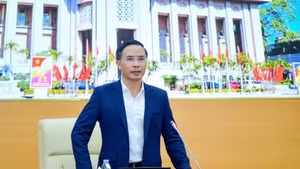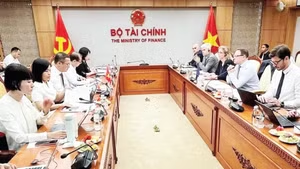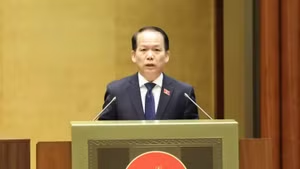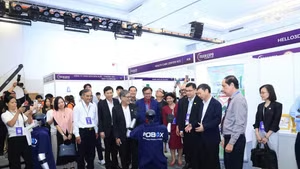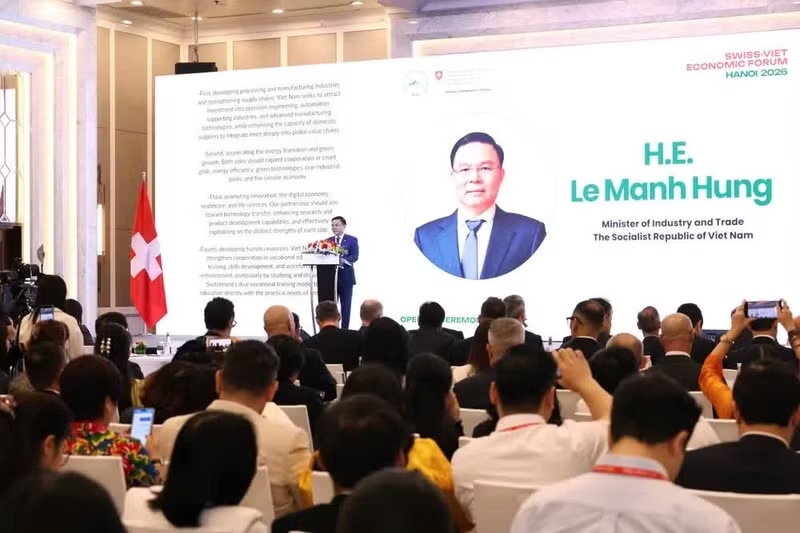
Minister of Industry and Trade Le Manh Hung noted that the meetings and discussions between businesses from both sides, held immediately following the signing ceremony, reflect the imperative to translate the agreement’s commitments into practice — creating concrete cooperation opportunities and tangible business outcomes.
The agreement opens new avenues for collaboration in trade in goods and services, investment, and sustainable development. Tariff preferences will enable Vietnamese goods to expand their market reach and enhance their competitiveness, while simultaneously helping EFTA-based enterprises more effectively tap into the potential of the Vietnamese market.
To capitalise on the opportunities presented by the agreement, the Minister of Industry and Trade urged the business communities from both sides to focus on four key areas of cooperation.
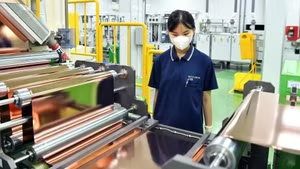
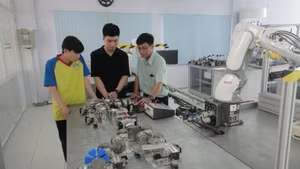
First is the development of the processing and manufacturing industry and supply chains. In this regard, Viet Nam seeks to attract investment in precision engineering, automation, supporting industries, and advanced production technologies, while also strengthening the capabilities of domestic suppliers to gradually integrate more deeply into global value chains.
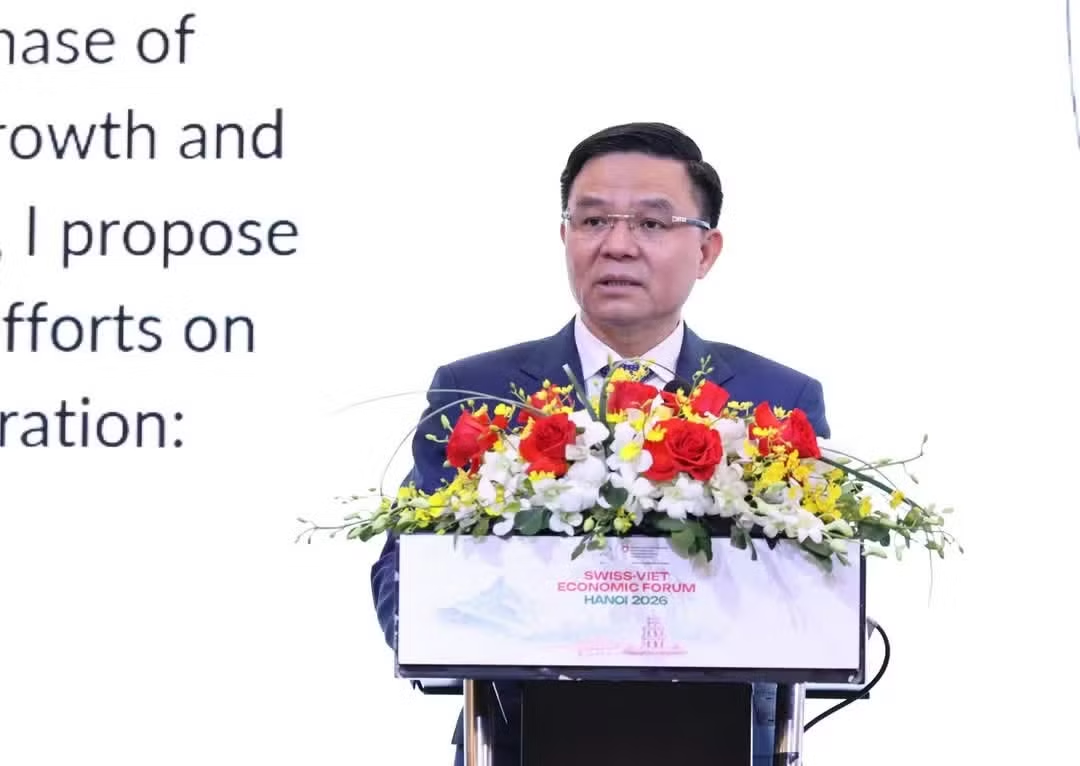
Second, both sides need to expand cooperation in energy transition and green growth, with a focus on smart grids, energy efficiency, green technologies, eco-industrial parks, and the circular economy.
Third, there should be a push for innovation, the digital economy, healthcare, and life sciences, with a focus on technology transfer, enhancing research and product development capabilities, and effectively leveraging the respective strengths of each side.
Fourth, cooperation in human resource development should be strengthened through vocational training, skills development, and the enhancement of labour quality, specifically by studying and applying Switzerland’s dual vocational training model, which aligns training with the practical needs of businesses.
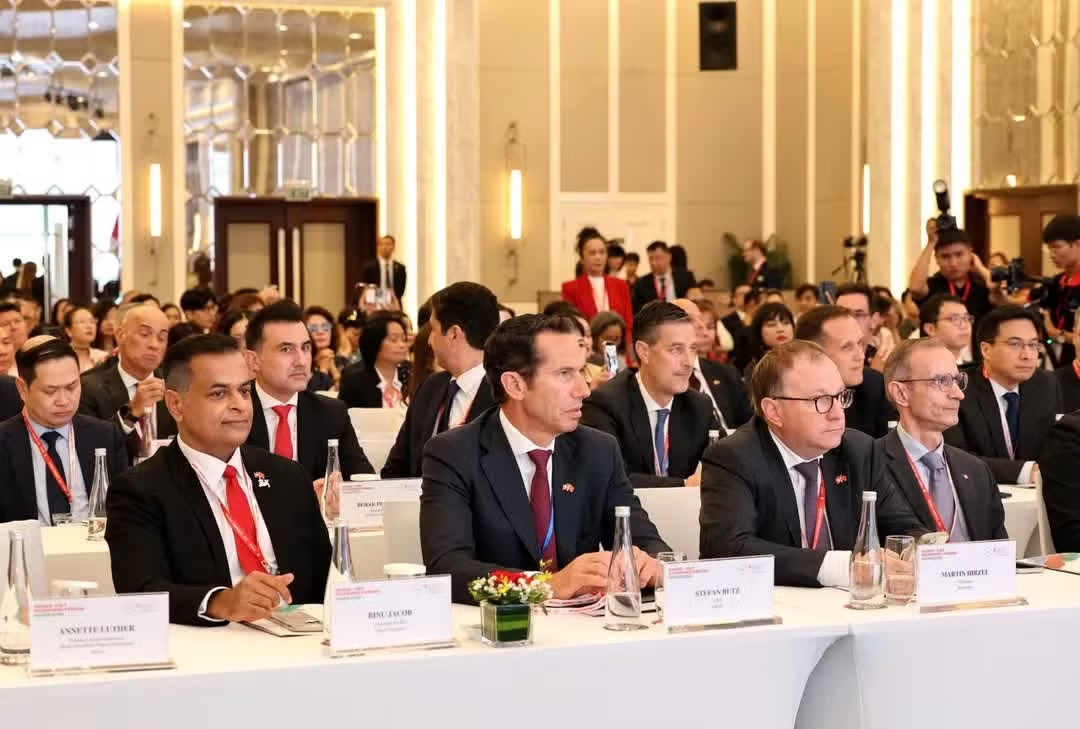
Minister Le Manh Hung affirmed that the Ministry of Industry and Trade stands ready to coordinate with relevant agencies, organisations, and the business communities of both sides to translate these strategic orientations into concrete cooperation programmes and investment projects.
Emphasising that the success of the agreement should not be measured solely by the number of tariff lines reduced, Minister Le Manh Hung noted that the true outcomes should be reflected in the projects implemented, technologies transferred, supply chains established, and enhanced competitiveness.
Driven by the proactive engagement of the business community and the determination of the government, the promotion of economic and trade cooperation between Viet Nam, Switzerland, and the EFTA states will help expand development horizons, boost production capacity, and strengthen the autonomy of the Vietnamese economy in a substantive, effective, and sustainable manner.