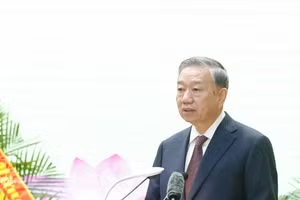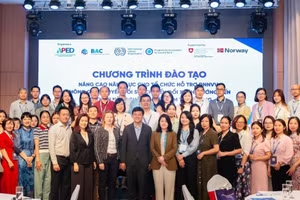
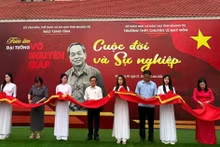
Towards the commemoration of the 115th anniversary of the birth of General Vo Nguyen Giap (August 25, 1911–August 25, 2026), on March 23, at Le Quy Don High School for the Gifted, Quang Tri province organised the thematic exhibition “General Vo Nguyen Giap – Life and Career”.
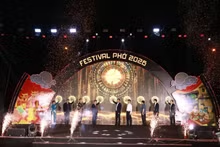
Pho (Noodle soup) Festival 2026, themed “Vietnamese Pho — A Living Heritage in the Modern Era”, officially opened in Ninh Binh Province on March 20. The event not only honours the cultural value of traditional cuisine but also helps affirm the position of Vietnamese pho in the process of international integration, with the goal of becoming a representative intangible cultural heritage of humanity.
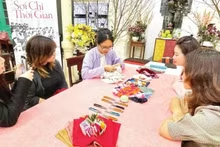
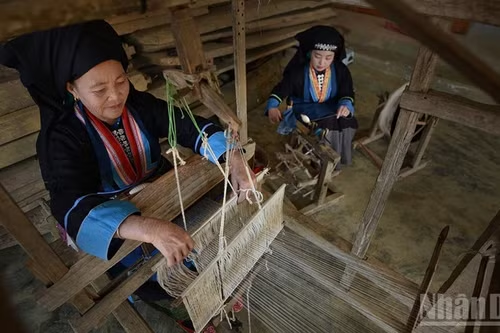
Amid the pace of modern life, needlework and mending skills — once closely associated with generations of Ha Noi women — are being revived through community-based craft practices that foster connection.
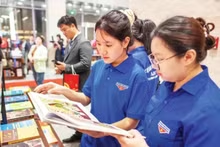
After eight seasons of organization, the National Book Awards have increasingly affirmed their position as a prestigious prize of the publishing sector in Viet Nam. Innovations in the award structure, evaluation criteria and ways of reaching readers contribute to honoring works of academic value while opening expectations of widely spreading reading culture in social life.
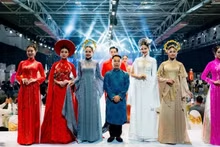
The traditional ao dai has long become a cultural symbol closely associated with the image of Vietnamese women. Over time, the garment has retained its elegance and grace while continuing to be refreshed within modern life.
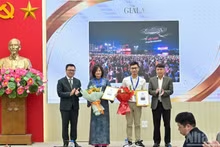
Nhan Dan Newspaper, in collaboration with the Viet Nam Association of Photographic Artists, held the award ceremony for the photo contest “Viet Nam on the Path of Renewal”, on March 9.
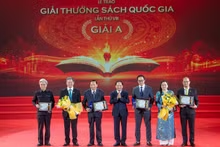
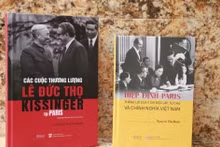
Two history-themed books — “Illustrated History of Vietnam” by Dong A Books in collaboration with the University of Education Publishers, and “The Story of Civilisation” by authors Will and Ariel Durant, published by the Social Sciences Publishing House and the IRED Institute of Education — won the top A Prize at the National Book Awards ceremony on the evening of March 8.
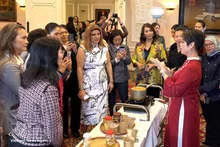
In Viet Nam, vegetarian food is not merely a dietary choice but also a philosophy rooted in peace, compassion, and a deep respect for nature. It reflects the Vietnamese soul - gentle yet flavourful, simple yet sophisticated. Familiar ingredients such as lotus seeds, tofu, mushrooms and fresh herbs are transformed into light, nutritious dishes that embody the essence of Vietnamese gastronomy.
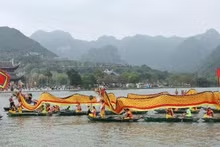
The new spring is entering the most vibrant season of traditional festivals across the country. From mountainous regions to lowland plains, from rural villages to urban areas, the sound of festival drums echoes, opening up a lively space for community cultural activities rich in national identity.
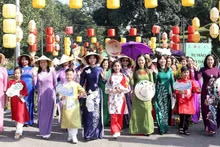
Every March, from bustling cities to rural villages, offices and schools alike are brightened by the many colours and styles of the ao dai (traditional Vietnamese long dress) worn by Vietnamese women. The annual “Ao Dai Week”, launched by the Viet Nam Women’s Union to coincide with International Women’s Day on March 8, not only celebrates the beauty of the traditional costume but also spreads cultural values, creating a festive atmosphere that brings communities together across the country.
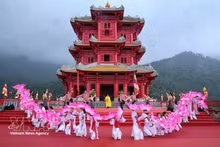
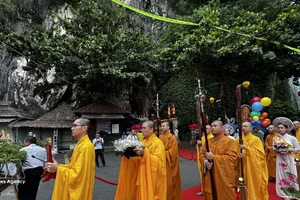
The 2026 Tay Yen Tu Spring Festival opened at the Tay Yen Tu spiritual – ecological tourism complex in the northern province of Bac Ninh on February 28, attracting large numbers of Buddhists and visitors from far and wide.
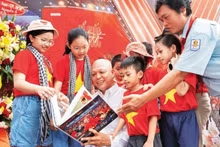
For photography enthusiasts, photographer Nguyen A is a familiar name, known for numerous photo collections capturing major national milestones as well as emotionally resonant everyday stories.
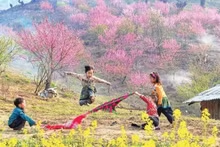
When Tet (Lunar New Year) arrives, the photography community enters a special “season on the move”: the flower-hunting season. From Ha Noi’s flower markets to the rocky plateaus of the north, from the cherry blossom hillsides of Da Lat to the riverine flower villages of the Mekong Delta, these journeys are not merely in search of beautiful frames, but also help preserve cultural memories, everyday life and the nation’s changing rhythm as a new spring unfolds.
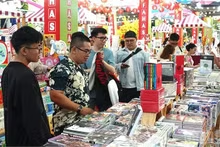
According to a report from the Ho Chi Minh City Department of Culture and Sports, the Tet (Lunar New Year) Book Street Festival was, for the first time, organised across three locations, drawing the participation of 30 units and creating a range of distinctive cultural and artistic spaces that attracted readers over its eight-day run.
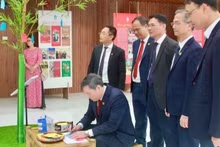
An exhibition jointly organised by the Viet Nam Museum of Ethnology and the Institute of Sino-Nom Studies has recreated a traditional Tet (Lunar New Year Festival) space rich in national identity through a system of artefacts, archival materials, folk paintings, traditional costumes, calligraphy and interactive activities, attracting significant public interest during the first days of the Lunar New Year.
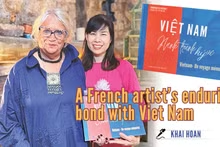
Viet Nam is not only the homeland of the Vietnamese people; it is also a land that many French have come to cherish. It is the country that has captivated French artist, photographer, and writer Dominique de Miscault and profoundly shaped her artistic journey.
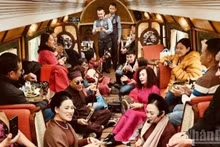
In the early days of the Year of the Horse, the cultural tourism train “Ha Noi Five Gates” Train (The Ha Noi Train) officially launched a special programme entitled Bringing Spring Home.
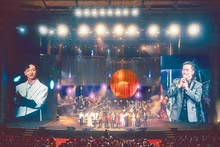
Technology is opening new pathways for artistic creation, particularly in music, where many young artists now turn to digital platforms to develop their work and build their reputations.

The Lunar New Year of the Horse 2026 arrives in the familiar rhythm of heaven and earth. In this moment of seasonal transition, Tet is not only a time for reunion, but also an occasion for each person to reflect on social life, contemplate ongoing changes, and place trust in the journey ahead.
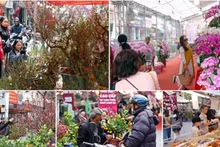
Ha Noi boasts hundreds of Tet markets. Spring flower markets line almost every street. Yet the Hang Luoc flower market in Hoan Kiem ward continues to stir nostalgia among those tied to the capital. It is a “market of memories”, a once-a-year fair that has endured for more than a century.