The Official Dispatch states that several accidents causing safety incidents in tourism activities have recently occurred across the country, affecting the lives of tourists, tourism business operations, and the image of Viet Nam as a tourist destination.
As this year's storm and rainy season is forecast to be complex, the Minister of Culture, Sports and Tourism has instructed relevant units, within their responsibilities and powers, to direct and coordinate with competent agencies to effectively implement the following measures in order to proactively prevent incidents, minimise damage, reduce safety risks, and protect the lives and health of tourists.
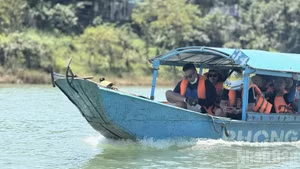
First, all tourist transport services using canoes, high-speed boats and other watercraft serving tourists must be comprehensively reviewed. Particular attention should be given to coastal and island localities, tourist areas and attractions offering water-based sightseeing activities, as well as river and lake tourism routes, in order to promptly identify and address potential safety risks.
Localities should strengthen inspections of compliance with legal regulations on tourism safety by travel agencies and businesses providing waterway transport services for tourists. At the same time, they should focus on inspecting and providing guidance on the implementation of safety procedures for tourists, as well as the provision and proper use of life-saving equipment and appliances in accordance with regulations, ensuring that any incidents are handled promptly.
The Departments of Culture, Sports and Tourism and the Departments of Tourism of provinces and cities are required to inspect, reinforce and develop safety plans for tourist routes and destinations at risk of landslides and flooding during the storm and rainy season. They must also ensure that emerging tourism activities, such as flying tourism, coral diving, sea walking, adventure tourism and other tourism service activities, comply with the required safety standards.
At the same time, they should regularly update and promptly provide information, forecasts and warnings regarding weather conditions and emergencies. Under no circumstances should sightseeing tours, tourism programmes or tourist transport services be organised unless all legal safety requirements are fully met. They should also proactively prepare search and rescue plans to ensure the safety of tourists' lives and provide appropriate care and services for tourists in the event of unexpected incidents or if they are required to remain in areas affected by storms, heavy rain or flooding.
In addition, efforts should be stepped up to raise awareness among tourism businesses and tourists of the importance of complying with safety regulations. Guidance should also be provided on recognising signs of natural disasters and on the appropriate measures and response skills for different disaster situations.


![[Video] Viet Nam among Top three Asian destinations for return visitors](https://en-cdn.nhandan.vn/images/nyM650OGFWrOVWc-xajqN-rTZ68Rlmc1fiGJOhBRYHErj-E25MBpvJqrpphXazfrpe9t-fYCGuQU4CN0yXo3Rg/du-lich-vietnam.jpg.avif)