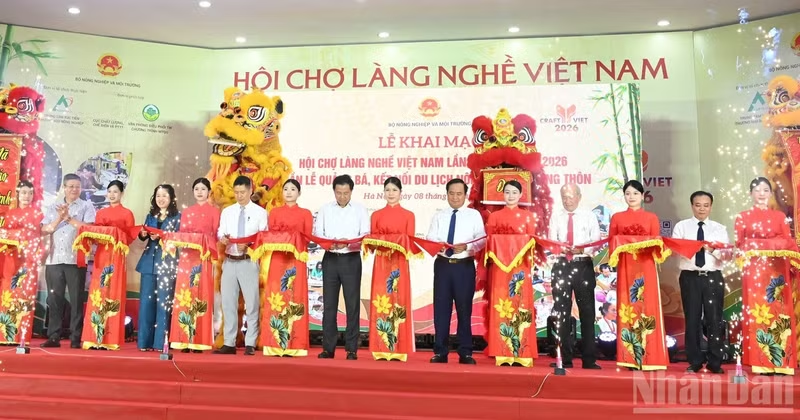
Speaking at the opening ceremony, Nguyen Minh Tien, Director of the Viet Nam Trade Promotion Centre for Agriculture under the Ministry of Agriculture and Environment, said the fair would create new market opportunities for products, foster business cooperation, and provide fresh impetus for those preserving and developing traditional crafts in rural areas.
According to Nguyen Minh Tien, craft villages are an integral part of Vietnamese life and culture. Over generations, local people have created products from familiar materials such as clay, bamboo, wood, and fibres, reflecting their experience and skills along with the distinctive characteristics of each region. The preservation of craft villages must go hand in hand with ensuring that craftspeople can earn a living from their work, secure a stable income, and pass their skills on to future generations.
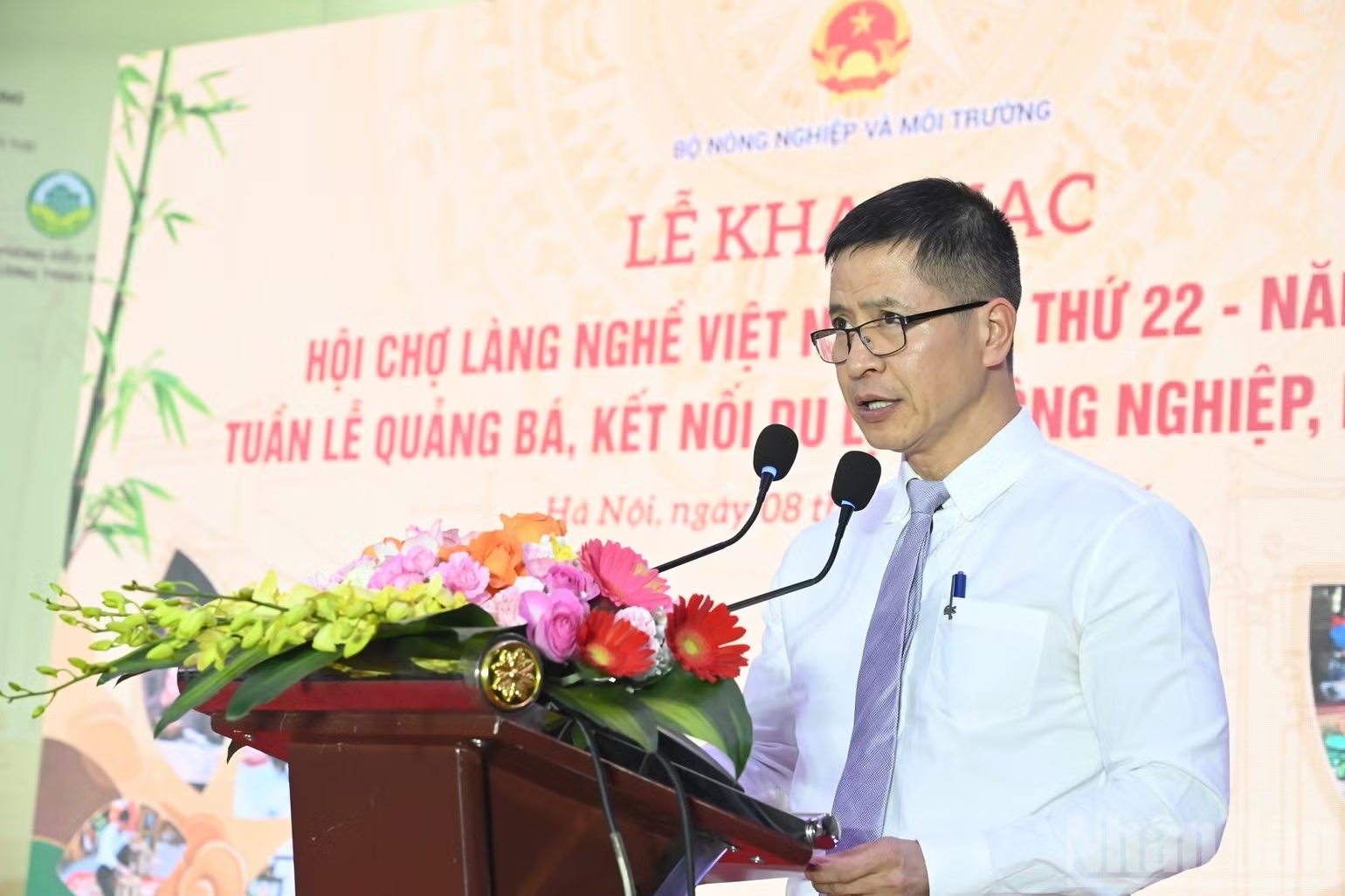
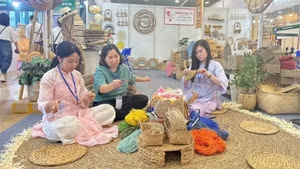
This year’s fair features 100 booths and a shared display and exhibition area, with more than 50 organisations from 19 provinces and cities. The products on display include a wide range of handicrafts, traditional craft village products, products certified under the One Commune One Product (OCOP) programme with ratings of three stars or higher, and distinctive products from different regions.
Trade promotion activities at the fair focus on connecting producers with distribution companies, supermarkets, and e-commerce platforms. These efforts combine in-person product showcases with livestream sales and QR codes providing information about products, manufacturers, and their origins.
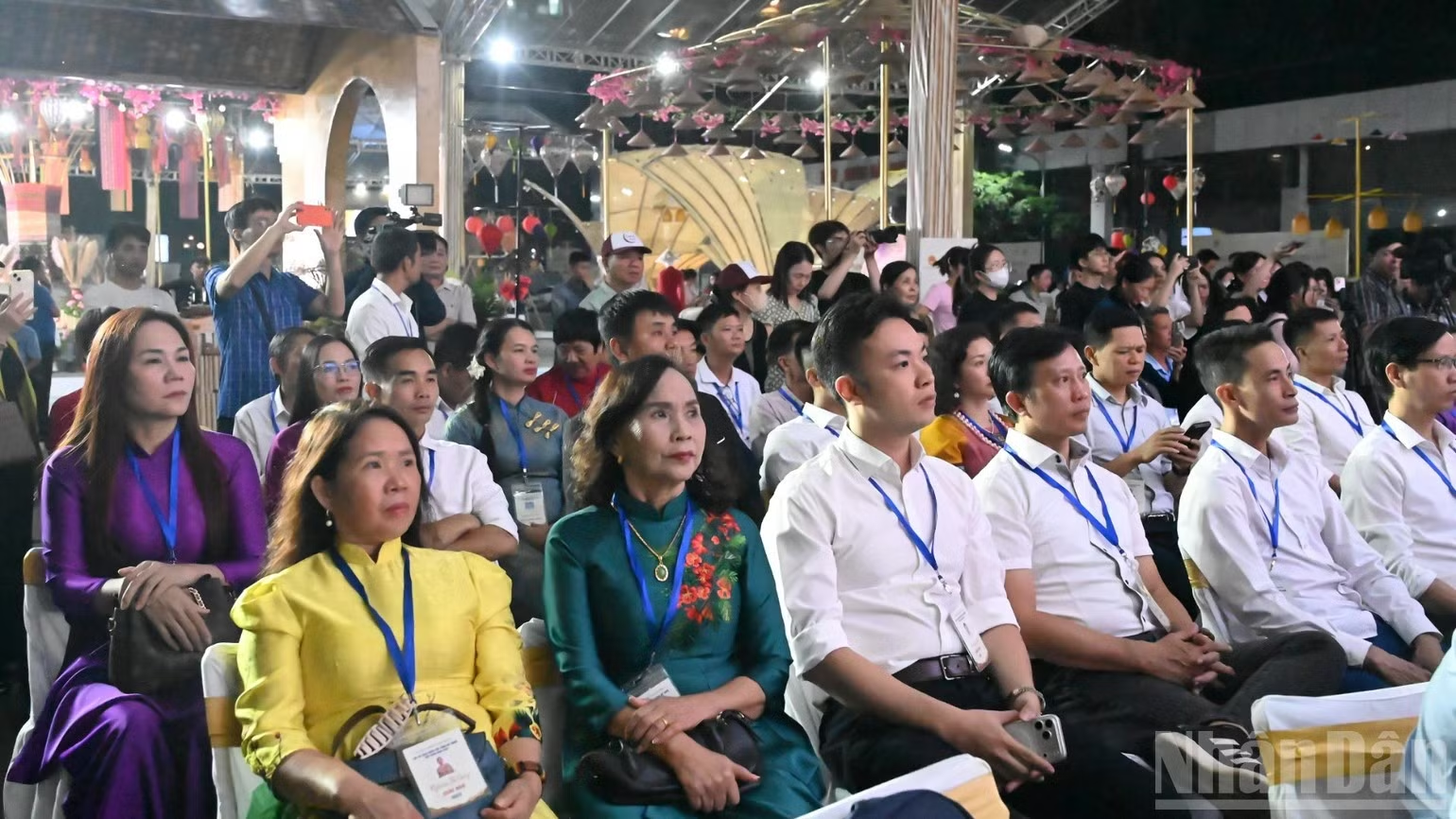
As part of the series of events accompanying the 22nd Viet Nam Craft Village Fair 2026, the 2026 Viet Nam Handicraft Product Competition is being held under the theme “The creative excellence of Vietnamese crafts: enhancing value and embracing integration.” The competition aims to honour and encourage the creativity of artisans, skilled craftspeople and designers, contributing to the preservation and promotion of craft villages’ cultural values while connecting their products with markets, tourism, and exports.
This is the sixth time the competition has been held nationwide. The organising committee received 453 entries from 256 individual and group entrants. Of these, 359 entries came from 203 entrants in the north, 58 entries from 32 entrants in the central region, and 36 entries from 21 entrants in the south.
The entries are divided into five categories: ceramics and glass; textiles, embroidery, weaving and crochet; rattan, bamboo and leaf products; stone and wooden handicrafts, lacquerware, and mother-of-pearl inlay; and other products, including those made from horn and metal, as well as floral products and paintings.
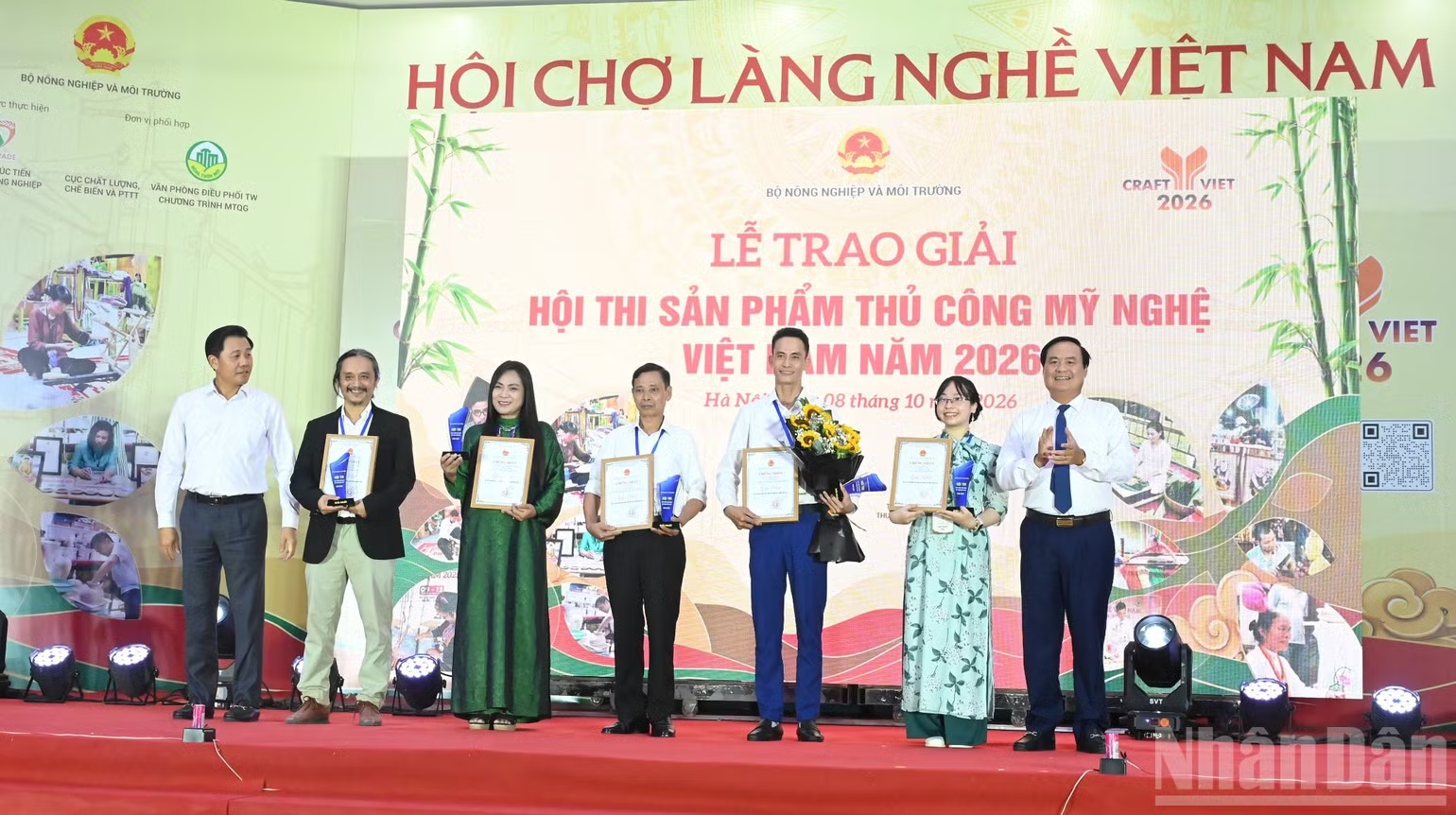
The organising committee presents first prizes to the five outstanding entries in the competition.
In addition, the organising committee also presented 10 second prizes, 15 third prizes, 25 consolation prizes, and several additional awards to entrants whose products demonstrated outstanding merit. Many of the award recipients came from traditional craft villages in Ha Noi.