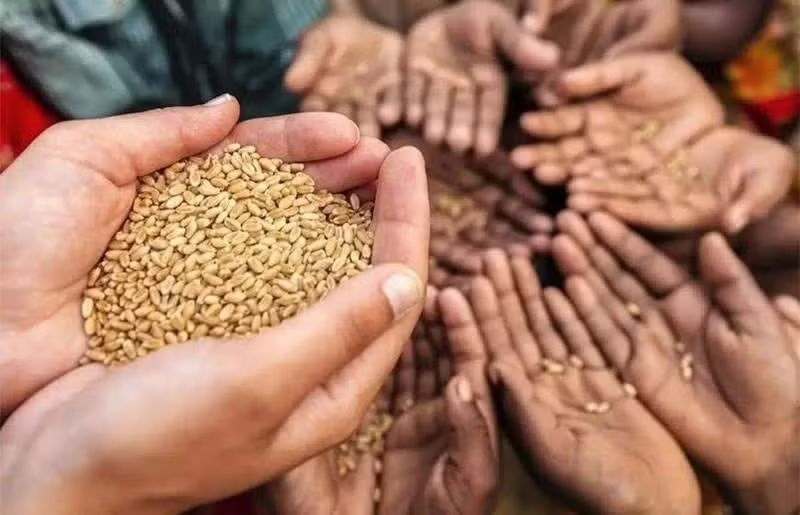
While humanitarian organisations are struggling under the “double pressure” of soaring relief demand and escalating transport, logistics and food supply costs, many regions around the world are being pushed to the brink of famine.
The war in the Middle East has become a dark cloud hanging over global food security, prompting officials from the World Food Programme (WFP) to admit that warnings once considered overly pessimistic earlier this year are gradually becoming reality.
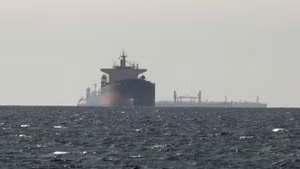
The prolonged conflict involving Israel, the US and Iran has not only shaken the Middle East but also created ripple effects across energy markets, food prices and global food security. The closure of the Strait of Hormuz has caused sharp increases in the prices of essential commodities such as rice and wheat, heightening the risk of growing poverty and hunger in many regions.
According to a warning issued by the WFP in March, if oil prices remain around 100 USD per barrel through the end of June, some 45 million people worldwide could fall into acute food insecurity. This figure would add to the nearly 320 million people already facing hunger and food shortages since the beginning of 2026.
What is particularly alarming is that the impact of the conflict is no longer confined to the Middle East, but is spreading to many vulnerable countries through rising fuel prices, soaring food costs and disruptions to international trade.
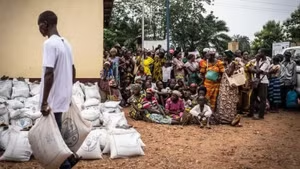
In Somalia, one of the countries constantly threatened by famine, around 6 million people are currently suffering severe food shortages. The country has become one of the world’s most concerning food security hotspots. Children under the age of five are among those hardest hit. By the end of this year, an additional 2.5 million people are expected to be unable to afford basic food supplies.
Against the backdrop of nearly three months of fighting and stalled US-Iran peace negotiations, the worst-case scenario is increasingly taking shape. Jean-Martin Bauer, Director of Food Security and Nutrition Analysis at the WFP, warned that the world is facing the risk of a renewed cost-of-living crisis similar to that of 2022, when global food and energy prices surged following the outbreak of the conflict in Ukraine.
The current situation is considered even more worrying, as the global humanitarian relief system has been significantly weakened after a series of cuts to international aid budgets. Due to financial constraints, the number of people receiving assistance in 2026 is expected to fall by around 1.5 million compared with the original plan. If the Middle East conflict continues for another six months, more than 9 million people could lose food assistance entirely.
The devastating conflict in the Middle East has triggered far-reaching global consequences. According to WFP experts, global food security could deteriorate even further if the fighting continues.
In addition to conflict, climate change and extreme weather events are placing enormous pressure on global efforts to ensure food security for next year. Forecasts indicate that the world may soon face the emergence of a strong El Niño event. This extreme weather phenomenon could trigger droughts, floods and agricultural disruption in many regions, potentially driving food prices to unprecedented levels.
The global system is facing pressures unlike anything seen before. Growing geopolitical divisions and cuts to development and humanitarian funding are major obstacles in the fight against global poverty. Without solutions to these pressing issues, the vicious cycle of conflict and poverty will continue. In light of this reality, there is an urgent need for solidarity, mutual support and collective action from all countries around the world.