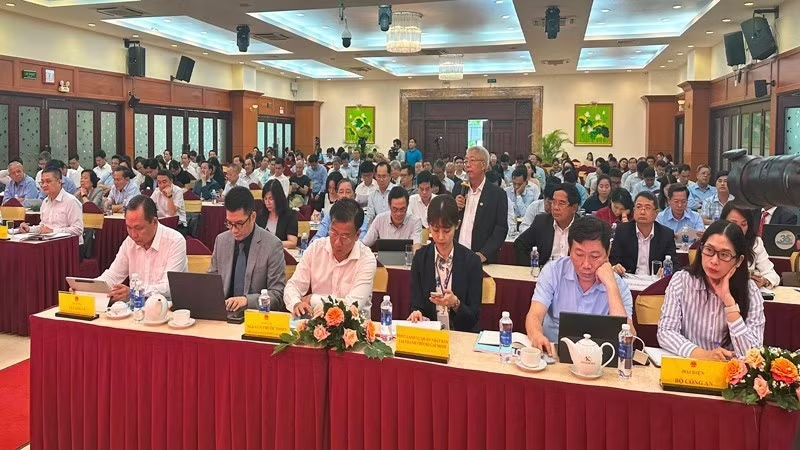
The conference was organised to implement the directives of Permanent Deputy Prime Minister Pham Gia Tuc delivered at the conference on promoting exports to achieve double-digit growth in 2026.
It also aimed to assess the opportunities, challenges and market developments affecting export activities during the final months of 2026, while proposing recommendations and practical solutions to address existing obstacles.
Opening the conference, Deputy Minister of Agriculture and Environment Nguyen Hoang Hiep said that the agricultural sector's GDP growth reached between 3.8% and 3.85% in the first six months of this year, exceeding the Government's target of 3.5%. Export turnover of agricultural, forestry and fishery products reached approximately 36 billion USD, up 6% year-on-year, reaffirming the sector's role as one of the key pillars of the economy. Several product groups, including fruit and vegetables, seafood, pepper, timber and wood products, maintained strong growth momentum.
However, Viet Nam's agricultural, forestry and fishery exports continue to face numerous challenges. Export turnover for several key commodities, including rice, coffee, rubber, and tea, declined due to a sharp fall in average export prices. In addition, major importing markets have imposed increasingly stringent requirements on product quality, traceability, emissions reduction, and green development.
At the conference, representatives of export industry associations highlighted a number of existing issues, including cumbersome administrative procedures, lengthy processing times, and bottlenecks in production, processing, logistics, trade promotion and access to credit. Many agricultural products still lack an integrated system linking growing areas, logistics, quarantine procedures, carbon certification, and customs procedures. Policies governing the development of farming areas and raw material production zones also remain affected by various shortcomings and implementation difficulties.
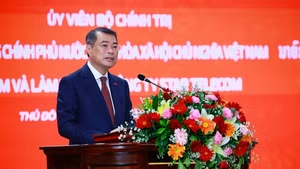
Concluding the conference, Trinh Viet Hung, Member of the Party Central Committee and Minister of Agriculture and Environment, called on industry associations and businesses to report difficulties, obstacles or negative practices affecting production and business activities.
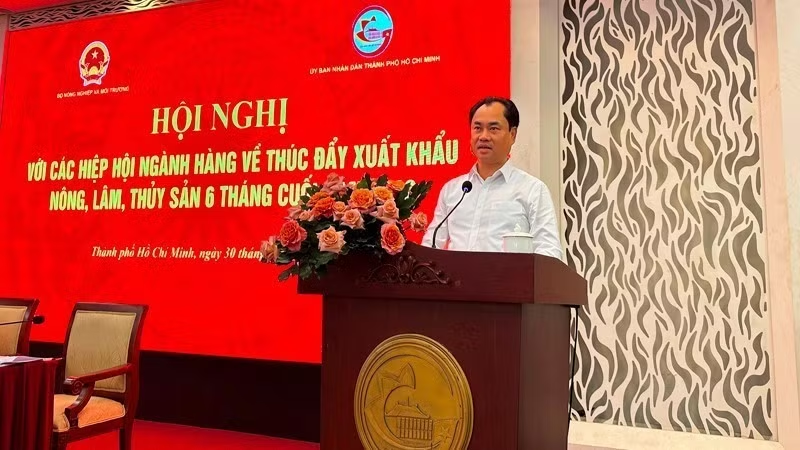
Minister Trinh Viet Hung urged local authorities to reorganise agricultural production in line with market demand and to take responsibility for product quality from the raw material production stage. They should strengthen the management of growing area codes, farming area codes and packing facilities, while tightening control over input materials, food safety, and product origin. Local authorities should also prepare contingency plans to respond to market fluctuations, minimising congestion, price suppression and supply chain disruptions during peak harvest seasons.
Industry associations and businesses were encouraged to take a leading role in strengthening value chain linkages and organising markets. They should improve market forecasting capabilities, regularly update information on market demand, prices, import policies and potential risks, and ensure that any recommendations submitted are supported by clear evidence and practical solutions.
In addition, businesses should establish long-term partnerships with cooperatives, pay greater attention to developing raw material areas, invest in deep processing and storage facilities, improve packaging and branding, strengthen risk management, maintain comprehensive traceability data, and diversify both export markets and payment methods. The Government will continue to support businesses by improving institutions, expanding market access and providing relevant market information.
According to the Ministry of Agriculture and Environment, to achieve the sector's target of at least 4% GDP growth and raising total agricultural, forestry and fishery export turnover to more than 74 billion USD in 2026, it will require close coordination among ministries, sectors, localities, industry associations, and the business community, as well as support from Vietnamese embassies and representative agencies in key export markets.
Minister Trinh Viet Hung said the ministry would establish a coordination and monitoring mechanism to oversee the implementation of growth targets and ensure that businesses' recommendations are fully addressed. He identified three priority areas requiring focused action: accessing and maintaining markets; reducing logistics costs; and strengthening the organisation of raw material production areas, quality control and product traceability. The ministry will continue to stand alongside industry associations and businesses in overcoming challenges and resolving difficulties.