The persistent tensions and instability seen across South Asia this year stem from long-standing contradictions that have accumulated over time and remain difficult to resolve.
Among the many upheavals shaking South Asia in 2025, tensions between India and Pakistan attracted the greatest attention. Relations between the two nuclear-armed neighbours are widely regarded as among the most complex and strained in the world, characterised by deep-rooted and enduring frictions. At the heart of these tensions lies the Kashmir dispute.
In the past, the two sides have experienced multiple conflicts linked to this contested territory. Terrorism has also been a major sticking point in bilateral relations. India accuses Pakistan of backing militant groups such as Lashkar-e-Taiba and Jaish-e-Mohammed, which have carried out deadly attacks in India. Pakistan, for its part, denies sponsoring terrorism.
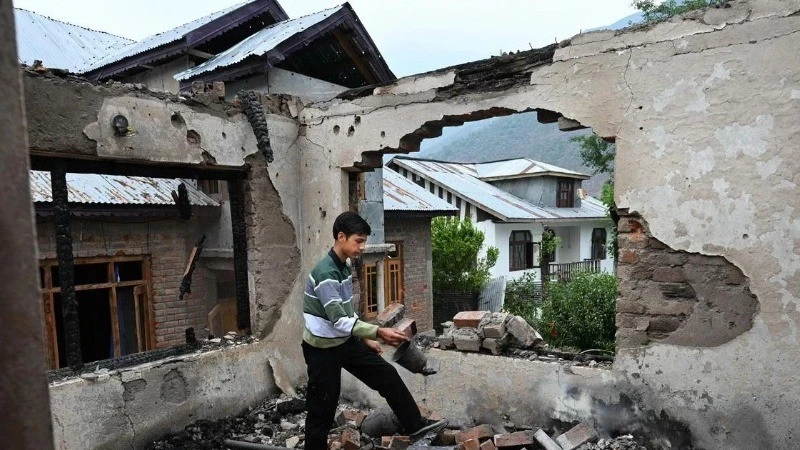
In May, a major confrontation erupted between the two South Asian countries following a shooting at a resort in Indian-administered Kashmir. The attack killed several tourists, most of them Indian nationals. Accusing Pakistan of being behind the incident, India launched strikes on facilities that New Delhi described as “terrorist camps” inside Pakistani territory. Pakistan responded with raids targeting Indian military facilities. Hardline rhetoric from both sides, coupled with a series of military exercises intended to display strength, pushed New Delhi and Islamabad to the brink of a large-scale war — something that has occurred in the past.
However, under pressure from the international community, tensions between the two countries quickly de-escalated. Lessons drawn from previous confrontations are believed to have prompted both sides to bring the standoff to an early end rather than slide into a prolonged and costly conflict. Yet a swift de-escalation does not equate to lasting stability. The fundamental and deep-seated disagreements between India and Pakistan remain unresolved, leaving peace fragile and latent flashpoints that could reignite future crises.
The year 2025 also witnessed waves of political instability in Nepal and Bangladesh. Youth-led protest movements in both countries reflected demands for economic and institutional reform. In Nepal, a ban on social media triggered large-scale demonstrations that escalated into violent clashes. In Bangladesh, following last year’s student-led protests that toppled former Prime Minister Sheikh Hasina, serious violence flared again in late December 2025 after the death of a student movement leader. Political turmoil across several South Asian countries underscores that state legitimacy is derived not only from electoral outcomes, but more fundamentally from tangible improvements in people’s lives.
Strategic competition among major powers has further affected the region’s security and economy. Political crises in South Asia reflect an intertwined picture of domestic instability and intense geopolitical rivalry. US tariff policies, in particular, have had significant impacts on Asia as a whole and on South Asia in particular.
South Asia closed out 2025 with embers of instability still smouldering, capable of flaring up at any moment. Diplomatic efforts by external major powers are necessary to help defuse tense stand-offs and political crises, but such efforts are invariably tied to strategic interests. Ultimately, it is vital for countries in the region to take the initiative in resolving their differences through dialogue, in order to avoid being dragged backwards on the path of development by conflict and violence.